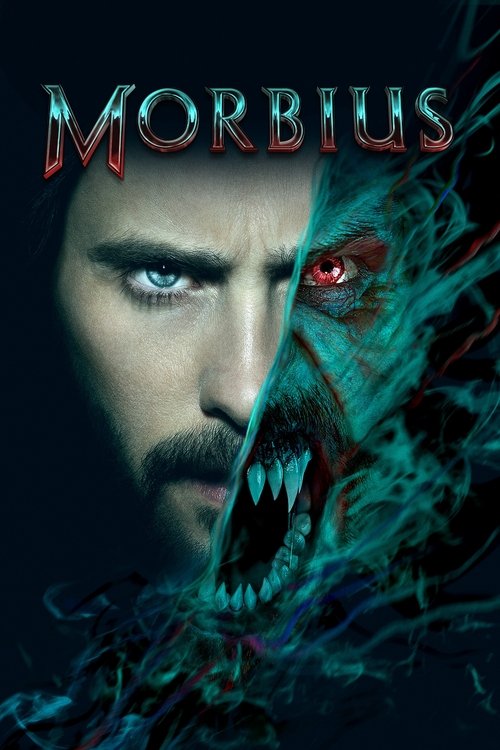
Morbius - Review
Morbius: A Bleak Bite Out of Potential
The anticipation surrounding "Morbius," the 2022 Sony/Marvel collaboration, was palpable. A lesser-known character from the Spider-Man comics finally getting his own big-screen treatment, portrayed by the charismatic Jared Leto, promised a dark and intriguing exploration of scientific ambition gone awry. The trailers hinted at a gothic horror vibe, a departure from the typical superhero fare, and a potential bridge between Sony's Spider-Man Universe (SSU) and the broader Marvel Cinematic Universe (MCU). However, the reality, as often happens with hyped projects, fell short of expectations. "Morbius" is a film riddled with missed opportunities, a narrative that feels both rushed and underdeveloped, and a visual style that, while occasionally striking, ultimately lacks cohesion. It's not a complete disaster, but it's a deeply disappointing entry into the superhero genre that leaves you feeling more drained than thrilled.
Plot: A Promising Premise, Poorly Executed
The core concept of "Morbius" is undeniably compelling. Dr. Michael Morbius, a brilliant but tragically afflicted scientist, is determined to cure himself and others suffering from a rare and debilitating blood disorder. His relentless pursuit leads him down a dangerous path, experimenting with bat DNA in a desperate attempt to find a cure. This gamble, as the synopsis suggests, yields a transformative result: Morbius gains superhuman strength, speed, and echolocation abilities, but at the cost of an insatiable thirst for blood. This internal conflict – the brilliant doctor wrestling with the monstrous creature he has become – is ripe with dramatic potential.
Unfortunately, the execution of this premise is where "Morbius" falters. The film rushes through crucial plot points, sacrificing character development and emotional resonance for the sake of pacing. The scientific jargon, while intended to lend credibility to Morbius's research, often feels forced and confusing, serving more as a distraction than an explanation. The transformation sequence, which should be a pivotal moment, lacks the necessary visual impact and emotional weight. We see the physical changes, but we don't truly feel the psychological toll it takes on Morbius.
The narrative also suffers from a predictable and uninspired villain arc. Morbius's childhood friend, Lucien (Milo), also afflicted with the same blood disorder, undergoes the same transformation. However, unlike Morbius, Milo embraces his newfound powers and revels in the violence, becoming a direct foil to Morbius's struggle for control. This dynamic, while conceptually sound, is executed in a clichéd manner, lacking the nuance and complexity that could have elevated it beyond a simple good-versus-evil showdown. The motivations of both characters feel thin and underdeveloped, making it difficult to invest in their conflict.
Furthermore, the film's reliance on convenient plot devices and unexplained occurrences undermines its credibility. Key plot points feel rushed and illogical, leaving the audience questioning the characters' decisions and the overall coherence of the narrative. The ending, in particular, feels abrupt and unsatisfying, setting up potential sequels without adequately resolving the central conflict.
Characters: Leto's Effort Overshadowed by Weak Writing
Jared Leto's performance as Dr. Michael Morbius is arguably the film's strongest asset. He commits fully to the role, embodying the character's physical frailty, intellectual brilliance, and internal torment. Leto effectively portrays Morbius's initial desperation to find a cure, his awe at his newfound abilities, and his growing horror at the monstrous consequences. His physical transformation, aided by visual effects, is convincing, and he manages to convey the character's inner struggle with a degree of sincerity.
However, even Leto's dedication cannot overcome the limitations of the script. Morbius is ultimately a poorly defined character, lacking the depth and complexity that would make him truly compelling. His motivations are clear, but his internal conflicts are not explored with sufficient nuance. We see him grapple with his thirst for blood, but we don't fully understand the psychological toll it takes on him. His relationships with other characters feel underdeveloped, further hindering his character development.
Matt Smith, as Lucien (Milo), delivers a charismatic performance, but his character is equally hampered by weak writing. Milo's descent into villainy feels rushed and unconvincing, lacking the necessary emotional foundation. His motivations are simplistic and his actions often feel arbitrary. Smith does his best with the material he's given, injecting a playful energy into the role, but ultimately, Milo remains a one-dimensional antagonist.
Adria Arjona, as Dr. Martine Bancroft, serves as Morbius's colleague and love interest. However, her character is relegated to a supporting role, lacking agency and depth. Her relationship with Morbius feels forced and unconvincing, lacking the necessary chemistry and emotional investment. Jared Harris, as Morbius's mentor, provides a solid performance, but his character is ultimately underdeveloped and underutilized.
The supporting cast, including Tyrese Gibson and Al Madrigal as FBI agents, adds little to the overall narrative. Their characters are primarily used for exposition and comic relief, but their presence feels largely unnecessary and distracting. Their investigation into Morbius's activities lacks urgency and intrigue, failing to generate any real suspense.
Direction and Cinematography: A Visual Muddle
Daniel Espinosa's direction is uneven, struggling to establish a consistent tone and visual style. The film attempts to blend elements of gothic horror, science fiction, and superhero action, but the result is a muddled and disjointed experience. The pacing is erratic, with key plot points rushed through while other scenes linger unnecessarily. The action sequences, while visually impressive at times, lack coherence and impact. The use of slow-motion and visual effects is often excessive, detracting from the overall sense of realism.
The cinematography, while occasionally striking, suffers from a lack of focus and consistency. The film utilizes a dark and gritty color palette, which is appropriate for the subject matter, but it often feels overly muted and lacking in vibrancy. The use of shadows and lighting is inconsistent, failing to create a truly atmospheric or suspenseful mood. Some scenes are visually striking, particularly those depicting Morbius's transformation and his use of echolocation, but these moments are few and far between.
The visual effects, while generally well-executed, are not always seamlessly integrated into the film. Some of the CGI shots appear artificial and unconvincing, detracting from the overall sense of realism. The depiction of Morbius's bat-like abilities is visually interesting, but it often feels exaggerated and cartoonish. The film's visual style ultimately lacks cohesion and originality, failing to establish a distinct identity for the character and his world.
Themes and Messages: Superficial Exploration of Morality and Responsibility
"Morbius" attempts to explore themes of morality, responsibility, and the consequences of scientific ambition. The film raises questions about the ethics of genetic experimentation and the potential dangers of playing God. Morbius's internal conflict – his desire to cure disease versus his struggle to control his monstrous urges – highlights the complexities of scientific progress and the potential for unintended consequences.
However, the film's exploration of these themes is superficial and underdeveloped. The moral dilemmas are presented in a simplistic and heavy-handed manner, lacking the nuance and complexity that would make them truly thought-provoking. Morbius's struggle for control is depicted through generic scenes of him resisting his thirst for blood, but we don't truly understand the psychological or emotional toll it takes on him. The film ultimately fails to delve into the deeper ethical and philosophical questions raised by its premise.
The film also touches on the theme of responsibility, highlighting the importance of taking ownership of one's actions and their consequences. Morbius's decision to experiment on himself has far-reaching implications, not only for himself but also for those around him. He is forced to confront the consequences of his actions and to grapple with the responsibility of containing the monster he has unleashed. However, this theme is also underdeveloped, lacking the necessary emotional weight and dramatic impact.
Ultimately, "Morbius" offers a shallow and uninspired exploration of its themes, failing to deliver a meaningful or thought-provoking message. The film prioritizes spectacle and action over substance, sacrificing thematic depth for the sake of entertainment.
Comparison to Other Films: Falling Short of Expectations
Given its premise and character, "Morbius" inevitably draws comparisons to other superhero films that explore similar themes. Films like "Blade," "Venom," and even "Spider-Man 2" (with Doc Ock's struggle) immediately spring to mind. "Blade," in particular, shares a similar gothic horror aesthetic and features a protagonist who is both a hero and a monster. However, "Morbius" falls short of these comparisons, lacking the stylistic flair, compelling characters, and thematic depth that made those films successful.
"Venom," another Sony/Marvel collaboration, provides a particularly relevant comparison. Both films feature a morally ambiguous protagonist who is bonded to a supernatural entity. However, "Venom" succeeded in part due to its self-aware humor and its focus on the relationship between Eddie Brock and the Venom symbiote. "Morbius," in contrast, takes itself too seriously and fails to develop a compelling dynamic between Morbius and his vampiric powers.
Compared to previous works by director Daniel Espinosa, "Morbius" represents a significant step down. Espinosa's earlier films, such as "Safe House" and "Life," demonstrated a knack for suspenseful storytelling and compelling character development. However, "Morbius" lacks the tension and emotional resonance of his previous work, suggesting that he may have been constrained by studio interference or a weak script.
Similarly, Jared Leto's performance in "Morbius" pales in comparison to some of his previous roles. While he commits fully to the character, he is ultimately limited by the weak writing and the underdeveloped nature of the role. His performance lacks the depth and complexity that he has demonstrated in other films, such as "Dallas Buyers Club" and "Requiem for a Dream."
Positive Aspects: Glimmers of Potential
Despite its numerous flaws, "Morbius" is not entirely devoid of merit. Jared Leto's performance, as mentioned earlier, is a standout, and he manages to inject some much-needed energy and charisma into the role. The visual effects, while inconsistent, are occasionally impressive, particularly in the scenes depicting Morbius's transformation and his use of echolocation. The film's gothic horror aesthetic, while not fully realized, offers a refreshing departure from the typical superhero fare.
The film also shows glimpses of potential in its exploration of Morbius's internal conflict and his struggle to control his monstrous urges. These moments, while fleeting, hint at the deeper thematic potential of the character and his story. The film's premise, while poorly executed, remains intriguing and offers a fertile ground for future exploration.
The score, composed by Jon Ekstrand, is generally effective, creating a suitably dark and atmospheric mood. The music complements the visuals and enhances the overall sense of tension and suspense.
Constructive Criticism: A Laundry List of Missed Opportunities
The primary flaw of "Morbius" is its weak and underdeveloped script. The plot is rushed, the characters are poorly defined, and the dialogue is often clunky and uninspired. The film suffers from a lack of focus, attempting to juggle too many plot points and themes without adequately developing any of them.
The film's pacing is erratic, with key plot points rushed through while other scenes linger unnecessarily. The action sequences, while visually impressive at times, lack coherence and impact. The use of slow-motion and visual effects is often excessive, detracting from the overall sense of realism.
The supporting cast is largely underutilized, with characters serving primarily as exposition dumps or comic relief. Their presence feels largely unnecessary and distracting, adding little to the overall narrative.
The film's exploration of its themes is superficial and underdeveloped, failing to deliver a meaningful or thought-provoking message. The moral dilemmas are presented in a simplistic and heavy-handed manner, lacking the nuance and complexity that would make them truly compelling.
The film's attempts to connect to the broader SSU/MCU feel forced and contrived, adding little to the overall narrative and ultimately undermining the film's credibility.
Conclusion: A Disappointing Bite
"Morbius" is a disappointing entry into the superhero genre, plagued by a weak script, uneven direction, and underdeveloped characters. While Jared Leto delivers a committed performance, he is ultimately limited by the film's numerous flaws. The film's gothic horror aesthetic and its exploration of moral ambiguity offer glimpses of potential, but these are ultimately overshadowed by its shortcomings. "Morbius" feels like a missed opportunity, a film that could have been so much more but ultimately fails to live up to its promise. It's a bleak bite, leaving a lingering taste of disappointment.
Rating: 4/10