Five Nights at Freddy's - Review
Five Nights at Freddy's: A Nostalgic Nightmare (and a Few Loose Wires)
The animatronic horrors of Freddy Fazbear's Pizzeria have haunted the imaginations of gamers for nearly a decade. The anticipation surrounding the film adaptation of "Five Nights at Freddy's" (FNAF) was palpable, fueled by years of fan theories, jump scares, and a deep-seated love for the lore. Did the movie, released on October 25, 2023, live up to the hype? The answer, much like the animatronics themselves, is a complex and multi-layered one. While the film succeeds in capturing the eerie atmosphere and nostalgic appeal of the games, it stumbles in certain areas, particularly its pacing and narrative clarity. This review will delve into the depths of Freddy Fazbear's, examining the plot, characters, direction, cinematography, performances, and themes to determine if this adaptation is a triumphant return or a cautionary tale.
Plot: A Slow Burn with a Few Burnout Spots
The film centers around Mike Schmidt (Josh Hutcherson), a troubled young man burdened with the responsibility of caring for his younger sister, Abby (Piper Rubio). Haunted by the unsolved disappearance of his younger brother many years ago, Mike is desperate to maintain custody of Abby and avoid the clutches of a predatory social worker. In a bid to prove his responsibility, he takes a job as a night security guard at the abandoned Freddy Fazbear's Pizzeria, a relic of a bygone era.
Initially, the nights are quiet, filled only with the creaks of the old building and Mike's own anxieties. However, things take a sinister turn as Mike begins to experience vivid dreams connected to the pizzeria's past. These dreams, fueled by the animatronics, offer glimpses into the fate of the children who disappeared within Freddy Fazbear's walls. As Mike delves deeper into the pizzeria's secrets, he discovers that the animatronics – Freddy Fazbear, Bonnie the Bunny, Chica the Chicken, and Foxy the Pirate Fox – are more than just rusty robots; they are possessed by the spirits of those missing children.
The plot's primary strength lies in its slow-burn approach. The film gradually builds suspense, allowing the audience to soak in the atmosphere of the dilapidated pizzeria. The initial nights are filled with subtle hints and unsettling occurrences, creating a sense of unease that effectively mirrors the experience of playing the original game. However, this slow burn also becomes a weakness. The pacing can feel uneven, with long stretches of exposition and dream sequences that, while visually interesting, sometimes detract from the immediate threat posed by the animatronics. The dream sequences, while crucial to understanding Mike's backstory and the pizzeria's history, occasionally feel repetitive and could have been more tightly integrated into the main narrative.
Furthermore, the plot suffers from some narrative inconsistencies and unanswered questions. While the film provides a general explanation for the animatronics' malevolence, certain details about their origins and motivations remain vague. The ending, while emotionally resonant, feels somewhat rushed and leaves some plot threads unresolved, potentially setting the stage for sequels but ultimately leaving the audience with a sense of incompleteness.
Characters: More Than Metal and Motors
Mike Schmidt (Josh Hutcherson): Hutcherson delivers a compelling performance as Mike, portraying him as a flawed and vulnerable character struggling with guilt and responsibility. He effectively conveys Mike's desperation to care for Abby and his inner turmoil stemming from his brother's disappearance. While Mike's motivations are clear, his character development feels somewhat limited. He remains largely reactive throughout the film, driven by external forces rather than actively shaping his own destiny.
Abby Schmidt (Piper Rubio): Rubio shines as Abby, bringing a sense of childlike innocence and wonder to the otherwise dark and unsettling atmosphere. Abby's connection to the animatronics is a crucial element of the plot, and Rubio portrays this connection with a believable mix of fear and fascination. She adds a much-needed layer of heart to the film and serves as a constant reminder of the stakes involved.
Vanessa Shelley (Elizabeth Lail): Lail's portrayal of Vanessa, a local police officer with a mysterious connection to Freddy Fazbear's, is one of the film's highlights. She provides valuable exposition and acts as a guide for Mike, helping him unravel the pizzeria's secrets. However, Vanessa's own backstory and motivations are not fully explored, leaving her character feeling somewhat underdeveloped. The film hints at a deeper connection to the events at Freddy's, but this is only briefly touched upon.
William Afton/Springtrap (Matthew Lillard): Lillard's performance as William Afton, the sinister mastermind behind the pizzeria's dark history, is a standout. He embodies the character's manipulative and psychopathic nature with chilling precision. While his screen time is limited, Lillard makes a lasting impression, leaving the audience with a sense of dread and anticipation for his inevitable return. His portrayal is faithful to the character's depiction in the games, capturing his cunning and depravity.
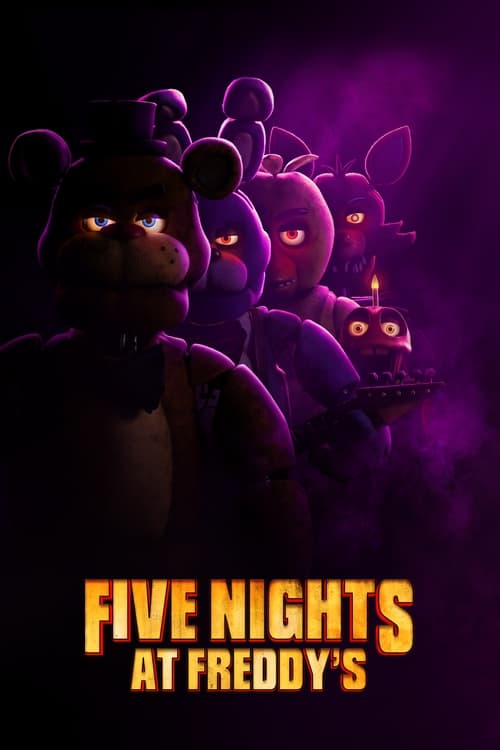
The Animatronics (Freddy Fazbear, Bonnie the Bunny, Chica the Chicken, Foxy the Pirate Fox): The animatronics themselves are characters in their own right, brought to life through a combination of practical effects and CGI. They are visually impressive and genuinely creepy, capturing the uncanny valley effect that made them so iconic in the games. Their movements are unsettling, and their expressions are both menacing and strangely childlike. However, their personalities are not fully developed, leaving them feeling more like menacing props than fully realized characters. The film could have benefited from exploring their individual characteristics and motivations more deeply.
Direction: Blending Nostalgia with Horror
Emma Tammi's direction is a mixed bag. She excels at creating a visually striking and atmospheric film, capturing the dilapidated beauty and inherent creepiness of Freddy Fazbear's Pizzeria. The set design is impeccable, faithfully recreating the iconic locations from the games. The use of lighting and shadows is particularly effective, creating a sense of unease and dread. Tammi also does a commendable job of balancing the horror elements with moments of levity and emotional connection, particularly in the scenes between Mike and Abby.
However, Tammi's direction falters in certain areas. The pacing of the film is uneven, and the narrative can feel disjointed at times. The dream sequences, while visually interesting, often disrupt the flow of the story. The film also relies too heavily on exposition, rather than showing the audience the events unfolding. This can make the storytelling feel somewhat passive and less engaging.
Furthermore, the film's PG-13 rating limits the level of gore and violence, which may disappoint some fans of the games. While the film effectively builds suspense and creates a sense of dread, it lacks the visceral horror that made the games so terrifying. This decision likely aimed to broaden the film's appeal to a wider audience, but it also sacrifices some of the core elements that made FNAF so popular.
Cinematography: A Visual Feast of Fear
The cinematography, helmed by Lyn Moncrief, is one of the film's strongest assets. Moncrief masterfully uses light and shadow to create a visually stunning and unsettling atmosphere. The camera angles are often unconventional, adding to the sense of unease and disorientation. The use of wide shots effectively captures the scale of the pizzeria, while close-ups emphasize the details of the animatronics' menacing features.
The color palette is predominantly dark and muted, reflecting the dilapidated state of the pizzeria and the darkness of its past. However, Moncrief also uses pops of vibrant color, particularly in the dream sequences, to create a sense of surrealism and unreality. The use of visual effects is seamless, blending seamlessly with the practical effects to create a believable and terrifying world.
The cinematography effectively enhances the film's themes of isolation, guilt, and the corrupting influence of the past. The visuals are both beautiful and disturbing, creating a truly immersive and unforgettable cinematic experience.
Performances: A Cast That Delivers (Mostly)
As mentioned earlier, Josh Hutcherson delivers a solid performance as Mike Schmidt, conveying his character's inner turmoil and desperation. Piper Rubio shines as Abby, bringing a sense of innocence and wonder to the film. Elizabeth Lail is compelling as Vanessa Shelley, but her character's potential is ultimately underutilized. Matthew Lillard steals the show as William Afton, embodying the character's sinister nature with chilling precision.
However, some of the supporting performances are less memorable. The actors playing the social worker and Mike's aunt feel somewhat generic and lack depth. The child actors who portray the spirits of the missing children are effective in their roles, but their screen time is limited.
Overall, the cast delivers a competent performance, but the film relies heavily on the strength of its lead actors. Hutcherson, Rubio, Lail, and Lillard are the standouts, carrying the film through its weaker moments.
Themes and Messages: More Than Just Jump Scares
Beyond the jump scares and animatronic horrors, "Five Nights at Freddy's" explores several compelling themes. The film delves into the trauma of loss and the burden of guilt, as Mike struggles to cope with the disappearance of his brother. It also examines the importance of family and the lengths to which people will go to protect those they love. Abby serves as Mike's anchor, providing him with a sense of purpose and reminding him of the importance of his responsibilities.
The film also touches upon the dangers of obsession and the corrupting influence of power. William Afton's obsession with immortality and control leads him down a dark path, ultimately transforming him into a monster. The film serves as a cautionary tale about the consequences of unchecked ambition and the importance of ethical behavior.
Furthermore, "Five Nights at Freddy's" explores the themes of memory and the past. The pizzeria serves as a physical manifestation of the past, haunted by the spirits of the children who disappeared within its walls. The film suggests that the past can never truly be forgotten and that its echoes can continue to reverberate through the present.
Comparisons: Standing on the Shoulders of Animatronic Giants
"Five Nights at Freddy's" inevitably draws comparisons to other horror films, particularly those featuring haunted locations and possessed objects. Films like "Poltergeist," "The Shining," and "The Babadook" all explore similar themes of trauma, loss, and the supernatural. However, "Five Nights at Freddy's" distinguishes itself through its unique setting and its focus on animatronic horrors. The film also draws inspiration from the slasher genre, with its masked villain and its emphasis on suspense and jump scares.
In terms of previous works by Emma Tammi, "Five Nights at Freddy's" represents a significant step up in scale and budget. Her previous films were smaller, independent projects, while "Five Nights at Freddy's" is a major studio production with a large fanbase and high expectations. Tammi's direction demonstrates her ability to handle a larger project, but also reveals some of her limitations in terms of pacing and narrative clarity.
Matthew Lillard's performance as William Afton is reminiscent of his previous roles in films like "Scream" and "Scooby-Doo," where he played quirky and eccentric characters with a dark side. However, his portrayal of Afton is arguably his most chilling and memorable performance to date.
Positive Aspects: A Feast for FNAF Fans
The film excels in several key areas:
- Atmosphere and Visuals: The film's atmosphere is genuinely creepy and unsettling, faithfully recreating the iconic locations from the games. The cinematography is stunning, and the visual effects are seamless.
- Faithful Adaptation: The film stays true to the core elements of the FNAF lore, satisfying longtime fans of the franchise. The animatronics are visually impressive and genuinely terrifying.
- Performances: Josh Hutcherson, Piper Rubio, Elizabeth Lail, and Matthew Lillard deliver strong performances, bringing their characters to life with depth and emotion.
- Nostalgia Factor: The film is a nostalgic trip for fans of the games, filled with Easter eggs and references to the FNAF universe.
Constructive Criticism: Room for Improvement
Despite its strengths, the film also has some weaknesses:
- Pacing: The pacing is uneven, with long stretches of exposition and dream sequences that detract from the immediate threat posed by the animatronics.
- Narrative Clarity: The plot suffers from some narrative inconsistencies and unanswered questions. The ending feels rushed and leaves some plot threads unresolved.
- PG-13 Rating: The PG-13 rating limits the level of gore and violence, which may disappoint some fans of the games.
- Character Development: Some of the supporting characters are underdeveloped, and the animatronics' personalities are not fully explored.
Conclusion: A Flawed but Fun Fright Fest
"Five Nights at Freddy's" is a flawed but ultimately enjoyable adaptation of the popular video game franchise. While the film suffers from pacing issues, narrative inconsistencies, and a lack of visceral horror, it succeeds in capturing the eerie atmosphere and nostalgic appeal of the games. The performances are strong, the visuals are stunning, and the film is filled with Easter eggs and references that will delight longtime fans. While it may not be a perfect horror film, "Five Nights at Freddy's" is a fun and entertaining ride that will leave you looking over your shoulder long after the credits roll.
Rating: 7/10