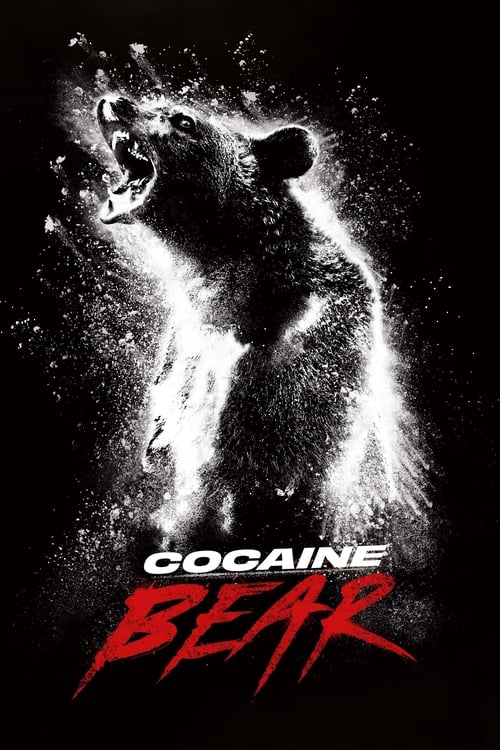
Cocaine Bear - Review
Cocaine Bear: A Hilariously Bloody Rampage Through the Georgia Woods
Elizabeth Banks's Cocaine Bear, a film that sounds like it was conceived during a particularly inspired late-night brainstorming session, roars onto the screen with a singular, unapologetic purpose: to deliver a wildly entertaining, blood-soaked, and utterly absurd cinematic experience. Inspired by the real-life tale of a black bear that ingested a duffel bag full of cocaine in 1985, Banks takes this bizarre premise and runs with it, creating a darkly comedic thriller that's as unpredictable as it is unforgettable. While it might not be high art, Cocaine Bear knows exactly what it is – a gloriously over-the-top creature feature that revels in its own absurdity. Is it a masterpiece? No. Is it a hell of a lot of fun? Absolutely.
Plot: A Tangled Web of Cocaine, Chaos, and Carnage
The plot of Cocaine Bear, while seemingly straightforward on the surface, quickly unravels into a tangled web of interconnected storylines. The film opens with Andrew C. Thornton II (Matthew Rhys), a Kentucky narcotics officer turned drug smuggler, dumping duffel bags full of cocaine out of a plane over the Chattahoochee National Forest in Georgia. A few bags, however, don't quite make it to their intended recipient. One of these bags is discovered and devoured by a 500-pound black bear, setting the stage for the film's central conflict.
Meanwhile, a grieving single mother, Sari (Keri Russell), embarks on a frantic search for her truant daughter, Dee Dee (Brooklynn Prince), and Dee Dee's best friend, Henry (Christian Convery), who have wandered into the forest to paint a mural. Their innocent adventure quickly turns perilous as they become unwitting participants in the bear's coke-fueled rampage.
Adding to the chaos are Daveed (O'Shea Jackson Jr.) and Eddie (Alden Ehrenreich), two low-level drug dealers tasked by their ruthless kingpin father, Syd White (Ray Liotta, in one of his final roles), with retrieving the missing cocaine. Their mission brings them into direct conflict with the increasingly erratic bear and a pair of bumbling local cops, Bob (Isiah Whitlock Jr.) and Reba (Ayoola Smart), who are investigating the mysterious circumstances surrounding the missing drugs.
The film's narrative strength lies in its ability to juggle these multiple storylines without losing momentum. Each character arc, however brief, contributes to the overall sense of escalating absurdity and escalating body count. The plot, while undeniably ludicrous, is surprisingly well-paced, keeping the audience engaged with a steady stream of action, humor, and gore.
Characters: A Motley Crew of the Unfortunate and the Unsuspecting
Cocaine Bear boasts a diverse cast of characters, each with their own unique motivations and quirks. Sari, played with a palpable sense of maternal desperation by Keri Russell, is the film's emotional anchor. Her unwavering determination to find her daughter provides a much-needed human element amidst the escalating carnage. Dee Dee and Henry, the two young children, are surprisingly resilient and resourceful, adding a touch of youthful innocence to the otherwise grim proceedings.
O'Shea Jackson Jr. and Alden Ehrenreich deliver standout performances as Daveed and Eddie, respectively. Their comedic timing and contrasting personalities – Daveed being the more pragmatic and street-smart of the two, while Eddie is a perpetually anxious and love-sick individual – create a dynamic that is both hilarious and surprisingly endearing. Ray Liotta, in his final role, embodies the ruthless and intimidating nature of Syd White, adding a layer of gravitas to the film's otherwise lighthearted tone.
The supporting cast, including Isiah Whitlock Jr. as the jaded cop Bob and Ayoola Smart as the enthusiastic park ranger Reba, further enriches the film's ensemble. While some characters are admittedly more archetypal than others, each actor brings a distinct energy to their role, contributing to the overall sense of chaotic fun.
Of course, the star of the show is undoubtedly the Cocaine Bear herself. Brought to life through a combination of CGI and practical effects, the bear is both terrifying and strangely sympathetic. The filmmakers manage to imbue the creature with a surprising amount of personality, making her more than just a mindless killing machine. Her actions, while undeniably violent, are often played for laughs, creating a darkly comedic effect that is both shocking and hilarious.
Direction: Elizabeth Banks's Unapologetic Vision
Elizabeth Banks's direction is one of the film's greatest strengths. She embraces the inherent absurdity of the premise with a bold and unapologetic vision, creating a film that is both visually stunning and tonally consistent. Banks expertly balances the film's comedic and horror elements, never allowing one to overshadow the other. She understands that the key to making a film like Cocaine Bear work is to commit fully to the ridiculousness of the situation, and she does so with impressive skill and confidence.
Banks's use of practical effects and gore is particularly noteworthy. The film doesn't shy away from depicting the bear's violent rampage in graphic detail, but it does so with a sense of dark humor that prevents it from becoming overly disturbing. The gore is often exaggerated and cartoonish, adding to the film's overall sense of heightened reality. The bear attack sequences are expertly choreographed and visually striking, showcasing Banks's talent for action direction.
Furthermore, Banks demonstrates a keen understanding of comedic timing. The film is filled with well-placed jokes and sight gags that land perfectly, eliciting genuine laughter from the audience. She also allows her actors to improvise and play with their roles, resulting in some truly memorable and hilarious moments.
Cinematography: Capturing the Beauty and the Brutality
The cinematography, helmed by John Guleserian, is another highlight of Cocaine Bear. Guleserian captures the beauty and the brutality of the Georgia forest with equal skill. The film's visuals are lush and vibrant, showcasing the natural splendor of the wilderness. However, Guleserian also doesn't shy away from depicting the darker aspects of the forest, highlighting the sense of danger and isolation that permeates the film.
The use of lighting is particularly effective, creating a sense of suspense and tension during the bear attack sequences. The camera work is dynamic and engaging, drawing the audience into the heart of the action. Guleserian's use of wide shots effectively conveys the vastness of the forest, while close-ups capture the fear and desperation in the characters' eyes.
The visual effects, particularly those used to bring the Cocaine Bear to life, are seamlessly integrated into the film. The bear's movements are fluid and realistic, making her a believable and menacing presence on screen. The combination of CGI and practical effects creates a creature that is both terrifying and strangely endearing.
Performances: A Cast That Understands the Assignment
The performances in Cocaine Bear are uniformly excellent, with each actor fully embracing the film's over-the-top tone. Keri Russell delivers a strong and emotional performance as Sari, grounding the film with a sense of humanity. O'Shea Jackson Jr. and Alden Ehrenreich are a comedic highlight, their performances perfectly complementing each other. Ray Liotta, in his final role, brings a sense of gravitas and menace to the proceedings.
Brooklynn Prince and Christian Convery are surprisingly effective as the two young children, delivering performances that are both believable and endearing. Isiah Whitlock Jr. and Ayoola Smart provide solid support as the bumbling local cops. However, the true standout performance is that of the Cocaine Bear herself. The creature is brought to life through a combination of CGI, practical effects, and motion capture, resulting in a character that is both terrifying and strangely sympathetic.
The cast clearly understands the assignment, embracing the film's inherent absurdity and delivering performances that are both hilarious and engaging. Their commitment to the material is evident in every scene, making Cocaine Bear a truly enjoyable cinematic experience.
Themes and Messages: Beyond the Blood and the Laughter
While Cocaine Bear is primarily a comedic thriller, it also touches upon several underlying themes. The film explores the consequences of drug trafficking and the devastating impact it can have on communities. The presence of the Cocaine Bear serves as a metaphor for the destructive power of addiction, highlighting the unpredictable and often violent nature of substance abuse.
The film also explores themes of family and loyalty. Sari's unwavering determination to find her daughter underscores the importance of familial bonds. The relationship between Daveed and Eddie, despite their often-contentious dynamic, highlights the power of friendship and loyalty. Even Syd White, despite his ruthless nature, demonstrates a twisted sense of loyalty to his son.
Ultimately, Cocaine Bear is a cautionary tale about the dangers of greed and the unpredictable consequences of our actions. The characters in the film are all driven by their own selfish desires, which ultimately lead to their downfall. The film serves as a reminder that our choices have consequences, and that even the most seemingly insignificant actions can have far-reaching effects.
Comparisons: From Sharknado to Tarantino
Cocaine Bear inevitably draws comparisons to other creature features, particularly those that embrace a sense of camp and absurdity. Films like Sharknado and Snakes on a Plane come to mind, but Cocaine Bear distinguishes itself through its higher production values, stronger performances, and more nuanced storytelling. While those films revel in their own B-movie status, Cocaine Bear aims for a more sophisticated blend of horror and comedy.
The film's darkly comedic tone and Tarantino-esque violence also invite comparisons to the works of Quentin Tarantino and Guy Ritchie. The film's non-linear narrative, quirky characters, and unexpected plot twists are reminiscent of films like Pulp Fiction and Snatch. However, Cocaine Bear ultimately carves out its own unique identity, blending these influences into a singular and unforgettable cinematic experience.
In terms of Elizabeth Banks's previous work, Cocaine Bear represents a significant departure from her previous directorial efforts, such as Pitch Perfect 2 and the Charlie's Angels reboot. While those films were more mainstream and family-friendly, Cocaine Bear is a decidedly more adult and subversive affair. However, Banks's talent for comedy and her ability to create engaging characters are evident in all of her films.
Positive Aspects: A Wildly Entertaining Ride
Cocaine Bear is a wildly entertaining and undeniably fun cinematic experience. The film's greatest strengths include its:
- Original and absurd premise: The film's central concept is so outlandish that it immediately grabs the audience's attention.
- Strong performances: The cast is uniformly excellent, fully embracing the film's over-the-top tone.
- Expert direction: Elizabeth Banks's direction is confident and assured, balancing the film's comedic and horror elements with impressive skill.
- Stunning visuals: The cinematography is lush and vibrant, capturing the beauty and the brutality of the Georgia forest.
- Darkly comedic tone: The film's blend of horror and comedy is perfectly balanced, creating a cinematic experience that is both shocking and hilarious.
Constructive Criticism: A Few Minor Stumbles
While Cocaine Bear is a highly enjoyable film, it is not without its flaws. Some of the criticisms include:
- Thin plot: While the plot is engaging, it is ultimately quite simple and predictable.
- Uneven character development: Some of the characters are more fully developed than others.
- Reliance on shock value: At times, the film relies too heavily on gore and violence for comedic effect.
- Pacing issues: The film's pacing occasionally falters, particularly in the middle act.
These criticisms, however, are relatively minor and do not detract significantly from the overall enjoyment of the film. Cocaine Bear is ultimately a successful and entertaining cinematic experience that delivers exactly what it promises: a wild and bloody rampage through the Georgia woods.
Conclusion: A Must-See for Fans of Creature Features and Dark Comedy
Cocaine Bear is a gleefully unhinged and surprisingly well-crafted creature feature that delivers exactly what it promises: a wild and bloody rampage through the Georgia woods. Elizabeth Banks's direction is confident and assured, the performances are uniformly excellent, and the film's blend of horror and comedy is perfectly balanced. While it might not be high art, Cocaine Bear is a must-see for fans of creature features, dark comedy, and anyone looking for a truly unforgettable cinematic experience. It’s a film that knows exactly what it wants to be, and it achieves its goals with a surprising amount of skill and flair. Just remember to leave your expectations at the door and prepare for a truly wild ride.