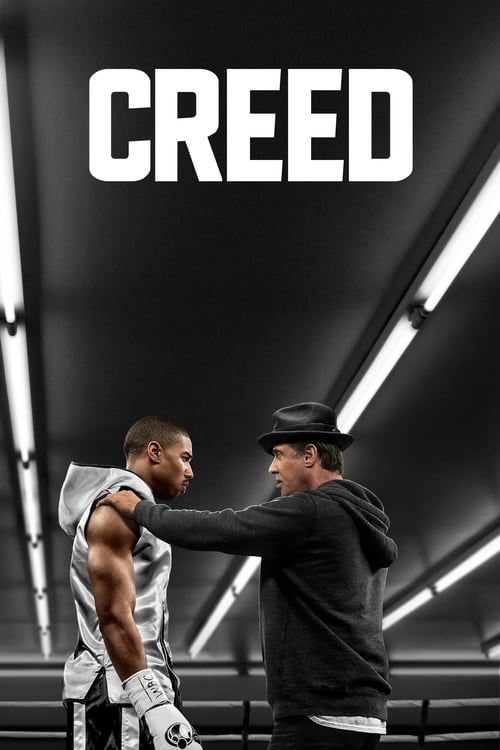
Creed - Review
Creed: A Knockout Legacy Sequel That Stands on Its Own Two Feet
The Rocky franchise, a cornerstone of cinematic inspiration and underdog triumph, had seemingly reached its final bell. Yet, like a fighter refusing to stay down, it rose again in 2015 with Creed, a film that not only revitalized the saga but also punched its way into the hearts of a new generation. Directed by Ryan Coogler, Creed is more than just a legacy sequel; it's a powerful and emotionally resonant story about identity, purpose, and the enduring power of mentorship. It masterfully balances nostalgia with innovation, honoring the spirit of the original films while forging its own distinct path. This review delves into the film's compelling narrative, unforgettable characters, stunning visuals, and profound themes, exploring why Creed deserves its place among the greatest sports dramas ever made.
Plot: A New Creed Rises
Creed tells the story of Adonis "Donnie" Johnson (Michael B. Jordan), the illegitimate son of the legendary Apollo Creed. Abandoned by his mother, Donnie grows up in foster care, grappling with his father's legacy and a volatile temper. Despite a comfortable life afforded by Apollo's widow, Mary Anne Creed (Phylicia Rashad), Donnie feels an unshakeable pull towards boxing, a sport his mother vehemently opposes due to the tragic circumstances of Apollo's death. He quits his corporate job and moves to Philadelphia, seeking out the one man who knew his father best: Rocky Balboa (Sylvester Stallone). Initially reluctant, Rocky eventually agrees to train Donnie, seeing in him a raw talent and a reflection of his own past.
The film follows Donnie's rigorous training under Rocky, his struggle to define himself outside of his father's shadow, and his burgeoning romance with Bianca (Tessa Thompson), a talented musician battling progressive hearing loss. As Donnie rises through the ranks, he faces not only physical challenges in the ring but also the psychological burden of living up to the Creed name. His ultimate test comes when he is offered a shot at the Light Heavyweight Championship against "Pretty" Ricky Conlan (Tony Bellew), a formidable and intimidating British boxer. The fight becomes more than just a boxing match; it's a battle for Donnie's identity, his legacy, and his place in the world.
Characters: More Than Just Punching Bags
The strength of Creed lies not only in its thrilling boxing sequences but also in its deeply developed and relatable characters.
Adonis "Donnie" Johnson/Creed (Michael B. Jordan)
Jordan delivers a career-defining performance as Donnie, capturing his internal conflict with raw intensity and vulnerability. He embodies the character's pent-up anger, his yearning for connection, and his unwavering determination to prove himself. Donnie is not simply riding on his father's coattails; he is actively fighting to carve his own identity and forge his own path. Jordan's physical transformation is also remarkable, showcasing the dedication and discipline required to become a credible boxer. He brings a modern sensibility to the franchise, representing a generation grappling with issues of identity, legacy, and the pursuit of passion.
Rocky Balboa (Sylvester Stallone)
Stallone's portrayal of an aging and vulnerable Rocky is nothing short of masterful. He transcends the iconic character he created, delivering a nuanced and deeply moving performance that earned him an Academy Award nomination for Best Supporting Actor. Rocky is no longer the invincible fighter of his youth; he is a man grappling with loss, loneliness, and the weight of his past. His relationship with Donnie is the emotional core of the film, providing him with a renewed sense of purpose and a connection to the legacy he helped create. Stallone's performance is a poignant reminder of the passage of time and the enduring power of human connection.
Bianca (Tessa Thompson)
Thompson brings depth and complexity to the character of Bianca, a talented musician facing her own challenges with progressive hearing loss. She is not simply a love interest; she is a fully realized character with her own dreams, ambitions, and struggles. Her relationship with Donnie is built on mutual respect, understanding, and a shared passion for their respective crafts. Thompson's performance is both strong and vulnerable, showcasing Bianca's resilience and her ability to find beauty and meaning in the face of adversity.
Mary Anne Creed (Phylicia Rashad)
Rashad provides a grounding presence as Mary Anne Creed, Apollo's widow and Donnie's adoptive mother. She represents the love and stability that Donnie craves, but also the fear and protectiveness that stem from the loss of her husband. Her relationship with Donnie is complex and nuanced, showcasing the challenges of raising a child burdened by a powerful legacy.
"Pretty" Ricky Conlan (Tony Bellew)
Bellew delivers a chilling and intimidating performance as Ricky Conlan, Donnie's formidable opponent. He is not simply a one-dimensional villain; he is a complex character facing his own personal struggles and fighting for his own redemption. Bellew's portrayal adds a layer of authenticity to the boxing sequences, showcasing the brutal reality of the sport and the sacrifices required to reach the top.
Direction and Cinematography: A Visual Knockout
Ryan Coogler's direction is masterful, blending the gritty realism of the original Rocky films with a modern and visually dynamic style. He creates a sense of intimacy and emotional connection with the characters, drawing the audience into their struggles and triumphs. His use of long takes and close-ups during the boxing sequences heightens the tension and immerses the viewer in the physicality of the sport.
The cinematography, by Maryse Alberti, is equally impressive. The film is visually stunning, capturing the vibrant energy of Philadelphia and the raw intensity of the boxing world. The use of natural lighting and handheld cameras gives the film a sense of authenticity and immediacy. The boxing sequences are particularly well-shot, utilizing innovative camera angles and techniques to convey the speed, power, and brutality of the sport. The one-take boxing scene in the first fight of Adonis is a memorable and breathtaking technical achievement that immediately establishes the film's unique visual language and sets it apart from its predecessors.
Themes and Messages: More Than Just a Fight
Creed explores several profound themes and messages that resonate beyond the realm of sports:
Identity and Legacy
The film grapples with the complexities of identity and the burden of legacy. Donnie struggles to define himself outside of his father's shadow, constantly battling the expectations and comparisons that come with the Creed name. He must learn to embrace his own strengths and weaknesses, forge his own path, and create his own legacy.
Mentorship and Connection
The relationship between Rocky and Donnie is the emotional heart of the film, highlighting the importance of mentorship and human connection. Rocky provides Donnie with guidance, support, and a sense of belonging, helping him to overcome his personal struggles and achieve his potential. Their bond is a testament to the power of intergenerational relationships and the enduring value of human connection.
Overcoming Adversity
Both Donnie and Bianca face significant adversity in their lives. Donnie struggles with his father's legacy and his own inner demons, while Bianca battles progressive hearing loss. They both learn to overcome their challenges through perseverance, resilience, and the support of their loved ones. The film emphasizes the importance of never giving up on your dreams, even in the face of seemingly insurmountable obstacles.
Finding Purpose
The characters in Creed are all searching for purpose and meaning in their lives. Donnie finds purpose in boxing, Rocky finds purpose in mentoring Donnie, and Bianca finds purpose in her music. The film suggests that finding a passion and pursuing it with dedication can bring fulfillment and meaning to life.
Comparison to Other Films and Previous Works
Creed is undeniably a part of the Rocky franchise, drawing heavily on the mythology and iconography of the original films. However, it also stands on its own as a distinct and innovative work. Unlike some legacy sequels that simply rehash old ideas, Creed revitalizes the franchise by introducing new characters, exploring new themes, and adopting a modern visual style.
Compared to the original Rocky, Creed is more focused on character development and emotional depth. While the original film was primarily a rags-to-riches story about an underdog fighter, Creed delves deeper into the complexities of identity, legacy, and the search for purpose. The boxing sequences in Creed are also more realistic and visceral than those in the original films, reflecting a modern approach to action filmmaking.
Ryan Coogler's direction in Creed shares similarities with his previous work in Fruitvale Station, another character-driven drama that explores themes of identity, race, and social justice. Both films showcase Coogler's ability to create intimate and emotionally resonant stories that connect with audiences on a deep level. The collaboration between Coogler and Michael B. Jordan has proven to be a fruitful one, resulting in two critically acclaimed and commercially successful films.
In terms of similar films, Creed can be compared to other sports dramas such as Raging Bull, Million Dollar Baby, and Warrior. These films all explore the physical and emotional toll of combat sports, as well as the themes of sacrifice, redemption, and the pursuit of greatness. However, Creed stands out for its unique blend of nostalgia and innovation, its compelling characters, and its visually stunning cinematography.
Positive Aspects
- Compelling Narrative: The story is engaging, emotionally resonant, and explores profound themes.
- Outstanding Performances: Michael B. Jordan and Sylvester Stallone deliver career-defining performances.
- Masterful Direction: Ryan Coogler's direction is both innovative and respectful of the original films.
- Stunning Cinematography: The film is visually stunning, capturing the energy of Philadelphia and the intensity of the boxing world.
- Revitalizes the Franchise: Creed successfully revitalizes the Rocky franchise for a new generation.
Constructive Criticism
- Predictable Plot Points: While the film is emotionally engaging, some plot points are predictable and follow familiar sports drama tropes.
- Reliance on Nostalgia: While the nostalgia is well-executed, the film occasionally relies too heavily on references to the original Rocky films.
- Conlan's Backstory Could Be More Developed: While Tony Bellew delivers a solid performance, Ricky Conlan's backstory could have been more fully explored to add more depth to his character.
Conclusion and Rating
Creed is a triumphant achievement, a legacy sequel that not only honors the spirit of the Rocky franchise but also establishes its own distinct identity. With its compelling narrative, outstanding performances, masterful direction, and stunning cinematography, Creed is a knockout success that will resonate with audiences for years to come. It's a film that reminds us of the power of mentorship, the importance of finding purpose, and the enduring human spirit. It transcends the boxing genre and becomes a powerful story about family, identity, and the courage to face your fears. Creed is a must-see for fans of the Rocky franchise and anyone who appreciates a well-crafted and emotionally resonant film.
Rating: 9.5/10