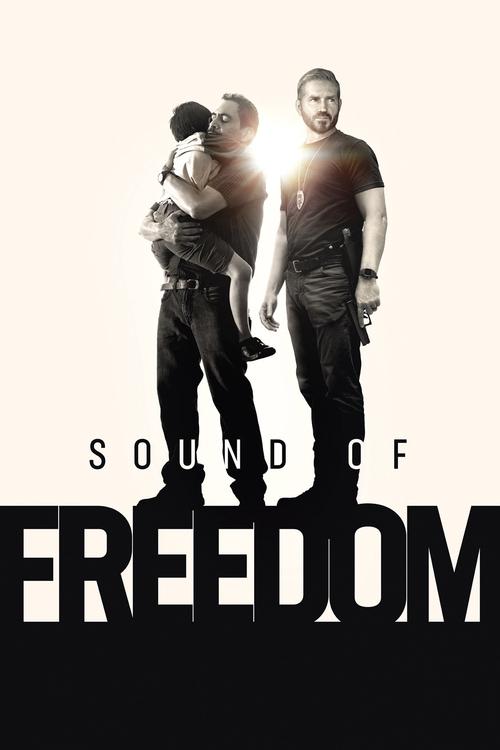
Sound of Freedom - Review
Sound of Freedom: A Powerful, Yet Controversial, Call to Action
Sound of Freedom, released on July 3rd, 2023, is not just a film; it's a cultural phenomenon. More than just a cinematic experience, it's a conversation starter, a rallying cry, and, for some, a source of intense debate. The film plunges viewers into the harrowing world of child sex trafficking through the eyes of Tim Ballard, a former Homeland Security agent who embarks on a perilous mission to rescue children from the clutches of this global evil. While undeniably impactful and emotionally resonant, Sound of Freedom is a complex and multifaceted film, demanding a critical examination beyond the headlines and social media buzz.
Plot: A Descent into Darkness, a Beacon of Hope
The film opens with a stark portrayal of child abduction in Honduras, immediately establishing the brutal reality that Sound of Freedom intends to confront. Tim Ballard (played by Jim Caviezel), a dedicated agent working to bust child pornography rings, feels increasingly frustrated by the bureaucratic limitations of his job. He longs to do more than just arrest perpetrators; he yearns to rescue the victims. His opportunity arises when he rescues a young boy named Miguel from a pedophile ring. Miguel's sister, Rocio, is still missing, setting Ballard on a dangerous path to find her.
Ballard's investigation leads him to Colombia, where he partners with a former cartel accountant turned vigilante, known as "Vampiro" (played by Bill Camp). Together, they infiltrate a sophisticated network of traffickers, navigating treacherous landscapes and facing ruthless adversaries. The plot is structured as a suspenseful thriller, with undercover operations, close calls, and moments of intense action. However, the film wisely avoids gratuitous violence, focusing instead on the emotional toll of the situation on Ballard and the vulnerability of the children involved.
The pacing is generally well-managed, although some viewers might find the middle section slightly slower as Ballard gathers intelligence and builds his team. The climax, a daring rescue operation, is both thrilling and emotionally charged. While the film takes some liberties with the real-life events, adapting them for dramatic effect, the core narrative remains grounded in the reality of child sex trafficking.
Characters: Driven by Conviction, Haunted by Reality
Tim Ballard (Jim Caviezel): Caviezel delivers a compelling performance as Ballard, portraying him as a man driven by unwavering conviction and a deep sense of moral responsibility. He embodies the character's intensity and determination, while also showcasing his vulnerability and emotional struggles. Ballard is not depicted as a flawless hero; he is a man haunted by the horrors he witnesses and grappling with the limitations of his own power. His unwavering commitment to rescuing children is the driving force of the film.
Vampiro (Bill Camp): Bill Camp provides a nuanced and compelling performance as Vampiro, the former cartel accountant seeking redemption. He brings a world-weariness and cynicism to the role, contrasted with a deep-seated desire to do good. Vampiro's transformation from a complicit figure to a dedicated rescuer adds depth and complexity to the narrative.
Rocio (Cristal Aparicio): While a supporting character, Rocio's presence is crucial to the emotional core of the film. Cristal Aparicio portrays her with a heartbreaking innocence and vulnerability, making her plight all the more impactful. Her character serves as a constant reminder of the devastating impact of child trafficking.
Miguel (Lucás Ávila): Similar to Rocio, Miguel's character helps to humanize the victims of child trafficking. Lucás Ávila effectively conveys the fear and trauma experienced by children caught in this horrific situation.
While the supporting characters are well-acted, some critics have argued that they are not as fully developed as Ballard and Vampiro. However, their presence contributes to the overall authenticity and emotional impact of the film.
Direction and Cinematography: A Visceral and Immersive Experience
Alejandro Monteverde's direction is both powerful and sensitive. He skillfully balances the need to depict the harsh realities of child trafficking with the responsibility of avoiding exploitation. The film does not shy away from difficult subject matter, but it does so with restraint and respect for the victims. Monteverde effectively uses suspense and tension to create a gripping and immersive experience for the viewer.
The cinematography, by Gorka Gómez Andreu, is visually striking and evocative. The film utilizes a muted color palette to create a sense of unease and despair, reflecting the darkness of the subject matter. The use of natural light and handheld camera work adds to the realism and immediacy of the film. The landscapes of Honduras and Colombia are beautifully captured, providing a stark contrast to the horrific events unfolding within them. The visual storytelling is impactful, contributing significantly to the film's emotional resonance.
The score, composed by Javier Navarrete, is haunting and atmospheric, further enhancing the emotional impact of the film. The music effectively underscores the tension and suspense, while also providing moments of tenderness and hope.
Themes and Messages: A Fight for Innocence, a Call to Action
Sound of Freedom explores several important themes, including:
- The devastating impact of child sex trafficking: The film serves as a stark reminder of the prevalence and brutality of this global crime. It exposes the vulnerability of children and the devastating consequences of their exploitation.
- The importance of moral courage and personal responsibility: Tim Ballard's decision to leave his secure job and dedicate his life to rescuing children highlights the importance of taking action against injustice, even when it is difficult or dangerous.
- The power of hope and resilience: Despite the darkness and despair, the film also offers a message of hope, showcasing the resilience of the human spirit and the possibility of redemption.
- The need for global awareness and collective action: Sound of Freedom aims to raise awareness about child sex trafficking and inspire viewers to take action to combat this global problem.
The film's central message is a call to action. It urges viewers to become more aware of the issue of child sex trafficking and to support organizations working to rescue and rehabilitate victims. The film's ending includes a direct address to the audience, encouraging them to share the film and support anti-trafficking efforts. This direct call to action has been both praised and criticized, with some arguing that it is manipulative, while others see it as a necessary step to raise awareness and inspire change.
Comparisons: Similar Themes, Different Approaches
Sound of Freedom can be compared to other films that address the issue of human trafficking, such as Taken and Trade. However, Sound of Freedom differs from these films in its focus on child victims and its emphasis on the emotional and psychological impact of trafficking. Taken, while entertaining, is primarily an action thriller, while Sound of Freedom aims to be a more realistic and emotionally resonant portrayal of the issue.
Trade, released in 2007, also focuses on child sex trafficking, but it takes a more documentary-style approach. While Trade is informative and impactful, Sound of Freedom arguably reaches a wider audience due to its more mainstream appeal.
In terms of Alejandro Monteverde's previous work, Bella is a notable comparison. Both films explore themes of redemption and the importance of human connection. However, Sound of Freedom is a much more ambitious and politically charged project than Bella.
Jim Caviezel's performance in Sound of Freedom can be compared to his role as Jesus in The Passion of the Christ. Both roles require him to portray a character with unwavering faith and a strong sense of moral purpose. However, Ballard is a more complex and nuanced character than Jesus, allowing Caviezel to showcase a wider range of emotions.
Positive Aspects: A Powerful and Impactful Film
Sound of Freedom has several positive aspects:
- Raises awareness about a critical issue: The film brings much-needed attention to the issue of child sex trafficking, a crime that often goes unreported and unnoticed.
- Compelling performances: Jim Caviezel, Bill Camp, and the young actors deliver strong and believable performances.
- Effective direction and cinematography: Alejandro Monteverde's direction and Gorka Gómez Andreu's cinematography create a visually stunning and emotionally impactful film.
- Inspiring message: The film offers a message of hope and resilience, encouraging viewers to take action against injustice.
- Engaging plot: The film is a suspenseful and thrilling ride, keeping viewers engaged from beginning to end.
Constructive Criticism: Addressing the Controversies
Despite its positive aspects, Sound of Freedom has also faced criticism:
- Allegations of QAnon connections: The film has been associated with the QAnon conspiracy theory, which has raised concerns among some viewers and critics. While the film itself does not explicitly promote QAnon beliefs, the association has tarnished its reputation for some.
- Potential for exploitation: Some critics have argued that the film, despite its intentions, could inadvertently exploit the trauma of child sex trafficking victims. The need to balance raising awareness with avoiding exploitation is a delicate one, and some argue that the film does not always strike the right balance.
- Simplification of a complex issue: Child sex trafficking is a complex and multifaceted problem, and some critics argue that the film simplifies the issue, potentially leading to misunderstandings and ineffective solutions.
- Artistic liberties: As with any film based on real events, Sound of Freedom takes certain artistic liberties. While these liberties may enhance the dramatic impact of the film, they can also raise questions about its accuracy and authenticity.
It's important to acknowledge these criticisms and engage with them in a thoughtful and critical manner. While the film's intentions may be noble, it's crucial to be aware of the potential for unintended consequences and to approach the issue of child sex trafficking with sensitivity and nuance.
Conclusion: A Necessary Conversation Starter
Sound of Freedom is a powerful and impactful film that tackles a difficult and important subject. While it is not without its flaws and controversies, it is a film that deserves to be seen and discussed. It raises awareness about a critical issue, inspires viewers to take action, and offers a message of hope in the face of darkness. Whether you agree with its message or not, Sound of Freedom is undeniably a conversation starter, prompting viewers to confront the harsh realities of child sex trafficking and to consider their own role in combating this global crime.
Ultimately, Sound of Freedom is a film that stays with you long after the credits roll. It's a challenging, uncomfortable, and ultimately hopeful experience that demands attention and reflection.