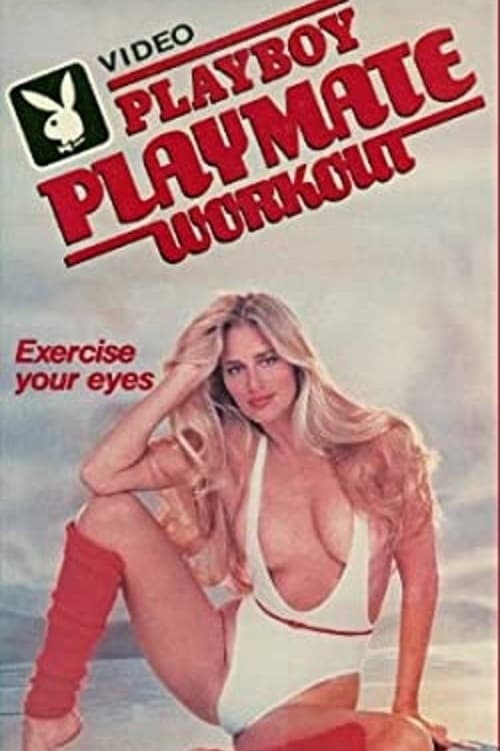
Playboy Playmate Workout - Review
A Blast From the Past: A Deep Dive into the "Playboy Playmate Workout" (1983)
Ah, the 1980s. A decade of excess, big hair, synth-pop, and, of course, the burgeoning fitness craze. Amidst the leg warmers and neon spandex, a peculiar artifact emerged: the "Playboy Playmate Workout." Released in 1983, this wasn't your Jane Fonda aerobic workout. It promised a path to physical fitness guided by none other than Playboy Playmates, specifically Lynda Wiesmeier, Playmate of the Month for July 1982. Before you dismiss this as pure exploitative fluff, let's strap on our headbands, crank up the VCR, and delve into this time capsule of fitness, femininity, and cultural context. Is it a serious workout? A titillating spectacle? Or something in between? Prepare to sweat, both literally and figuratively, as we dissect this fascinating piece of cinematic history.
Plot (or Lack Thereof): A Structured Sweat Session
To call the "Playboy Playmate Workout" a plotted narrative would be generous. There's no underlying storyline, no character arcs, no dramatic tension. Instead, it's a straightforward exercise video, divided into various segments focusing on different muscle groups. Lynda Wiesmeier, serving as the main instructor, leads a group of fellow Playmates through a series of warm-ups, stretches, and targeted exercises. The "plot," if you can call it that, simply progresses from introductory movements to more challenging routines. The transitions between segments are minimal, often consisting of a simple cut or a brief explanation of the upcoming exercises. The focus is entirely on the physical activity, with occasional motivational pep talks from Lynda and the other Playmates. While devoid of traditional narrative elements, the structure is surprisingly effective in guiding viewers through a comprehensive workout.
Characters: Playmates as Fitness Gurus
The "characters" in this workout video are, of course, the Playmates themselves. Lynda Wiesmeier is presented as the leader, possessing a confident and encouraging demeanor. She provides clear instructions, demonstrates proper form, and offers words of encouragement to both her fellow Playmates and the viewers at home. The other Playmates act as supporting cast, mirroring Lynda's movements and occasionally offering their own insights or expressions of exertion. While they don't possess distinct personalities or backstories, their presence adds a sense of camaraderie and visual variety to the workout. It's important to remember that these women are primarily presented as physical ideals, reflecting the beauty standards of the era. Their "character" is largely defined by their physical appearance and their ability to perform the exercises effectively. There's little attempt to delve into their personal lives or motivations beyond their role as fitness instructors.
Direction and Cinematography: A Product of Its Time
The direction and cinematography of the "Playboy Playmate Workout" are undeniably dated, reflecting the limitations of early 1980s video production. The camera work is largely static, with occasional zooms and pans to focus on specific muscle groups or movements. The lighting is bright and even, creating a clean but somewhat sterile aesthetic. The editing is straightforward, with simple cuts and transitions between segments. There are no fancy special effects or stylistic flourishes. The overall visual presentation is functional rather than artistic, prioritizing clarity and instruction over visual flair. The setting is a brightly lit studio, adorned with minimal decorations. The emphasis is on the performers and their movements, with the background serving as a neutral backdrop. While technically unremarkable, the direction and cinematography effectively convey the necessary information for viewers to follow along with the workout. It's a product of its time, characterized by simplicity and practicality rather than visual innovation.
Performances: Enthusiasm and Exertion
The "performances" in the "Playboy Playmate Workout" are less about acting and more about physical demonstration. Lynda Wiesmeier delivers her instructions with a clear and enthusiastic tone, maintaining a positive and encouraging attitude throughout the video. She demonstrates proper form and technique, ensuring that viewers can follow along safely and effectively. The other Playmates mirror Lynda's movements, showcasing their own physical prowess and endurance. While there's no dramatic acting involved, the Playmates convey a sense of genuine exertion and commitment to the workout. Their facial expressions and body language reflect the physical demands of the exercises, adding a layer of authenticity to the presentation. It's clear that they're not just going through the motions; they're actively engaged in the workout themselves. The performances are ultimately defined by their physical execution and their ability to motivate viewers to participate.
Themes and Messages: Body Image, Empowerment, and Objectification
The "Playboy Playmate Workout" is a complex text, laden with conflicting themes and messages. On one hand, it promotes physical fitness and healthy living, encouraging viewers to take control of their bodies and improve their overall well-being. The emphasis on exercise and self-care can be interpreted as a form of empowerment, particularly for women who were often subjected to unrealistic beauty standards. However, the video is also undeniably steeped in objectification. The Playmates are presented as physical ideals, their bodies scrutinized and celebrated for their aesthetic appeal. Their value is largely defined by their appearance, reinforcing the notion that women should strive to conform to societal beauty standards. The association with Playboy magazine further complicates the message, as the brand is historically associated with the objectification of women. The video attempts to balance these competing themes, presenting fitness as a means of both empowerment and aesthetic improvement. Whether it succeeds in striking that balance is a matter of individual interpretation. The workout, regardless of its intentions, also reinforces the idea that thinness equals health, a harmful message that persists today. It showcases a very particular, and often unattainable, body type as the ideal, potentially leading to body image issues for viewers.
Comparison to Similar Films and Works
The "Playboy Playmate Workout" exists within a broader context of fitness videos that emerged in the 1980s. It shares similarities with other celebrity-endorsed workouts, such as Jane Fonda's "Workout" and Richard Simmons' "Sweatin' to the Oldies." However, it also distinguishes itself through its association with the Playboy brand and its explicit focus on female sexuality. While Jane Fonda's workout emphasized strength and athleticism, the "Playboy Playmate Workout" subtly emphasizes aesthetics and the attainment of a "Playboy-approved" physique. The inclusion of Playmates as instructors adds a layer of titillation that is absent in other fitness videos. In contrast to Richard Simmons' inclusive and body-positive approach, the "Playboy Playmate Workout" caters to a more specific audience, one that is likely drawn to the brand's association with beauty and desirability. It's a product of its time, reflecting the prevailing cultural attitudes towards fitness, sexuality, and gender roles. Comparing it to modern workout videos highlights the evolution of fitness culture, with a greater emphasis on inclusivity, body positivity, and diverse representation.
Positive Aspects: A Functional Workout and a Nostalgic Trip
Despite its problematic aspects, the "Playboy Playmate Workout" does possess some redeeming qualities. First and foremost, it offers a surprisingly effective workout. The exercises are well-structured and target various muscle groups, providing a comprehensive fitness routine. Lynda Wiesmeier's instructions are clear and concise, making it easy for viewers to follow along. The video also serves as a fascinating time capsule, offering a glimpse into the fitness trends and cultural attitudes of the 1980s. The music, the fashion, and the overall aesthetic are all distinctly of that era, providing a nostalgic experience for those who lived through it and a curiosity for those who didn't. Furthermore, the video can be seen as a testament to the enduring power of celebrity endorsement. The association with Playboy and the inclusion of Playmates as instructors undoubtedly contributed to its popularity and appeal. While the brand's association is problematic, the Playmates themselves are undeniably charismatic and engaging performers.
Constructive Criticism: Objectification and Dated Ideals
The most significant criticism of the "Playboy Playmate Workout" lies in its inherent objectification of women. The Playmates are presented primarily as objects of desire, their value largely determined by their physical appearance. The association with Playboy reinforces this objectification, perpetuating the notion that women should be judged based on their attractiveness. The video also promotes unrealistic beauty standards, showcasing a very specific and often unattainable body type as the ideal. This can contribute to body image issues and feelings of inadequacy among viewers. Furthermore, the video's emphasis on aesthetics over functionality can be seen as detrimental to the pursuit of true fitness. The focus is on achieving a "Playboy-approved" physique rather than improving overall health and well-being. The dated ideals and problematic messaging make it difficult to recommend this video without significant caveats. It's important to approach it with a critical eye, recognizing its historical context and its inherent biases.
Conclusion: A Complex Relic of the 1980s
The "Playboy Playmate Workout" is a complex and contradictory artifact of the 1980s. It's a functional workout video, a nostalgic trip, and a problematic example of objectification all rolled into one. While it offers a surprisingly effective fitness routine and a glimpse into the cultural trends of the era, it also reinforces unrealistic beauty standards and perpetuates harmful stereotypes. Viewing it today requires a critical lens, recognizing its historical context and its inherent biases. It's a reminder of how far we've come in terms of body positivity, inclusivity, and the understanding of true fitness. Ultimately, the "Playboy Playmate Workout" serves as a valuable case study in the intersection of fitness, sexuality, and cultural attitudes. It's a fascinating piece of cinematic history, but one that should be approached with caution and critical awareness.
Rating:
Given its problematic aspects and dated ideals, I would rate the "Playboy Playmate Workout" a 4/10. While it offers a functional workout and a nostalgic experience, its objectification of women and promotion of unrealistic beauty standards cannot be ignored.