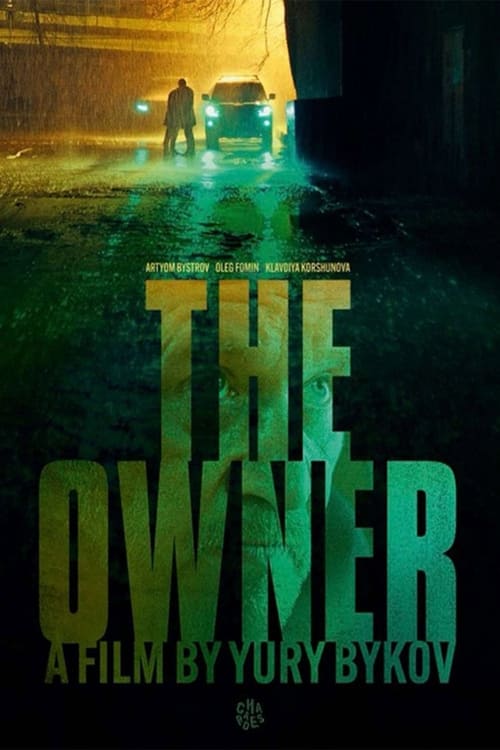
The Owner - Review
"The Owner" (2023): A Slow-Burning Drama of Debt and Duty
The cinematic landscape is often bombarded with explosions, fantastical realms, and superheroic feats. But sometimes, the most compelling stories lie in the quiet corners of everyday life, where ordinary individuals grapple with extraordinary circumstances. "The Owner," released on November 9th, 2023, falls squarely into this category. It's a drama that eschews spectacle for introspection, focusing on the unlikely connection between a seemingly unremarkable man and the powerful figure he saves. While the film might not set pulses racing with adrenaline, it offers a thoughtful exploration of themes like obligation, social class, and the hidden costs of doing what's expected of you.
Plot: A Debt of Gratitude with Unforeseen Consequences
The narrative of "The Owner" hinges on a chance encounter that irrevocably alters the protagonist, Arthur’s, life. Arthur, a middle-aged man living a routine existence, finds himself in the right place at the right time when a car accident leaves a high-ranking security officer, Mr. Thorne, critically injured. Arthur's quick thinking and decisive action save Mr. Thorne's life. This act of heroism doesn't go unnoticed. Mr. Thorne, a man accustomed to power and influence, feels indebted to Arthur. He offers Arthur a seemingly simple proposition: to become the owner of a small, unassuming building. This act, seemingly a gesture of gratitude, sets in motion a chain of events that gradually unravel Arthur's life.
Initially, Arthur is overwhelmed by this unexpected windfall. He sees it as a chance to finally escape his financial struggles and provide a better future for himself. However, the building comes with its own set of problems. It's in disrepair, the tenants are difficult, and the responsibilities of ownership quickly become overwhelming. Furthermore, Arthur soon discovers that Mr. Thorne's generosity isn't entirely altruistic. The building is more than just a piece of property; it's connected to a web of secrets and shady dealings that Arthur unwittingly becomes entangled in.
The film's plot unfolds at a deliberate pace, allowing the audience to fully absorb Arthur's growing unease and the escalating pressure he faces. The tension slowly builds as Arthur realizes the true nature of his "gift" and the price he may have to pay for accepting it. The narrative avoids overt action sequences, instead relying on subtle character interactions and atmospheric tension to create a sense of foreboding. While some viewers might find the pace too slow, it allows for a deeper exploration of the characters' motivations and the moral complexities of the situation.
Characters: Ordinary People in Extraordinary Circumstances
"The Owner" excels in its character development, presenting a cast of believable and relatable individuals. Arthur, played with quiet intensity, is the everyman protagonist. He's not a hero in the traditional sense; he's simply a decent person trying to navigate the challenges of life. His initial naivete and subsequent disillusionment are portrayed convincingly, making him a sympathetic and relatable character.
Mr. Thorne, the enigmatic security officer, is a more complex figure. He's a man of power and influence, accustomed to getting what he wants. While he appears grateful to Arthur, his actions are often driven by self-interest and a desire to control the situation. His motivations remain ambiguous throughout the film, leaving the audience to question the sincerity of his intentions. Thorne is not a clear cut villain, but rather a representation of morally grey areas and the corrupting influence of power. The actor playing Thorne delivers a nuanced performance, capturing both the charm and the underlying menace of the character.
The supporting characters, including the building's tenants and Arthur's family, add depth and texture to the narrative. Each tenant has their own story and struggles, reflecting the diverse and often marginalized communities that exist in urban environments. Arthur's family provides a grounding force, reminding him of the importance of his values and the potential consequences of his actions. These secondary characters are not simply plot devices; they are fully realized individuals with their own hopes, fears, and motivations.
Direction and Cinematography: A Study in Subtlety
The director's approach to "The Owner" is marked by a deliberate restraint. The film avoids flashy camera work or over-the-top special effects, instead focusing on creating a realistic and atmospheric portrayal of Arthur's world. The direction emphasizes the emotional and psychological impact of the events on the characters, rather than relying on external action to drive the narrative.
The cinematography plays a crucial role in establishing the film's mood and tone. The use of muted colors and natural lighting creates a sense of realism and reinforces the film's grounded aesthetic. The camera often lingers on Arthur's face, capturing his subtle expressions and conveying his inner turmoil. The building itself becomes a character in the film, its dilapidated state mirroring Arthur's own sense of decay and disillusionment. The cinematography effectively uses visual cues to enhance the storytelling and create a sense of unease.
The director also makes effective use of sound design to create atmosphere. The ambient sounds of the city, the creaking of the old building, and the hushed conversations all contribute to the film's sense of realism and tension. The score is understated but effective, providing a subtle emotional undercurrent that enhances the viewing experience.
Performances: Anchored by Strong Lead Acting
The success of "The Owner" hinges on the strength of its performances, and the cast delivers admirably. The actor portraying Arthur carries the weight of the film on his shoulders, delivering a nuanced and compelling performance. He effectively portrays Arthur's transformation from an ordinary man to someone burdened by responsibility and moral conflict. His ability to convey complex emotions with subtle gestures and facial expressions is particularly noteworthy.
The actor playing Mr. Thorne is equally impressive. He manages to portray a character who is both charming and sinister, leaving the audience constantly guessing about his true intentions. His performance is subtle and understated, but it's incredibly effective in creating a sense of unease. The supporting cast also delivers strong performances, bringing depth and authenticity to their respective roles. The ensemble cast works together seamlessly to create a believable and engaging world.
Themes and Messages: Debt, Duty, and the Price of Compromise
"The Owner" explores several important themes, including the nature of obligation, the corrupting influence of power, and the price of compromising one's values. The film raises questions about the true meaning of gratitude and the extent to which one should be willing to repay a debt. Arthur's initial acceptance of Mr. Thorne's "gift" is driven by a sense of obligation, but he soon discovers that the debt he owes is far greater than he initially imagined.
The film also examines the corrupting influence of power. Mr. Thorne's position of authority allows him to manipulate and control those around him, including Arthur. The film suggests that power can be a dangerous force, leading individuals to act in ways that are morally questionable. Arthur's struggle to maintain his integrity in the face of Mr. Thorne's influence is a central theme of the film.
Ultimately, "The Owner" is a cautionary tale about the dangers of compromising one's values. Arthur's initial willingness to overlook certain questionable aspects of Mr. Thorne's dealings leads him down a path of moral compromise. The film suggests that even small compromises can have significant consequences, and that it's important to stand up for one's beliefs, even when it's difficult. The film’s message resonates deeply, reminding viewers of the importance of ethical conduct in a world where power and money often dictate decisions.
Comparison to Other Films and Works
"The Owner" shares thematic similarities with films like "The Godfather" and "Chinatown," which explore the corrupting influence of power and the moral compromises that individuals make in pursuit of their goals. However, unlike those films, "The Owner" is a more intimate and character-driven story. It focuses on the personal impact of these themes on a single individual, rather than presenting a grand, sweeping narrative.
The film also shares some similarities with previous works by the director, who has a track record of creating character-driven dramas that explore complex moral issues. Like his previous films, "The Owner" is marked by a slow-burning pace, a focus on realism, and a strong emphasis on character development. However, "The Owner" is arguably his most ambitious film to date, tackling a wider range of themes and presenting a more nuanced portrayal of its characters.
Positive Aspects: Subtlety, Performances, and Themes
One of the film's greatest strengths is its subtlety. "The Owner" avoids cheap thrills and over-the-top melodrama, instead relying on nuanced performances and atmospheric tension to create a compelling viewing experience. The film's slow-burning pace allows the audience to fully absorb the characters' emotions and the moral complexities of the situation.
The performances are another highlight of the film. The lead actor delivers a particularly strong performance, capturing the emotional and psychological toll that the events take on his character. The supporting cast also shines, bringing depth and authenticity to their respective roles.
The film's exploration of themes like obligation, power, and compromise is also commendable. "The Owner" raises important questions about the true meaning of gratitude and the price of compromising one's values. The film's message is both timely and relevant, resonating with audiences who are grappling with similar issues in their own lives.
Constructive Criticism: Pacing and Lack of Resolution
Despite its many strengths, "The Owner" is not without its flaws. The film's slow pace might not appeal to all viewers. Some might find the lack of action and the deliberate pacing to be tedious. While the slow burn allows for deeper character exploration, it also risks losing the attention of viewers who are accustomed to more fast-paced narratives.
Another potential criticism is the film's somewhat ambiguous ending. While some viewers might appreciate the lack of a definitive resolution, others might find it unsatisfying. The film leaves several questions unanswered, leaving the audience to draw their own conclusions about the characters' fates and the ultimate meaning of the events. While ambiguity can be a powerful narrative tool, it can also leave viewers feeling frustrated and unresolved.
Additionally, some might argue that the film's visual style is too understated. While the muted colors and natural lighting contribute to the film's realism, they also create a somewhat drab and uninspired visual aesthetic. A more visually dynamic approach might have enhanced the film's overall impact.
Conclusion and Rating
"The Owner" is a thoughtful and engaging drama that explores complex moral issues with subtlety and nuance. While its slow pace and ambiguous ending might not appeal to all viewers, its strong performances, compelling characters, and exploration of timely themes make it a worthwhile watch. It's a film that lingers in the mind long after the credits roll, prompting reflection on the choices we make and the debts we owe. While not a perfect film, "The Owner" offers a refreshing alternative to the spectacle-driven blockbusters that often dominate the cinematic landscape.
Rating: 7.5/10