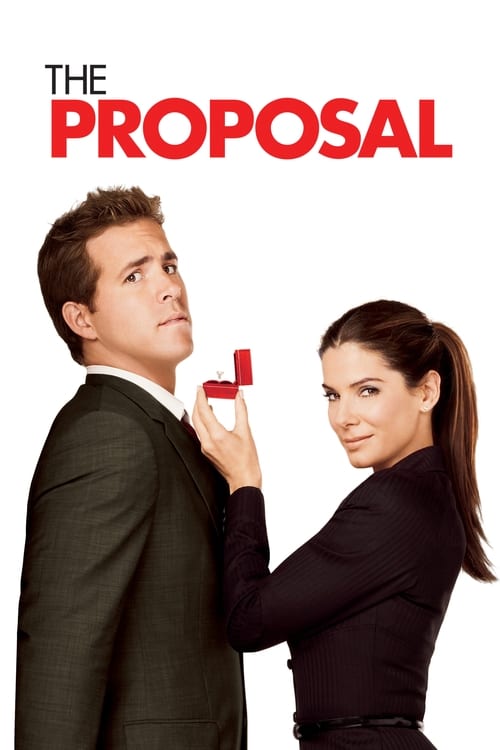
The Proposal - Review
"The Proposal": A Comedic Marriage of Convenience with a Heart of Gold
In the realm of romantic comedies, where predictable tropes often reign supreme, "The Proposal" (2009) manages to carve out a niche for itself. While the premise – a tyrannical boss forcing her subordinate into a sham marriage to avoid deportation – sounds like a recipe for disaster (both personally and cinematically), the film, directed by Anne Fletcher, delivers a surprisingly charming and genuinely funny experience. It's a testament to the undeniable chemistry between Sandra Bullock and Ryan Reynolds, coupled with a well-paced narrative and a supporting cast that elevates the material beyond its initial simplicity. Is it groundbreaking cinema? Absolutely not. But is it a delightful and rewatchable rom-com that expertly blends humor with heartwarming moments? Undeniably yes.
Plot: From Power Play to Genuine Affection
The story centers around Margaret Tate (Sandra Bullock), a highly successful but notoriously demanding and feared editor-in-chief at a New York publishing house. Her life is meticulously structured, and her professional reputation precedes her, striking fear into the hearts of even the most seasoned employees. On the other end of the spectrum is Andrew Paxton (Ryan Reynolds), Margaret's long-suffering assistant. He dreams of becoming a writer himself, but for now, he's stuck fetching lattes, enduring Margaret's impossible demands, and generally being treated as a disposable pawn in her corporate chess game.
The inciting incident occurs when Margaret learns that her Canadian visa has expired, and she faces imminent deportation back to Canada. Desperate to maintain her position and avoid the humiliation of being forced to leave the country, she impulsively announces to her boss that she and Andrew are engaged. Andrew, understandably stunned, is initially resistant to the idea. However, Margaret leverages her power and manipulates him into playing along, threatening to ruin his career prospects if he refuses. He agrees, reluctantly, but on his own terms: she must fly to his hometown in Sitka, Alaska, and convince his family – a close-knit and eccentric bunch – that their relationship is genuine.
The Alaskan setting provides a stark contrast to Margaret's sterile, corporate world. She is thrust into a rustic environment, surrounded by nature and the warmth of Andrew's family. This is where the real comedic and romantic sparks begin to fly. Margaret is forced to confront her own vulnerabilities and shed her icy exterior. She participates in family traditions, learns to fish, and even encounters a (surprisingly friendly) wolf. Andrew, in turn, sees a different side of Margaret – a woman beneath the intimidating facade. He witnesses her kindness, her humor, and her genuine desire to connect with his family.
The narrative follows the classic rom-com formula, with predictable obstacles and misunderstandings along the way. Andrew's ex-girlfriend, Gertrude (Malin Åkerman), arrives, adding a layer of romantic tension. Immigration agent Mr. Gilbertson (Denis O'Hare) remains suspicious of their relationship, constantly monitoring their every move. And Margaret's own internal struggles prevent her from fully embracing the possibility of a genuine connection with Andrew. Despite these challenges, the film skillfully navigates the familiar territory, relying on strong performances and witty dialogue to keep the audience engaged.
The climax arrives during the wedding ceremony itself. Margaret, realizing the depth of her feelings for Andrew and the ethical implications of their charade, confesses the truth to his family and the immigration agent. She prepares to face the consequences of her actions, but Andrew, having also fallen in love with her, stops her from leaving and proposes for real. The film concludes with a heartwarming and satisfying resolution, solidifying the bond between Margaret and Andrew and leaving the audience with a sense of hope and happiness.
Characters: Beyond the Stereotypes
While the plot relies on familiar rom-com tropes, the characters in "The Proposal" are surprisingly well-developed and nuanced, thanks in large part to the talent of the cast.
- Margaret Tate (Sandra Bullock): Margaret initially appears as a stereotypical "ice queen" – a ruthless and demanding boss who cares only about her career. However, as the film progresses, we see glimpses of vulnerability and insecurity beneath the surface. Bullock masterfully portrays Margaret's transformation, gradually revealing her humanity and making her a sympathetic and relatable character. Her comedic timing is impeccable, and she seamlessly blends the comedic and dramatic aspects of the role.
- Andrew Paxton (Ryan Reynolds): Andrew starts as the put-upon assistant, seemingly powerless against Margaret's domineering personality. However, he possesses a quiet strength and a hidden ambition. As the story unfolds, he asserts himself, challenging Margaret and demanding respect. Reynolds brings his signature wit and charm to the role, making Andrew a likable and relatable protagonist. He also showcases his dramatic range, particularly in the scenes where he expresses his frustration with Margaret's treatment and his longing for a life beyond being her assistant.
- Joe Paxton (Craig T. Nelson): Andrew's father, Joe, is a wealthy and successful businessman who initially disapproves of Margaret. He suspects her motives and worries that she is using Andrew for her own gain. However, he eventually comes to see Margaret's genuine affection for his son and accepts her into the family. Nelson delivers a solid performance, portraying Joe as a stern but ultimately loving father.
- Grace Paxton (Mary Steenburgen): Andrew's mother, Grace, is a warm and supportive figure who welcomes Margaret with open arms. She sees the potential for a genuine connection between Margaret and Andrew and encourages them to embrace their feelings. Steenburgen brings a gentle and maternal presence to the role, providing a counterpoint to the more cynical characters.
- Grandma Annie (Betty White): Grandma Annie is arguably the scene-stealer of the film. She is Andrew's eccentric and mischievous grandmother, who provides much of the film's comedic relief. White delivers a hilarious and memorable performance, showcasing her impeccable comedic timing and her ability to play against type. Her character embodies the spirit of the Alaskan setting and adds a layer of warmth and humor to the story.
The supporting cast, including Denis O'Hare as the suspicious immigration agent and Malin Åkerman as Andrew's ex-girlfriend, also contribute to the overall success of the film. Each character is well-defined and adds depth and complexity to the narrative.
Direction and Cinematography: A Focus on Character and Comedy
Anne Fletcher's direction in "The Proposal" is competent and effective, focusing on character development and comedic timing rather than flashy visuals or elaborate set pieces. She allows the actors to shine, giving them the space to explore their characters and deliver memorable performances. The pacing of the film is well-managed, with a good balance between comedic and dramatic moments. Fletcher also effectively utilizes the Alaskan setting to create a sense of contrast and isolation, highlighting Margaret's fish-out-of-water experience.
The cinematography, while not particularly groundbreaking, is visually appealing and serves the story well. The shots of the Alaskan landscape are breathtaking, showcasing the natural beauty of the region. The camera work is generally unobtrusive, allowing the focus to remain on the characters and their interactions. The lighting is well-executed, creating a warm and inviting atmosphere, particularly in the scenes involving Andrew's family.
While the direction and cinematography are solid, they don't necessarily elevate "The Proposal" beyond the typical rom-com fare. The film relies more on its strong performances and witty dialogue than on visual innovation or stylistic flair.
Performances: Bullock and Reynolds Shine
The success of "The Proposal" hinges largely on the undeniable chemistry between Sandra Bullock and Ryan Reynolds. Their comedic timing is impeccable, and they bring a naturalness and authenticity to their roles that makes their relationship believable. Bullock's portrayal of Margaret is particularly noteworthy. She seamlessly transitions from a cold and intimidating boss to a vulnerable and endearing woman. Reynolds, meanwhile, showcases his versatility, balancing his comedic talents with moments of genuine emotion. Together, they create a dynamic and engaging on-screen partnership that elevates the film beyond its predictable plot.
Betty White's performance as Grandma Annie is also a standout. She steals every scene she's in, delivering hilarious one-liners and physical comedy with effortless grace. Her character adds a layer of warmth and humor to the story and provides a welcome contrast to the more serious moments.
The supporting cast also delivers solid performances, contributing to the overall success of the film. Craig T. Nelson and Mary Steenburgen are believable as Andrew's parents, and Denis O'Hare is suitably suspicious as the immigration agent.
Themes and Messages: Family, Love, and Letting Go
Beneath the comedic surface, "The Proposal" explores several important themes, including:
- The Importance of Family: The film emphasizes the importance of family and the bonds that connect us. Andrew's family provides a strong support system for him, and their warmth and acceptance help Margaret to shed her icy exterior and embrace her own vulnerability.
- The Power of Love: The film explores the transformative power of love, showing how it can break down barriers and bring people together. Margaret and Andrew's relationship evolves from a transactional arrangement to a genuine connection based on mutual respect and affection.
- Letting Go of Control: Margaret's journey is about learning to let go of control and trust in others. She initially relies on her power and authority to manipulate those around her, but she eventually realizes that true happiness comes from opening herself up to vulnerability and connection.
- The Value of Authenticity: The film celebrates the value of authenticity and encourages viewers to be true to themselves. Margaret initially hides her true emotions behind a facade of coldness, but she eventually learns to embrace her vulnerability and express her feelings honestly.
The film's message is ultimately optimistic and heartwarming, suggesting that even the most unlikely relationships can blossom into something beautiful and meaningful.
Comparison to Other Films: A Familiar Formula, Well-Executed
"The Proposal" shares similarities with other romantic comedies that feature a marriage of convenience trope, such as "Green Card" (1990) and "27 Dresses" (2008). However, it distinguishes itself through its strong performances, witty dialogue, and the unique Alaskan setting.
Anne Fletcher, the director of "The Proposal," has also directed other successful comedies, including "27 Dresses" and "The Guilt Trip" (2012). Her directorial style is characterized by a focus on character development and comedic timing, and she consistently delivers films that are entertaining and heartwarming.
Sandra Bullock and Ryan Reynolds have both starred in numerous romantic comedies throughout their careers. Bullock is known for her roles in films such as "While You Were Sleeping" (1995) and "Miss Congeniality" (2000), while Reynolds has starred in films such as "Definitely, Maybe" (2008) and "The Change-Up" (2011). Their experience in the genre is evident in their performances in "The Proposal," and they bring a level of expertise and charisma to their roles.
Positive Aspects: Chemistry, Comedy, and Charm
The positive aspects of "The Proposal" far outweigh its flaws. The film's strengths lie in:
- The undeniable chemistry between Sandra Bullock and Ryan Reynolds: Their performances are the heart and soul of the film, and their comedic timing is impeccable.
- The witty and well-written dialogue: The film is genuinely funny, with clever jokes and memorable one-liners.
- The charming Alaskan setting: The rustic environment provides a welcome contrast to the sterile corporate world and adds a layer of warmth and authenticity to the story.
- The strong supporting cast: Betty White, in particular, delivers a scene-stealing performance.
- The heartwarming and satisfying ending: The film leaves the audience with a sense of hope and happiness.
Constructive Criticism: Predictability and Trope Dependence
While "The Proposal" is a highly enjoyable film, it is not without its flaws. The film's weaknesses include:
- The predictable plot: The story follows a familiar rom-com formula, with predictable obstacles and misunderstandings along the way.
- The reliance on tropes: The film relies on several overused rom-com tropes, such as the "ice queen" character and the "marriage of convenience" plot device.
- The lack of originality: While the film is well-executed, it doesn't necessarily offer anything new or groundbreaking to the genre.
Despite these flaws, "The Proposal" remains a highly entertaining and rewatchable film. Its strengths in performance, comedy, and charm outweigh its weaknesses in predictability and trope dependence.
Conclusion and Rating
"The Proposal" is a delightful and entertaining romantic comedy that benefits from the undeniable chemistry between Sandra Bullock and Ryan Reynolds. While the plot may be predictable and the film relies on familiar tropes, the strong performances, witty dialogue, and charming Alaskan setting make it a thoroughly enjoyable experience. It's a feel-good movie that will leave you smiling and believing in the power of love. While not a cinematic masterpiece, it's a well-crafted and executed rom-com that delivers exactly what it promises: laughter, romance, and a happy ending.
Rating: 7.8/10