Forrest Gump - Review
"Forrest Gump": A Feather in the Wind of American History
"Life is like a box of chocolates, you never know what you're gonna get." These words, uttered with a gentle drawl by the titular character of Robert Zemeckis's 1994 masterpiece, "Forrest Gump," have become ingrained in popular culture. But beyond the quotable lines and iconic imagery, lies a deeply moving and thought-provoking film that explores themes of love, loss, destiny, and the American experience. More than just a feel-good story, "Forrest Gump" is a complex tapestry woven with humor, tragedy, and historical significance, inviting viewers to reflect on their own place in the grand scheme of things. This review delves into the heart of this cinematic landmark, examining its plot, characters, direction, and enduring legacy.
Plot: A Forrest of Possibilities
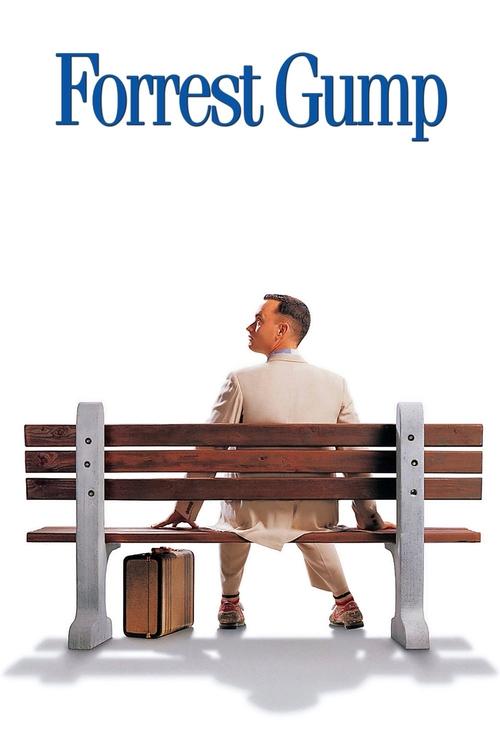
The film unfolds through the eyes of Forrest Gump (Tom Hanks), a kind-hearted man with a low IQ, as he recounts his life story to strangers on a park bench in Savannah, Georgia. From his childhood in Greenbow, Alabama, where he overcomes leg braces and bullies to become a star football player, to his service in the Vietnam War, Forrest stumbles upon pivotal moments in American history. He meets presidents, inspires songs, becomes a ping-pong champion, a shrimp boat captain, and a successful investor in Apple Computer. Yet, amidst all these extraordinary achievements, his unwavering devotion to his childhood sweetheart, Jenny Curran (Robin Wright), remains the constant thread in his life.
The narrative structure is episodic, jumping between different periods and events in Forrest's life. This allows Zemeckis to seamlessly integrate Forrest into historical footage, creating a surreal yet believable portrayal of his journey. The plot isn't driven by traditional conflict and resolution, but rather by Forrest's passive observation and accidental participation in significant events. He doesn't actively seek out these experiences; they simply happen to him, highlighting the theme of destiny and the randomness of life.
One minor criticism is that the film occasionally relies on convenient coincidences to propel the plot forward. While these coincidences contribute to the film's whimsical tone, they can sometimes feel contrived and detract from the overall realism. However, these moments are often balanced by moments of genuine emotional depth and character development, making them ultimately forgivable.
Characters: Hearts of Gold and Troubled Souls
Forrest Gump (Tom Hanks): Hanks delivers a career-defining performance as Forrest, portraying him with a perfect blend of innocence, sincerity, and unwavering optimism. He captures Forrest's naivete without ever resorting to caricature. Forrest's unwavering loyalty, his simple understanding of right and wrong, and his genuine kindness make him an incredibly endearing and relatable character. He is the moral compass of the film, a beacon of goodness in a world often filled with cynicism and darkness.
Jenny Curran (Robin Wright): Jenny is a far more complex and troubled character than Forrest. She represents the counterculture movement of the 1960s and 70s, struggling with addiction, abuse, and a search for identity. Her journey is marked by pain and self-destruction, a stark contrast to Forrest's unwavering optimism. Wright's performance is nuanced and heartbreaking, capturing Jenny's vulnerability and her desperate attempts to escape her past. While some criticize her for her treatment of Forrest, it's important to recognize that she is a product of her circumstances, a victim of abuse and societal pressures. Her eventual return to Forrest, and her acceptance of his love, offers a glimmer of hope and redemption.
Lieutenant Dan Taylor (Gary Sinise): Lieutenant Dan is another pivotal character, a war veteran who loses his legs in Vietnam. He embodies the bitterness and disillusionment that many soldiers experienced upon returning home. Sinise delivers a powerful and unforgettable performance, capturing Dan's anger, his sense of betrayal, and his eventual acceptance of his fate. His transformation from a bitter and resentful man to a successful and content individual is one of the most compelling arcs in the film. His relationship with Forrest is complex and ultimately redemptive, demonstrating the power of friendship and forgiveness.
Other supporting characters, such as Forrest's mother (Sally Field), Bubba Blue (Mykelti Williamson), and Coach Paul "Bear" Bryant (played by himself through archival footage), add depth and richness to the narrative. Each character contributes to the film's exploration of different aspects of the human experience.
Direction and Cinematography: Painting a Historical Canvas
Robert Zemeckis's direction is masterful, seamlessly blending historical footage with original scenes to create a convincing and immersive portrayal of the past. The special effects, particularly the integration of Forrest into historical events, were groundbreaking for their time and remain impressive even today. Zemeckis skillfully balances the film's comedic and dramatic elements, creating a tone that is both heartwarming and thought-provoking.
The cinematography, by Don Burgess, is visually stunning, capturing the beauty of the American landscape and the emotional nuances of the characters. The film's color palette is rich and vibrant, reflecting the optimism and energy of the American spirit. The use of light and shadow is particularly effective in creating mood and atmosphere. The scenes in Vietnam are particularly striking, with their gritty realism and sense of impending doom.
The editing, by Arthur Schmidt, is seamless and fluid, allowing the film to move effortlessly between different time periods and locations. The pacing is brisk, keeping the audience engaged throughout the film's lengthy runtime. The use of music is also particularly effective, with a soundtrack that perfectly complements the film's themes and emotions. From Elvis Presley to Creedence Clearwater Revival, the music evokes a strong sense of nostalgia and helps to transport the audience back in time.
Performances: A Symphony of Talent
The performances in "Forrest Gump" are universally acclaimed, and for good reason. Tom Hanks's portrayal of Forrest is nothing short of iconic, earning him his second consecutive Academy Award for Best Actor. His ability to embody Forrest's innocence, sincerity, and unwavering optimism is truly remarkable. Robin Wright delivers a nuanced and heartbreaking performance as Jenny, capturing her vulnerability and her struggles with addiction and abuse. Gary Sinise is equally impressive as Lieutenant Dan, portraying his bitterness, his anger, and his eventual redemption with remarkable depth and complexity. The supporting cast is also excellent, adding depth and richness to the narrative.
The film's success is largely due to the strength of its performances. Each actor brings their character to life with authenticity and conviction, making the audience truly care about their fates.
Themes and Messages: Running Through Life's Maze
"Forrest Gump" explores a multitude of themes, including:
- Destiny vs. Free Will: The film grapples with the question of whether our lives are predetermined or whether we have the power to shape our own destinies. Forrest's life seems to be guided by chance encounters and accidental participation in historical events, suggesting that destiny plays a significant role. However, his unwavering kindness and his ability to make the best of any situation also suggest that free will is a powerful force.
- Love and Loss: The film explores the complexities of love, both romantic and platonic. Forrest's unwavering love for Jenny is a central theme, highlighting the power of unconditional love. However, the film also acknowledges the pain of loss, as Forrest experiences the deaths of his mother, Bubba, and eventually Jenny.
- Innocence and Experience: Forrest's innocence and naivete are contrasted with the cynicism and disillusionment of the world around him. He represents a simpler, more idealistic view of life, while Jenny represents the complexities and challenges of the modern world.
- The American Dream: The film touches upon the American Dream, showcasing Forrest's unlikely success in various fields. However, it also critiques the darker aspects of American history, such as the Vietnam War and the Civil Rights Movement.
- The Power of Kindness: Forrest's unwavering kindness and his genuine compassion for others are central to his character and to the film's message. He demonstrates that even small acts of kindness can have a profound impact on the lives of others.
The film's central message is that life is a journey filled with both joy and sorrow, and that it's important to embrace the present moment and to make the most of the opportunities that come our way. Forrest's simple philosophy of life, his ability to find happiness in the smallest things, and his unwavering optimism are an inspiration to us all.
Comparison to Similar Films and Previous Works
"Forrest Gump" shares similarities with other films that explore American history through the eyes of an ordinary individual, such as "Zelig" (1983) by Woody Allen. However, "Forrest Gump" is more sentimental and optimistic in its tone, whereas "Zelig" is more satirical and cynical. The film also shares thematic similarities with Zemeckis's other works, such as "Back to the Future" (1985), which also deals with themes of destiny and the impact of individual actions on history.
Tom Hanks's performance in "Forrest Gump" can be compared to his other roles as everyman characters, such as his performance in "Big" (1988) and "Philadelphia" (1993). However, his portrayal of Forrest is unique in its combination of innocence, sincerity, and physical comedy.
Positive Aspects and Constructive Criticism
Positive Aspects:
- Exceptional performances, particularly by Tom Hanks, Robin Wright, and Gary Sinise.
- Masterful direction by Robert Zemeckis, seamlessly blending historical footage with original scenes.
- Stunning cinematography and visual effects.
- A thought-provoking and emotionally resonant story that explores themes of love, loss, destiny, and the American experience.
- A memorable soundtrack that perfectly complements the film's themes and emotions.
Constructive Criticism:
- The film occasionally relies on convenient coincidences to propel the plot forward.
- Some viewers may find the film's sentimental tone to be overly saccharine.
- The portrayal of Jenny's character has been criticized by some for being stereotypical and unsympathetic.
Conclusion
"Forrest Gump" is a cinematic achievement that transcends genre and appeals to a wide audience. Its heartwarming story, memorable characters, and stunning visuals have made it a beloved classic. While the film has its flaws, its overall impact is undeniable. It is a film that stays with you long after the credits roll, prompting reflection on life's journey and the importance of kindness, love, and resilience. It's a film that, like a box of chocolates, offers a variety of flavors, leaving a lasting impression on the palate of the soul.
Rating: 9.5/10