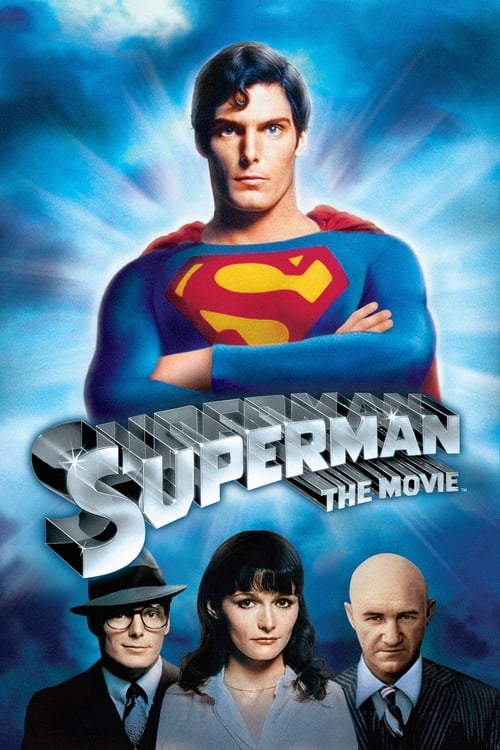
Superman - Review
A Man Can Fly: A Review of Richard Donner's "Superman" (1978)
Before the gritty realism of Christopher Nolan's "Dark Knight" trilogy, before the operatic grandeur of Zack Snyder's "Man of Steel," there was Richard Donner's "Superman" (1978). Released at a time when superhero films were still largely relegated to Saturday morning cartoons and campy television shows, "Superman" dared to take the genre seriously, imbuing it with a sense of wonder, hope, and genuine emotion. More than just a superhero film, it became a cultural phenomenon, cementing Superman's place in the collective consciousness and setting a gold standard for superhero adaptations that remains influential to this day. But does it still hold up after all these years? Let's take a closer look.
Plot: A Journey From Krypton to Metropolis
The film opens on Krypton, a technologically advanced but morally bankrupt planet on the verge of destruction. Jor-El (Marlon Brando), a brilliant scientist, sends his infant son, Kal-El, to Earth moments before Krypton explodes. This opening sequence, while visually striking for its time, feels somewhat protracted today. Brando's performance, while iconic, is arguably more about his paycheck than genuine emotional investment. However, it effectively establishes the stakes and the profound loss that Kal-El will ultimately experience.
We then transition to Smallville, Kansas, where Kal-El, now Clark Kent, is raised by the kindly farmers Jonathan (Glenn Ford) and Martha Kent (Phyllis Thaxter). These scenes are the heart of the film, beautifully portraying the values of truth, justice, and the American way that are instilled in Clark. Ford and Thaxter deliver understated but deeply affecting performances, conveying the love and wisdom that shape Clark into the hero he is destined to become. The pacing here is deliberate, allowing the audience to connect with Clark and understand his origins.
The film then jumps to Metropolis, where Clark begins his career as a reporter at the Daily Planet, working alongside the ambitious and resourceful Lois Lane (Margot Kidder). The dynamic between Clark and Lois is electric, fueled by Kidder's spirited performance and Christopher Reeve's masterful portrayal of both the bumbling Clark Kent and the confident Superman. The plot thickens as Lex Luthor (Gene Hackman), a brilliant but megalomaniacal businessman, hatches a plan to destroy the West Coast with a nuclear missile, using a complex real estate scheme to profit from the devastation.
While Luthor's plan might seem somewhat convoluted by today's standards, it serves as a clever commentary on corporate greed and the potential for technology to be used for nefarious purposes. The climax of the film, where Superman battles to stop the missile, is thrilling and visually impressive, showcasing the character's incredible powers and unwavering commitment to saving humanity.
Characters: From Humble Beginnings to Superhuman Heights
Clark Kent/Superman (Christopher Reeve): Reeve's portrayal of Superman is arguably the definitive one. He perfectly embodies both the awkwardness and vulnerability of Clark Kent and the strength and unwavering morality of Superman. Reeve's physicality is also remarkable, convincingly portraying the difference between the two personas through subtle changes in posture and demeanor. He doesn't just play Superman; he *is* Superman. His performance is the film's greatest strength.
Lois Lane (Margot Kidder): Kidder's Lois Lane is a far cry from the damsel in distress often seen in earlier depictions. She's intelligent, independent, and fearless, a capable reporter who is both intrigued and frustrated by Clark Kent. Kidder brings a refreshing energy and wit to the role, making Lois a compelling and relatable character. Her chemistry with Reeve is palpable, adding depth and believability to their relationship.
Lex Luthor (Gene Hackman): Hackman's Lex Luthor is a more comedic and flamboyant villain than some of the later interpretations. He's less about world domination and more about making a profit, a reflection of the film's satirical undertones. While some might find his portrayal too campy, Hackman delivers a memorable and entertaining performance, injecting the film with a much-needed dose of humor.
Jor-El (Marlon Brando): As mentioned earlier, Brando's performance is somewhat controversial. While his presence adds gravitas to the film, it often feels like he's phoning it in. The exorbitant fee he commanded for his relatively brief screen time also raises questions about the film's priorities. However, his portrayal of Jor-El as a loving father desperate to save his son is ultimately effective.
Jonathan and Martha Kent (Glenn Ford and Phyllis Thaxter): Ford and Thaxter deliver nuanced and touching performances as Clark's adoptive parents. They embody the values of hard work, honesty, and compassion that shape Clark's character. Their scenes are some of the most emotionally resonant in the film, grounding the fantastical elements in a relatable human experience.
Direction and Cinematography: A Vision of Hope and Wonder
Richard Donner's direction is masterful, striking a perfect balance between spectacle and emotion. He understands that Superman is more than just a superhero; he's a symbol of hope and inspiration. Donner infuses the film with a sense of optimism and wonder, creating a world that is both believable and fantastical. He also allows the actors to shine, drawing out compelling performances from the entire cast.
The cinematography, by Geoffrey Unsworth, is stunning. The film is visually rich, with vibrant colors and breathtaking landscapes. The flying sequences, while groundbreaking for their time, still hold up remarkably well, creating a sense of soaring freedom and exhilaration. Unsworth's use of light and shadow is also effective, creating a mood of both hope and danger.
The special effects, while dated by today's standards, were revolutionary for their time. The illusion of flight is particularly impressive, achieved through a combination of wires, blue screens, and clever camera angles. While some of the effects might look a bit cheesy now, they still contribute to the film's overall sense of wonder and escapism.
Themes and Messages: Truth, Justice, and the American Way
"Superman" is more than just a superhero film; it's a story about hope, redemption, and the importance of doing what's right. The film explores themes of identity, belonging, and the responsibility that comes with great power. Superman's unwavering commitment to truth, justice, and the American way (a phrase often parodied but genuinely embraced in this film) serves as a powerful reminder of the values that are worth fighting for.
The film also touches on themes of loss and grief, particularly through the destruction of Krypton and the death of Jonathan Kent. These events shape Clark's character and drive him to use his powers for good, ensuring that no one else suffers the same fate.
Furthermore, the film subtly critiques corporate greed and the potential for technology to be used for destructive purposes. Lex Luthor's plan to destroy the West Coast for profit serves as a cautionary tale about the dangers of unchecked ambition and the importance of ethical leadership.
Performances: A Cast That Soars
The performances in "Superman" are universally strong, with Christopher Reeve leading the way as the definitive Man of Steel. Margot Kidder's Lois Lane is a perfect foil to Reeve's Clark Kent, adding wit and intelligence to the role. Gene Hackman's Lex Luthor is a memorable and entertaining villain, while Marlon Brando and Glenn Ford provide gravitas and emotional depth.
Reeve's performance is particularly noteworthy. He masterfully portrays the duality of Clark Kent and Superman, creating two distinct characters with subtle but effective differences. He brings a sense of earnestness and sincerity to the role, making Superman a believable and relatable hero.
Kidder's performance is equally impressive. She brings a refreshing energy and independence to Lois Lane, making her a strong and capable character. Her chemistry with Reeve is palpable, adding depth and believability to their relationship.
Comparison to Other Films and Works
"Superman" set a new standard for superhero films, influencing countless adaptations that followed. Before "Superman," superhero films were often campy and low-budget, lacking the visual spectacle and emotional depth of Donner's film. "Superman" proved that superhero stories could be taken seriously, paving the way for films like "Batman" (1989), "X-Men" (2000), and the Marvel Cinematic Universe.
Compared to later Superman films, such as "Superman Returns" (2006) and "Man of Steel" (2013), Donner's "Superman" maintains a sense of optimism and wonder that is often lacking in more modern interpretations. While those films may offer more complex narratives and visually stunning special effects, they often sacrifice the heart and soul of the character.
Donner's previous work, such as "The Omen" (1976), demonstrated his ability to create suspense and build atmosphere. However, "Superman" showcases his versatility as a director, proving that he could also handle large-scale action sequences and create a sense of wonder and excitement.
Positive Aspects: A Timeless Classic
There are many reasons why "Superman" remains a classic. The film's strong performances, masterful direction, and groundbreaking special effects all contribute to its enduring appeal. But perhaps the most important reason is its unwavering sense of hope and optimism. In a world often filled with cynicism and despair, "Superman" offers a reminder that there is still good in the world, and that even one person can make a difference.
The film's score, composed by John Williams, is also iconic. The soaring theme is instantly recognizable and perfectly captures the spirit of the character. Williams' score elevates the film to another level, adding to its sense of grandeur and emotion.
The film's pacing is also well-managed, allowing the audience to connect with the characters and invest in their stories. The film takes its time to establish Clark's origins and his relationship with Lois Lane, creating a strong emotional foundation for the action sequences that follow.
Constructive Criticism: A Few Cracks in the Fortress of Solitude
While "Superman" is a classic, it's not without its flaws. The special effects, while groundbreaking for their time, are dated by today's standards. Some of the scenes, particularly the opening sequence on Krypton, feel somewhat protracted. And Gene Hackman's Lex Luthor, while entertaining, can sometimes feel too campy.
Furthermore, the film's plot, while relatively simple, can sometimes feel convoluted. Luthor's real estate scheme, in particular, requires a significant amount of exposition and can be difficult to follow. Some viewers might also find the film's ending, where Superman reverses time, to be a bit of a cheat.
Finally, Marlon Brando's performance, while iconic, can feel somewhat detached. His exorbitant fee and limited screen time raise questions about the film's priorities and whether his presence was truly necessary.
Conclusion: Still Soaring After All These Years
Despite its flaws, "Superman" remains a landmark achievement in superhero cinema. Richard Donner's masterful direction, Christopher Reeve's definitive portrayal of the Man of Steel, and the film's unwavering sense of hope and optimism make it a timeless classic. While the special effects may be dated by today's standards, the film's heart and soul remain intact. "Superman" is a film that can still inspire and entertain audiences of all ages, reminding us that even in the darkest of times, there is always hope for a brighter future.
It's a film that understands the core of what makes Superman so enduring: not just his powers, but his unwavering commitment to doing what's right, even when it's difficult. It's a film that celebrates the best of humanity, and reminds us that we all have the potential to be heroes in our own way.
For its groundbreaking achievement, its enduring legacy, and its unwavering sense of hope, I give "Superman" (1978) a rating of: