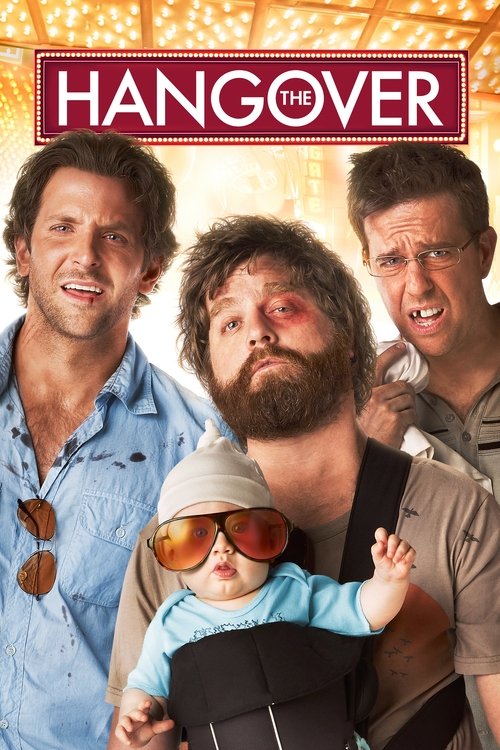
The Hangover - Review
The Hangover: A Comedic Masterpiece of Chaos and Friendship
The Hangover, released in 2009, wasn't just a movie; it was a cultural phenomenon. More than a decade later, its raunchy humor, unforgettable characters, and brilliantly structured narrative continue to resonate with audiences. But is it all just about the laughs? Or does The Hangover offer a deeper exploration of friendship, responsibility, and the pitfalls of letting loose? Let's dive into the chaos and uncover the comedic gold (and the occasional tiger) that makes this film a modern classic.
Plot: A Mystery Wrapped in a Hangover
The premise is simple, yet ingenious. Four friends – Doug (Justin Bartha), Phil (Bradley Cooper), Stu (Ed Helms), and Alan (Zach Galifianakis) – head to Las Vegas for Doug's bachelor party. What happens in Vegas is supposed to stay in Vegas, but in this case, the problem isn't revealing secrets; it's remembering what even happened in the first place. The morning after, Doug is missing, Stu's missing a tooth, there's a baby in the closet, and a tiger prowls the bathroom. The remaining three – Phil, Stu, and Alan – must piece together the events of the night to find Doug and get him to the wedding on time.
The brilliance of the plot lies in its non-linear structure. We, the audience, are experiencing the hangover alongside the characters. Each clue they uncover leads to a progressively more absurd and hilarious revelation. From a stolen police car to a run-in with Mike Tyson, the night unfolds like a twisted puzzle, each piece adding to the escalating absurdity. The mystery of Doug's disappearance isn't just a plot device; it's the driving force that binds the trio together, forcing them to confront their individual flaws and rely on each other to solve the increasingly outlandish situation.
The narrative structure also cleverly uses flashbacks, presented as Polaroid photos at the end of the film, to fill in the gaps and provide the full, unadulterated picture of the night's events. These photos are not just comedic payoffs; they also serve as visual reminders of the escalating chaos and the characters' descent into madness. They are the ultimate punchline, solidifying the film's reputation for unforgettable moments.
Characters: A Perfect Blend of Chaos and Neurosis
The success of The Hangover hinges on its characters, each a distinct archetype brought to life by exceptional performances.
Phil (Bradley Cooper)
Phil is the charismatic, confident leader of the pack. He's the alpha male, the one who organizes the trip and exudes an effortless cool. However, beneath the surface lies a restless spirit, a teacher who feels trapped in his mundane routine. Vegas is his escape, a chance to shed his responsibilities and embrace the wild side. Cooper perfectly captures Phil's swagger and underlying vulnerability, making him both likable and relatable.
Stu (Ed Helms)
Stu is the neurotic dentist, dominated by his controlling girlfriend, Melissa. He's the voice of reason, constantly trying to rein in the chaos, but ultimately gets swept up in the madness. Stu's arc is perhaps the most significant, as he undergoes a transformation from a timid pushover to a man who finally stands up for himself. Helms' portrayal of Stu's anxiety and eventual liberation is both hilarious and heartwarming.
Alan (Zach Galifianakis)
Alan is the wildcard, the socially awkward and utterly unpredictable brother of the bride. He's the source of much of the film's chaos, a man-child with a complete lack of social awareness. Galifianakis delivers a career-defining performance as Alan, imbuing him with a childlike innocence and an unwavering belief in his own eccentric logic. Alan is the film's comedic engine, and his bizarre antics are consistently laugh-out-loud funny.
Doug (Justin Bartha)
While Doug is the catalyst for the plot, he's also the least developed character. His absence for most of the film makes it difficult to connect with him on a deeper level. He serves primarily as the MacGuffin, the object that drives the plot forward. While Bartha's performance is adequate, Doug remains a relatively passive character, lacking the depth and complexity of the other three.
The dynamic between these four characters is what makes The Hangover so compelling. They are a mismatched group, each with their own flaws and quirks, but they share a deep bond of friendship. It's this bond that allows them to navigate the increasingly absurd situations they find themselves in and ultimately emerge stronger as a group.
Direction: Todd Phillips' Comedic Vision
Todd Phillips, known for his previous comedies like Road Trip and Old School, directs The Hangover with a confident hand. He masterfully balances the film's comedic elements with its underlying themes of friendship and responsibility. Phillips' direction is characterized by a fast-paced, energetic style that perfectly captures the chaotic atmosphere of Las Vegas and the characters' frantic search for Doug.
Phillips' use of visual gags and physical comedy is particularly effective. From Alan's awkward dance moves to Stu's missing tooth, the film is filled with memorable comedic moments that rely on visual storytelling. He also understands the importance of timing, allowing the jokes to land with maximum impact. The film's pacing is impeccable, never allowing the energy to flag.
However, some critics have argued that Phillips' direction relies too heavily on shock value and crude humor. While The Hangover is undoubtedly raunchy, its humor is often grounded in character and situation, rather than simply being gratuitous. Phillips understands that the best comedy comes from relatable characters in absurd situations, and he uses this formula to great effect.
Cinematography: Capturing the Glitz and Grime of Vegas
The cinematography of The Hangover, helmed by Lawrence Sher, plays a crucial role in establishing the film's tone and atmosphere. Sher captures the glitz and glamour of Las Vegas, but also exposes its underbelly. The bright lights and opulent casinos are juxtaposed with seedy motels and back alleys, creating a visually striking contrast.
The film's color palette is vibrant and saturated, reflecting the over-the-top nature of Vegas. The use of wide shots emphasizes the scale of the city and the characters' smallness in comparison. Close-ups are used to highlight the characters' expressions and reactions, allowing the audience to connect with them on a more personal level.
The cinematography also contributes to the film's comedic effect. The use of slow motion and exaggerated camera angles amplifies the absurdity of certain scenes, adding to the overall comedic impact. The visual storytelling is seamless, enhancing the narrative and creating a visually engaging experience.
Performances: A Comedic Ensemble at Their Best
The performances in The Hangover are uniformly excellent, with each actor perfectly embodying their respective character. As mentioned earlier, Bradley Cooper, Ed Helms, and Zach Galifianakis deliver career-defining performances. Their chemistry is undeniable, and their comedic timing is impeccable.
Cooper's portrayal of Phil is both charming and charismatic. He effortlessly embodies the role of the alpha male, but also reveals Phil's underlying vulnerability. Helms' performance as Stu is equally impressive. He perfectly captures Stu's anxiety and eventual liberation, making him a relatable and sympathetic character. Galifianakis steals every scene he's in as Alan. His portrayal of the socially awkward man-child is both hilarious and endearing.
The supporting cast is also strong. Ken Jeong delivers a memorable performance as Mr. Chow, a flamboyant and unpredictable gangster. Mike Tyson's cameo is surprisingly effective, adding to the film's surreal and comedic atmosphere. Heather Graham provides a welcome dose of sanity as Jade, a stripper with a heart of gold.
The success of The Hangover is largely due to the strength of its ensemble cast. Their chemistry and comedic timing are what make the film so memorable and enjoyable.
Themes and Messages: More Than Just a Laugh Riot
While The Hangover is primarily a comedy, it also explores deeper themes of friendship, responsibility, and the pitfalls of letting loose. The film highlights the importance of male bonding and the lengths that friends will go to for each other. Despite their differences and flaws, Phil, Stu, and Alan ultimately come together to help Doug, demonstrating the enduring power of friendship.
The film also explores the theme of responsibility. The characters' reckless behavior has consequences, and they must ultimately take responsibility for their actions. Stu's transformation from a timid pushover to a man who stands up for himself is a testament to the importance of personal growth and taking control of one's life.
The Hangover also serves as a cautionary tale about the dangers of excess. The characters' night of debauchery has disastrous consequences, highlighting the potential pitfalls of letting loose without considering the ramifications. The film suggests that while it's important to have fun and enjoy life, it's equally important to be responsible and mindful of one's actions.
Comparisons: From Animal House to Bridesmaids
The Hangover draws inspiration from a long line of raunchy comedies, including classics like Animal House and National Lampoon's Vacation. However, it distinguishes itself through its non-linear narrative structure and its focus on character development. Unlike many other comedies, The Hangover is not just about the jokes; it's also about the characters' journeys and their relationships with each other.
The film's success spawned a wave of similar comedies, including Due Date (which also stars Zach Galifianakis) and Bridesmaids. While these films share some of the same comedic elements as The Hangover, they often lack the originality and inventiveness of the original. Bridesmaids, however, deserves special mention for flipping the script and showcasing female-led raunchy comedy, proving that the genre isn't limited to male perspectives.
Todd Phillips' previous works, such as Road Trip and Old School, share a similar comedic sensibility to The Hangover. However, The Hangover is arguably his most successful and critically acclaimed film, showcasing his growth as a director and his ability to blend humor with heart.
Positive Aspects and Constructive Criticism
The Hangover excels in several areas. Its clever plot, memorable characters, exceptional performances, and confident direction make it a truly enjoyable and unforgettable comedic experience. The film's humor is often raunchy, but it's also grounded in character and situation, making it relatable and hilarious.
However, the film is not without its flaws. Doug's character is underdeveloped, and his absence for most of the film makes it difficult to connect with him. Some critics have also argued that the film relies too heavily on stereotypes and that its humor can be offensive at times. While these criticisms have some merit, they do not detract significantly from the film's overall entertainment value.
Additionally, the sequels, The Hangover Part II and The Hangover Part III, failed to recapture the magic of the original. They relied too heavily on repeating the same formula, resulting in diminishing returns. The original Hangover stands alone as a comedic masterpiece, while the sequels serve as a reminder that lightning rarely strikes twice.
Conclusion
The Hangover is more than just a raunchy comedy; it's a celebration of friendship, a cautionary tale about excess, and a masterclass in comedic timing. With its clever plot, memorable characters, exceptional performances, and confident direction, it has rightfully earned its place as a modern classic. While it's not without its flaws, its strengths far outweigh its weaknesses. It's a film that you can watch again and again and still find something new to laugh at. If you're looking for a hilarious and unforgettable comedic experience, The Hangover is definitely worth checking out.
Rating: 9/10