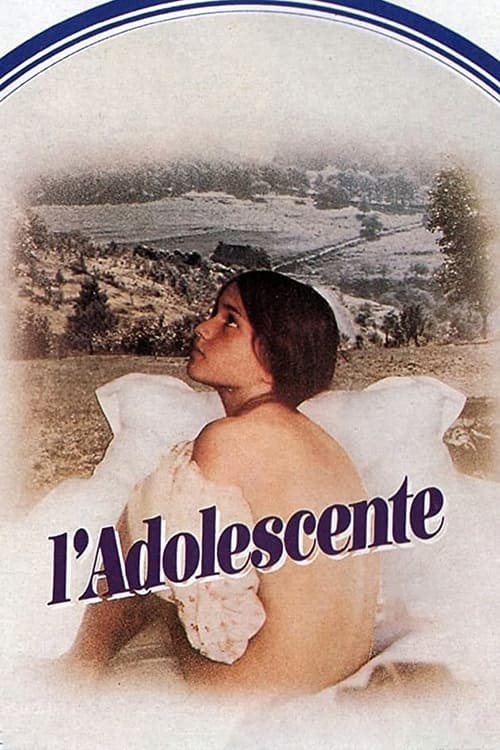
The Adolescent - Review
"The Adolescent": A Summer of Awakening and Unspoken Desires
Francoise Sagan's "The Adolescent" (L'Adolescente), released in 1979, is a film that lingers in the mind long after the credits roll. More than just a coming-of-age story, it's a delicate exploration of burgeoning sexuality, the complexities of family dynamics, and the quiet desperation simmering beneath the surface of pre-war Europe. Directed by Jeanne Moreau, a cinematic icon known for her own powerful performances, the film offers a nuanced and emotionally resonant experience. It's a film that invites introspection, prompting us to reflect on the universal experiences of adolescence, desire, and the bittersweet passage of time. But does it fully capture the essence of Sagan's literary style, and does Moreau succeed in translating the interior world of a young girl onto the screen? Let's delve into the sun-drenched fields of Avignon and unravel the intricacies of this poignant drama.
Plot and Narrative Structure: A Slow Burn of Discovery
The film unfolds during the summer of 1939 in a tranquil town near Avignon, France. Thirteen-year-old Marie, played with remarkable sensitivity by Laetitia Chauveau, arrives with her parents, Isabelle (Edith Clever) and Paul (Jacques Weber), to spend the holidays with her maternal grandparents. The idyllic setting provides a stark contrast to the undercurrent of unease that permeates the family's interactions. Marie, on the cusp of womanhood, finds herself increasingly aware of her own burgeoning sexuality and the subtle tensions between her parents.
The central conflict arises when Marie develops a powerful infatuation with Julien, a young Jewish doctor portrayed with understated charm by Simone Mareuil. Julien, however, is drawn to Marie's mother, Isabelle, creating a complex love triangle that remains largely unspoken. Marie's journey is one of observation and quiet suffering, as she grapples with her first crush, the realization that her affections are unrequited, and the unsettling awareness of her mother's own desires.
The narrative structure is deliberately paced, mirroring the languid atmosphere of summer. Moreau allows the story to unfold gradually, focusing on small moments and subtle gestures that reveal the characters' inner lives. This deliberate pacing, while effective in building atmosphere, can at times feel slow and uneventful, particularly for viewers accustomed to more fast-paced narratives. However, the film's strength lies in its ability to create a sense of mounting tension and unspoken desires, culminating in a poignant and emotionally charged finale.
Character Analysis: A Symphony of Unspoken Emotions
The success of "The Adolescent" hinges on the authenticity and depth of its characters. Moreau masterfully crafts individuals who are flawed, vulnerable, and deeply human.
Marie (Laetitia Chauveau)
Laetitia Chauveau delivers a stunning performance as Marie. She captures the awkwardness, curiosity, and emotional turmoil of adolescence with remarkable nuance. Marie is not a precocious or overtly rebellious teenager; instead, she is a quiet observer, internalizing her experiences and grappling with her newfound desires. Chauveau's expressive eyes and subtle gestures convey a wealth of emotion, making Marie a deeply sympathetic and relatable character. Her performance is a masterclass in understated acting, perfectly capturing the internal world of a young girl on the cusp of adulthood.
Isabelle (Edith Clever)
Edith Clever portrays Isabelle, Marie's mother, with a captivating blend of elegance and melancholy. Isabelle is a woman trapped in a loveless marriage, yearning for passion and excitement. Clever's performance is subtle yet powerful, hinting at the unspoken desires that simmer beneath her composed exterior. She expertly conveys Isabelle's inner conflict, torn between her responsibilities as a wife and mother and her own longing for connection. The tension between Isabelle and Marie adds a layer of complexity to the narrative, exploring the unspoken rivalry between mother and daughter for the attention of a man.
Julien (Simone Mareuil)
Simone Mareuil brings a quiet intensity to the role of Julien, the young Jewish doctor who becomes the object of Marie's affection. Julien is a compassionate and intelligent man, drawn to Isabelle's sophistication and worldliness. Mareuil portrays Julien with a sense of vulnerability and idealism, making him a sympathetic character despite his role in the film's central love triangle. The fact that he's Jewish adds another layer of complexity, subtly hinting at the rising tide of anti-Semitism in pre-war Europe, though this isn't a central theme of the film.
Paul (Jacques Weber)
Jacques Weber delivers a solid performance as Paul, Marie's father. Paul is a successful businessman, but he is emotionally distant and preoccupied with his own affairs. Weber portrays Paul as a man who is oblivious to his wife's unhappiness and his daughter's burgeoning sexuality. While his character is less developed than the others, Weber effectively conveys Paul's sense of detachment and his inability to connect with his family on an emotional level.
Direction and Cinematography: Painting a Portrait of Summer
Jeanne Moreau's direction is characterized by its sensitivity and attention to detail. She creates a visually stunning film, capturing the beauty of the French countryside with breathtaking cinematography. The film is bathed in warm, golden light, evoking the languid atmosphere of summer and creating a sense of nostalgia. The camera lingers on faces, capturing subtle expressions and unspoken emotions. Moreau's direction is deliberate and understated, allowing the story to unfold organically and the actors to shine.
The cinematography, by Jean Boffety, is particularly noteworthy. Boffety's use of natural light and his ability to capture the beauty of the French landscape create a visually rich and evocative experience. The film's color palette is warm and inviting, with a focus on earthy tones and golden hues. The camera movements are fluid and graceful, creating a sense of intimacy and drawing the viewer into the characters' inner world. The cinematography perfectly complements Moreau's direction, enhancing the film's emotional impact.
Themes and Messages: Love, Loss, and the Dawn of Awareness
"The Adolescent" explores several profound themes, including:
Coming-of-Age
The film is fundamentally a coming-of-age story, charting Marie's journey from childhood innocence to the dawn of sexual awareness. Her infatuation with Julien marks a significant turning point in her life, forcing her to confront her own desires and the complexities of adult relationships. The film captures the awkwardness, confusion, and emotional turmoil of adolescence with remarkable sensitivity.
Unrequited Love
The theme of unrequited love is central to the film's narrative. Marie's infatuation with Julien is ultimately unfulfilled, leading to heartbreak and a painful realization of her own vulnerability. The film explores the bittersweet nature of first love, capturing the intensity of emotions and the inevitable disappointment that often accompanies it.
Family Dynamics
The film delves into the complex dynamics within Marie's family. The strained relationship between Isabelle and Paul, the unspoken rivalry between mother and daughter, and the emotional distance between parents and child all contribute to the film's underlying sense of unease. "The Adolescent" suggests that even within seemingly idyllic families, there can be hidden tensions and unspoken desires that simmer beneath the surface.
The Shadow of War
Set in the summer of 1939, the film is subtly infused with a sense of impending doom. The threat of war looms in the background, casting a shadow over the characters' lives and adding a layer of poignancy to their experiences. Julien's Jewish identity further underscores the precariousness of the times, hinting at the persecution and suffering that lie ahead. While not explicitly addressed, the historical context adds depth and resonance to the film's themes.
Female Desire and Perspective
Moreau, as a female director, brings a unique perspective to the story, particularly in her portrayal of female desire. The film explores the complexities of Isabelle's longing for passion and connection, as well as Marie's burgeoning sexuality. "The Adolescent" offers a nuanced and sensitive portrayal of female characters, giving voice to their unspoken desires and emotions.
Performances: A Cast of Quiet Brilliance
The film's success is largely due to the outstanding performances of its cast. Laetitia Chauveau delivers a breakthrough performance as Marie, capturing the character's innocence, curiosity, and emotional vulnerability with remarkable nuance. Edith Clever is equally impressive as Isabelle, conveying the character's inner turmoil with subtle gestures and expressive eyes. Simone Mareuil brings a quiet intensity to the role of Julien, while Jacques Weber provides a solid performance as the emotionally distant Paul. The entire cast works together seamlessly, creating a believable and emotionally resonant family dynamic.
Comparison to Other Films and Works
"The Adolescent" can be compared to other coming-of-age films that explore similar themes of sexual awakening and family dynamics. Films like "Murmur of the Heart" (Le Souffle au cœur) by Louis Malle, which also deals with a young boy's exploration of sexuality within a complex family context, share thematic similarities. However, "The Adolescent" is more restrained and subtle in its approach, focusing on the interior world of its protagonist rather than explicit depictions of sexual encounters.
In terms of Jeanne Moreau's directorial style, "The Adolescent" shares similarities with her other films, such as "Lumière," which she also wrote and directed. Both films are characterized by their sensitive portrayal of female characters and their exploration of complex relationships. Moreau's films often focus on the inner lives of women, giving voice to their unspoken desires and emotions. Her directorial style is understated and observant, allowing the actors to shine and the story to unfold naturally.
While "The Adolescent" is based on a novel, it doesn't necessarily bear the hallmarks of a direct adaptation. Sagan's literary style is known for its sharp wit and elegant prose. While the film captures the essence of Sagan's themes, it lacks the distinctive voice and stylistic flair that characterize her writing. The film is more of a loose interpretation of the novel, focusing on the emotional core of the story rather than a literal translation of the text.
Positive Aspects
- Exceptional Performances: The cast, particularly Laetitia Chauveau and Edith Clever, delivers nuanced and emotionally resonant performances.
- Beautiful Cinematography: Jean Boffety's cinematography captures the beauty of the French countryside and creates a visually stunning film.
- Sensitive Direction: Jeanne Moreau's direction is characterized by its sensitivity and attention to detail, allowing the story to unfold organically.
- Exploration of Complex Themes: The film delves into profound themes such as coming-of-age, unrequited love, and family dynamics.
- Atmospheric Setting: The film's setting in pre-war France creates a sense of impending doom and adds depth to the narrative.
Constructive Criticism
- Slow Pacing: The film's deliberate pacing can at times feel slow and uneventful, particularly for viewers accustomed to more fast-paced narratives.
- Lack of Explicit Conflict: The film's conflicts are largely unspoken, which can make it feel somewhat passive and lacking in dramatic tension.
- Subtle Themes: The film's themes, while profound, are often presented in a subtle and understated manner, which may not appeal to all viewers.
- Limited Historical Context: While the film is set in pre-war France, it doesn't fully explore the historical context or the rise of anti-Semitism.
- Loose Adaptation: The film is more of a loose interpretation of Sagan's novel, lacking the distinctive voice and stylistic flair of her writing.
Conclusion
"The Adolescent" is a beautifully crafted and emotionally resonant film that explores the complexities of adolescence, desire, and family dynamics. While its slow pacing and subtle themes may not appeal to all viewers, the film's exceptional performances, stunning cinematography, and sensitive direction make it a worthwhile cinematic experience. Jeanne Moreau's film is a poignant and thought-provoking exploration of the human condition, reminding us of the bittersweet nature of growing up and the enduring power of unspoken emotions. It's a film that stays with you long after the credits roll, prompting you to reflect on your own experiences of love, loss, and the passage of time. While not a perfect film, "The Adolescent" is a testament to the power of understated storytelling and the enduring appeal of coming-of-age narratives.