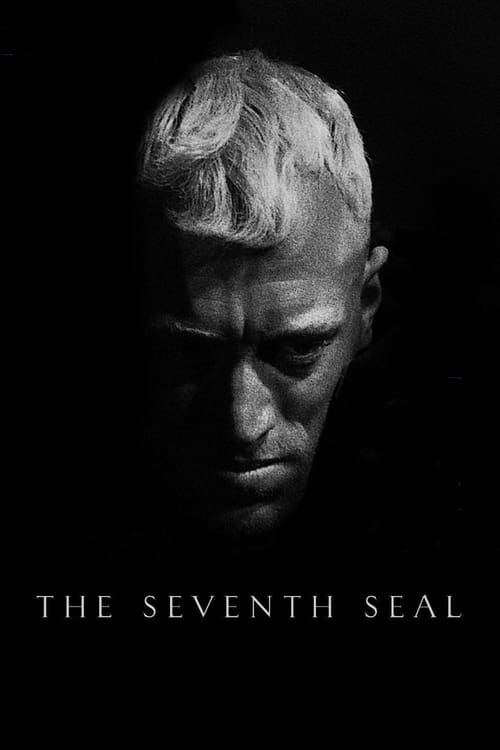
The Seventh Seal - Review
The Seventh Seal: A Timeless Chess Match with Mortality
Ingmar Bergman's The Seventh Seal, released in 1957, is not just a film; it's an experience. A profound meditation on life, death, faith, and the search for meaning in a seemingly meaningless world, it resonates just as powerfully today as it did over six decades ago. This isn't your typical Sunday afternoon entertainment; it's a demanding, thought-provoking journey into the human condition, disguised as a medieval tale of a knight playing chess with Death himself. Prepare to be challenged, moved, and ultimately, transformed.
Plot Summary: A Knight's Desperate Gambit
The film opens with Antonius Block (Max von Sydow), a disillusioned knight, returning to Sweden after a decade fighting in the Crusades. He finds his homeland ravaged by the Black Death, a plague that decimates the population and casts a long, dark shadow over everything. Almost immediately upon landing on the desolate shores, Block encounters Death (Bengt Ekerot), a cloaked and hooded figure ready to claim his soul. Desperate to find meaning before his inevitable demise, Block proposes a game of chess, hoping to buy time and perhaps, just perhaps, discover the answers he seeks.
The chess game becomes a central metaphor for Block's struggle against fate and his quest for understanding. As the game progresses, Block encounters various individuals: the cynical squire Jöns (Gunnar Björnstrand), a traveling family of actors, Jof (Nils Poppe) and Mia (Bibi Andersson), and their infant son, Mikael. Jof, blessed with visions, can see Death, adding another layer of surrealism to the narrative. Block, deeply tormented by the apparent silence of God, becomes increasingly determined to perform one meaningful act before he dies, a selfless deed that will somehow validate his existence. His journey is punctuated by encounters with flagellants, a condemned witch, and other victims of the plague, each interaction further fueling his existential angst.
Characters: Archetypes of Existential Dread
The Seventh Seal boasts a cast of characters that are both deeply human and archetypal representations of different responses to mortality.
Antonius Block: The Questioning Knight
Block is the heart of the film, a man grappling with profound doubts about God, life, and death. He's not a flawless hero; he's tormented, often selfish in his pursuit of answers, and prone to moments of despair. Max von Sydow's portrayal is masterful, conveying Block's internal struggle with a quiet intensity. His expressive eyes and stoic demeanor perfectly capture the knight's inner turmoil.
Death: The Impartial Arbiter
Bengt Ekerot's Death is not a menacing monster, but rather a weary, almost philosophical figure. He's not driven by malice, but by duty. His pale face, framed by the dark hood, is a constant reminder of mortality's inevitability. Death is not merely an antagonist; he's a conversationalist, engaging Block in intellectual debates about the meaning of life and the existence of God. He's both terrifying and strangely sympathetic.
Jöns: The Cynical Squire
Jöns, Block's squire, provides a counterpoint to the knight's existential angst. He's pragmatic, cynical, and focused on the immediate realities of survival. He sees the hypocrisy and cruelty of the world with clear eyes and offers a sharp, often humorous commentary on the events unfolding around them. Gunnar Björnstrand delivers a memorable performance, injecting much-needed levity into the film's somber atmosphere.
Jof and Mia: Innocence Amidst Despair
Jof and Mia, the traveling actors, represent innocence, hope, and the simple joys of life. Their love for each other and their child provides a stark contrast to the surrounding despair. Jof's visions offer glimpses of the supernatural, while Mia's warmth and nurturing spirit offer Block a fleeting sense of peace. They are a beacon of light in the darkness, reminding the audience of the beauty that can still be found even in the face of death. Bibi Andersson is particularly captivating as Mia, radiating a gentle strength and unwavering optimism.
Directorial Vision: Bergman's Masterpiece
Ingmar Bergman's direction in The Seventh Seal is nothing short of masterful. He creates a world that is both realistic and symbolic, grounding the film in the harsh realities of medieval life while simultaneously exploring profound philosophical themes. His use of symbolism is deliberate and effective, from the chess game itself to the stark black and white cinematography. He expertly balances moments of intense drama with moments of quiet reflection, allowing the audience to fully immerse themselves in the characters' emotional journeys.
Bergman's genius lies in his ability to create a sense of unease and foreboding throughout the film. The presence of Death is always felt, even when he's not explicitly on screen. The film's pacing is deliberate, allowing the themes to unfold gradually and leaving the audience with ample time to contemplate the questions being raised. His collaboration with cinematographer Gunnar Fischer is crucial to the film's success, creating a visual landscape that is both beautiful and haunting.
Cinematography: Black and White Poetry
The black and white cinematography of The Seventh Seal is integral to its impact. Gunnar Fischer's masterful use of light and shadow creates a visual world that is both stark and beautiful. The high contrast emphasizes the film's themes of good and evil, life and death, and faith and doubt. The bleak landscapes and desolate settings perfectly reflect the despair and hopelessness that permeate the film.
The cinematography is not merely aesthetically pleasing; it actively contributes to the film's narrative. The close-ups of the characters' faces, particularly Max von Sydow's, reveal their inner turmoil and emotional depth. The wide shots of the Swedish countryside emphasize the vastness and emptiness of the world, highlighting the insignificance of human existence in the face of eternity. The iconic image of Death leading the characters in a "dance macabre" silhouetted against the stormy sky is a testament to the power of visual storytelling.
Performances: A Cast of Legends
The performances in The Seventh Seal are universally excellent. Max von Sydow's portrayal of Antonius Block is a career-defining performance, capturing the knight's inner conflict with nuance and intensity. Bengt Ekerot's Death is both chilling and strangely compelling, adding a layer of complexity to the character. Gunnar Björnstrand's Jöns provides much-needed comedic relief without diminishing the film's overall seriousness. Bibi Andersson shines as Mia, radiating warmth and hope amidst the darkness. The supporting cast is equally strong, each actor bringing their character to life with authenticity and conviction.
The chemistry between the actors is palpable, creating a sense of realism that draws the audience into the story. Bergman's skillful direction elicits powerful and emotionally resonant performances from his cast, making the film a truly unforgettable cinematic experience.
Themes and Messages: Existential Angst and the Search for Meaning
The Seventh Seal is a rich tapestry of themes and messages, exploring fundamental questions about the human condition. The film grapples with issues such as:
The Existence of God:
Block's central struggle is his search for proof of God's existence. He desperately seeks a sign, a revelation that will validate his faith and alleviate his existential angst. The film offers no easy answers, leaving the question open for interpretation. The silence of God is a recurring motif, highlighting the uncertainty and ambiguity that often accompany religious belief.
The Meaning of Life:
In the face of death, Block questions the purpose of his existence. He wonders if his life has been meaningful, if he has made a difference in the world. His encounter with Jof and Mia, and his eventual act of self-sacrifice, suggest that meaning can be found in simple acts of kindness and love.
The Inevitability of Death:
Death is a constant presence in the film, a reminder of the fragility of life. The Black Death serves as a backdrop, emphasizing the pervasive nature of mortality. The film explores different responses to death, from fear and despair to acceptance and even defiance.
The Power of Faith and Doubt:
The film examines the complex relationship between faith and doubt. Block's unwavering faith is shaken by his experiences in the Crusades and the horrors of the plague. He struggles to reconcile his belief in God with the suffering he witnesses. The film suggests that doubt is an essential part of faith, a necessary process of questioning and exploration.
The Importance of Human Connection:
Amidst the chaos and despair, the film highlights the importance of human connection. Block's interactions with Jof, Mia, and Jöns provide him with moments of solace and hope. The film suggests that even in the face of death, human relationships can offer meaning and purpose.
Comparisons: Echoes of Bergman and Beyond
The Seventh Seal is often compared to other films that explore similar themes of mortality and existentialism. Bergman's own filmography, particularly Wild Strawberries and Persona, shares similar concerns with identity, faith, and the human condition. Akira Kurosawa's Ikiru, released in 1952, also explores the theme of finding meaning in life in the face of death.
In more contemporary cinema, films like The Tree of Life by Terrence Malick and Melancholia by Lars von Trier grapple with similar existential questions, albeit with different stylistic approaches. The Seventh Seal stands apart, however, due to its unique blend of historical setting, philosophical inquiry, and symbolic imagery. Its influence can be seen in countless films and television shows that have borrowed its iconic imagery and themes.
While The Seventh Seal is a product of its time, its themes are universal and timeless. Its exploration of faith, doubt, and the search for meaning resonates with audiences of all generations, making it a truly enduring work of art.
Positive Aspects: A Cinematic Masterpiece
The Seventh Seal is a cinematic triumph on many levels. Its profound exploration of existential themes, its masterful direction, its stunning black and white cinematography, and its unforgettable performances all contribute to its status as a masterpiece. The film's symbolic imagery is both beautiful and thought-provoking, inviting viewers to engage with the film on a deeper level. Its ability to provoke introspection and philosophical debate is a testament to its enduring power.
Bergman's skillful blending of historical setting and philosophical inquiry creates a unique and compelling cinematic experience. The film's pacing is deliberate and effective, allowing the themes to unfold gradually and leaving the audience with ample time to contemplate the questions being raised. The chemistry between the actors is palpable, creating a sense of realism that draws the audience into the story. The Seventh Seal is a film that stays with you long after the credits have rolled, prompting you to question your own beliefs and values.
Constructive Criticism: A Few Minor Flaws
While The Seventh Seal is undoubtedly a masterpiece, it is not without its minor flaws. Some viewers may find the film's pacing to be slow at times, particularly in the extended dialogue sequences. The film's heavy reliance on symbolism may also alienate some viewers who prefer a more straightforward narrative. While the black and white cinematography is stunning, some may find it visually monotonous at times.
Furthermore, the film's relentlessly bleak tone may be off-putting to some viewers. While the film does offer moments of hope and beauty, it is ultimately a somber and introspective experience. However, these minor flaws are ultimately overshadowed by the film's overall brilliance and its profound impact on cinema.
Conclusion: A Timeless and Essential Film
The Seventh Seal is a film that demands to be seen, discussed, and pondered. It's not a lighthearted escape, but a challenging and rewarding exploration of the human condition. It's a film that stays with you long after the credits roll, prompting reflection on life, death, faith, and the search for meaning. While its themes are weighty, its execution is masterful, making it an enduring classic of world cinema. It's a film that deserves its place in the pantheon of great films and continues to resonate with audiences today.
It's a masterpiece that transcends time and culture, prompting us to confront our own mortality and to question the meaning of our existence. For its profound themes, masterful direction, stunning cinematography, and unforgettable performances, The Seventh Seal earns a well-deserved:
Rating: 10/10