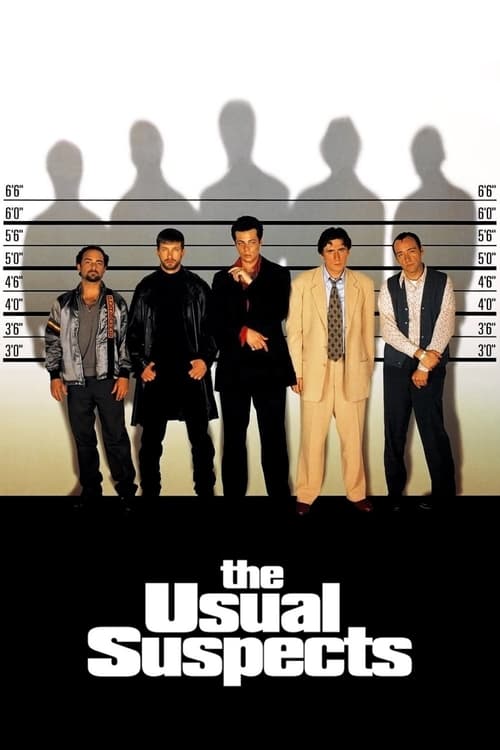
The Usual Suspects - Review
The Usual Suspects: A Masterclass in Misdirection and Myth
Bryan Singer's The Usual Suspects, released in 1995, isn't just a crime thriller; it's a meticulously crafted puzzle box, a labyrinth of unreliable narration, and a chilling exploration of the power of suggestion. Even decades after its release, the film continues to captivate audiences with its intricate plot, memorable characters, and the lingering question: Who is Keyser Soze? More than just a twist ending, The Usual Suspects is a journey into the heart of darkness, where perception becomes reality and the line between truth and fiction blurs into oblivion. Prepare to have your expectations subverted, your assumptions challenged, and your mind thoroughly played with.
Plot: A Tangled Web of Deceit
The narrative unfolds primarily through the testimony of Roger "Verbal" Kint (Kevin Spacey), a con man with cerebral palsy, to U.S. Customs Agent Dave Kujan (Chazz Palminteri). Kint recounts the events leading up to a devastating explosion on a freighter in San Pedro Bay, which left 27 men dead and millions of dollars missing. His story involves a motley crew of criminals, each with their own specialties and checkered pasts: Dean Keaton (Gabriel Byrne), a former cop trying to go straight; Michael McManus (Stephen Baldwin), a volatile and impulsive thief; Fred Fenster (Benicio del Toro), a mumbling and unpredictable fence; and Todd Hockney (Kevin Pollak), a quick-tempered explosives expert.
According to Kint, the five men were brought together seemingly by chance, arrested and thrown into a police lineup due to their suspected involvement in a truck hijacking. Frustrated by their unjust detainment, they decide to band together and pull off a series of increasingly daring heists. Their initial targets are corrupt cops and jewelers, but their actions soon attract the attention of a mysterious lawyer named Kobayashi (Pete Postlethwaite), who claims to represent the legendary and terrifying crime lord, Keyser Soze.
Kobayashi informs the group that they are indebted to Soze for past transgressions and coerces them into undertaking a dangerous mission: to destroy a shipment of drugs aboard the freighter in San Pedro. The catch? They are not told what the drugs are, who they belong to, or the true identity of the man they are supposed to kill onboard. As the heist unfolds, paranoia, betrayal, and violence escalate, culminating in the explosive climax and the revelation of Keyser Soze's supposed presence.
The brilliance of the plot lies in its ambiguity and the unreliable nature of Kint's narration. The film constantly challenges the audience to question what they are seeing and hearing, forcing them to piece together the fragments of truth hidden within Kint's elaborate story. The non-linear structure, flashbacks, and shifting perspectives contribute to the overall sense of disorientation and uncertainty, making the final twist all the more impactful.
Characters: A Gallery of Rogues and Pawns
The Usual Suspects boasts a cast of compelling and morally ambiguous characters, each with their own motivations and secrets. While Kint serves as the central narrator, the other members of the criminal group are equally fascinating and contribute to the film's overall sense of intrigue.
- Verbal Kint (Kevin Spacey): The seemingly harmless and unassuming narrator, Kint is a master manipulator who uses his physical disability to his advantage. He is intelligent, observant, and possesses a remarkable ability to craft elaborate lies. Spacey's performance is a tour de force, subtly hinting at the darkness that lies beneath Kint's meek exterior.
- Dean Keaton (Gabriel Byrne): A former cop with a troubled past, Keaton is trying to escape his criminal reputation and start a new life. He is portrayed as the reluctant leader of the group, torn between his desire for redemption and the lure of easy money. Byrne brings a sense of world-weariness and vulnerability to the character, making him the most sympathetic of the five.
- Michael McManus (Stephen Baldwin): A hot-headed and impulsive thief, McManus is the wildcard of the group. He is quick to anger and prone to violence, making him a volatile and unpredictable presence. Baldwin's portrayal captures McManus's recklessness and lack of self-control.
- Fred Fenster (Benicio del Toro): A mumbling and enigmatic fence, Fenster is difficult to understand but undeniably dangerous. His cryptic speech and unpredictable behavior add to the film's overall sense of mystery. Del Toro's performance is memorable for its quirky and unsettling quality.
- Todd Hockney (Kevin Pollak): An explosives expert with a short fuse, Hockney is the most outspoken and confrontational member of the group. He is easily provoked and often clashes with the other criminals. Pollak brings a sense of comedic relief to the character, but also highlights his underlying insecurity and paranoia.
- Dave Kujan (Chazz Palminteri): The determined and skeptical customs agent, Kujan serves as the audience's surrogate. He is intelligent and perceptive, but ultimately falls victim to Kint's masterful deception. Palminteri's performance is grounded and realistic, providing a counterpoint to the more flamboyant characters.
- Kobayashi (Pete Postlethwaite): The enigmatic lawyer who represents Keyser Soze, Kobayashi is a menacing and imposing figure. He exudes an air of authority and control, instilling fear and obedience in those around him. Postlethwaite's performance is chilling and unforgettable.
The film's strength lies in its ability to create characters who are both believable and intriguing. Each member of the criminal group is flawed and morally compromised, but they are also undeniably human. Their interactions are tense and unpredictable, reflecting the inherent distrust and paranoia that permeate their world.
Direction and Cinematography: Crafting an Atmosphere of Suspense
Bryan Singer's direction is masterful, creating a sense of tension and suspense from the opening scene to the final reveal. He skillfully manipulates the audience's perspective, using flashbacks, slow-motion sequences, and close-ups to heighten the drama and create a sense of unease.
The film's cinematography, by Newton Thomas Sigel, is equally impressive. The use of shadows and low-key lighting creates a dark and atmospheric mood, reflecting the moral ambiguity of the characters and the seedy underworld they inhabit. The camera work is dynamic and fluid, constantly shifting perspectives and drawing the audience into the heart of the action.
The editing, by John Ottman (who also composed the score), is tight and precise, seamlessly weaving together the various timelines and perspectives. The pacing is deliberate, allowing the tension to build gradually and culminating in a shocking and unforgettable climax.
Singer's direction and Sigel's cinematography work in perfect harmony to create a visually stunning and emotionally engaging film. The use of light and shadow, coupled with the dynamic camera work, creates a sense of unease and paranoia that permeates the entire narrative.
Performances: A Showcase of Acting Talent
The Usual Suspects features a stellar ensemble cast, each delivering a memorable and nuanced performance. Kevin Spacey's portrayal of Verbal Kint is particularly noteworthy, earning him an Academy Award for Best Supporting Actor. He perfectly captures Kint's meekness and vulnerability, while also hinting at the darkness that lies beneath the surface.
Gabriel Byrne delivers a powerful and understated performance as Dean Keaton, conveying the character's internal conflict and his struggle to escape his criminal past. Stephen Baldwin is convincing as the volatile and unpredictable Michael McManus, while Benicio del Toro steals every scene he's in as the mumbling and enigmatic Fred Fenster.
Chazz Palminteri is excellent as the determined and skeptical Agent Kujan, providing a grounded and realistic counterpoint to the more flamboyant characters. Pete Postlethwaite is chilling as the imposing Kobayashi, instilling fear and obedience in those around him.
The film's success is due in no small part to the strength of its ensemble cast. Each actor brings their A-game, creating characters who are both believable and compelling. The chemistry between the actors is palpable, adding to the film's overall sense of authenticity.
Themes and Messages: Deception, Trust, and the Nature of Evil
The Usual Suspects explores several complex themes, including deception, trust, and the nature of evil. The film challenges the audience to question what they are seeing and hearing, highlighting the power of perception and the ease with which we can be manipulated.
The theme of trust is central to the narrative. The characters are constantly betraying each other, and the audience is never quite sure who to believe. The film suggests that trust is a luxury that criminals cannot afford, and that betrayal is an inevitable part of their world.
The film also delves into the nature of evil, exploring the motivations and actions of Keyser Soze. Soze is portrayed as a mythic figure, a boogeyman who inspires fear and terror. The film suggests that evil is not always easily identifiable, and that it can manifest in unexpected ways.
Ultimately, The Usual Suspects is a cautionary tale about the dangers of deception and the importance of critical thinking. The film reminds us that appearances can be deceiving, and that we should always question the narratives we are presented with.
Comparison to Similar Films and Previous Works
The Usual Suspects is often compared to other crime thrillers that feature unreliable narrators and twist endings, such as The Sixth Sense and Fight Club. However, The Usual Suspects stands out for its intricate plot, memorable characters, and its exploration of the nature of evil.
Bryan Singer's previous work, including Public Access, showcased his talent for creating suspenseful and atmospheric narratives. However, The Usual Suspects marked a significant step forward in his career, establishing him as a major directorial talent.
Kevin Spacey's performance in The Usual Suspects is often compared to his other roles as manipulative and enigmatic characters, such as John Doe in Seven. However, his portrayal of Verbal Kint is arguably his most iconic and memorable role.
Positive Aspects
- Intricate and Suspenseful Plot: The film's non-linear narrative and unreliable narration keep the audience guessing until the very end.
- Memorable Characters: The characters are well-developed and morally ambiguous, making them both believable and intriguing.
- Stellar Performances: The ensemble cast delivers outstanding performances, particularly Kevin Spacey as Verbal Kint.
- Masterful Direction and Cinematography: Bryan Singer's direction and Newton Thomas Sigel's cinematography create a dark and atmospheric mood.
- Thought-Provoking Themes: The film explores complex themes such as deception, trust, and the nature of evil.
Constructive Criticism
- Complexity Can Be Confusing: The intricate plot and shifting perspectives can be confusing for some viewers, requiring multiple viewings to fully grasp.
- Pacing Can Be Slow: The deliberate pacing may not appeal to all viewers, as the film takes its time to build suspense.
- Reliance on Twist Ending: Some critics argue that the film relies too heavily on its twist ending, which may overshadow the other merits of the film.
Conclusion and Rating
The Usual Suspects is a cinematic masterpiece, a brilliantly crafted crime thriller that continues to captivate and challenge audiences. Its intricate plot, memorable characters, stellar performances, and thought-provoking themes make it a must-see for any film enthusiast. While the complexity of the narrative may be daunting for some, the rewards are well worth the effort. Bryan Singer's direction is masterful, and the ensemble cast delivers career-defining performances. The Usual Suspects is a film that stays with you long after the credits roll, prompting endless discussions and debates about its meaning and interpretation.
Rating: 9.5/10