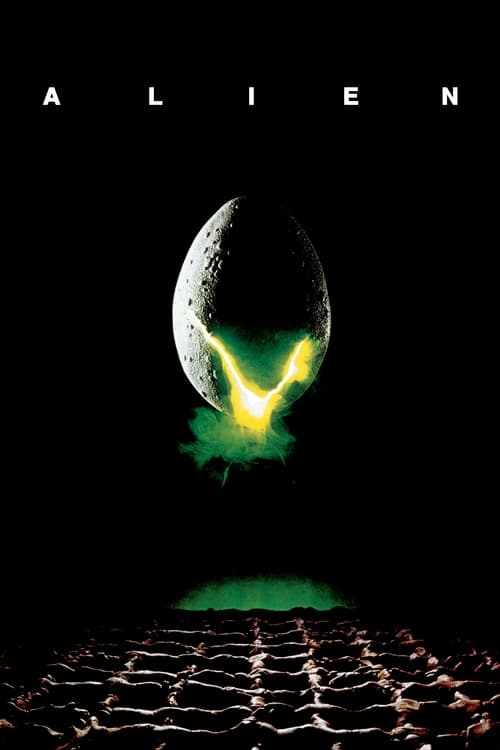
Alien - Review
A Symphony of Fear: A Review of Ridley Scott's "Alien"
In the cold vacuum of space, no one can hear you scream. This chilling tagline perfectly encapsulates the terrifying experience that is Ridley Scott's 1979 masterpiece, "Alien." More than just a monster movie, "Alien" is a masterclass in suspense, a visceral exploration of fear, and a groundbreaking achievement in science fiction horror. Forty-five years later, it continues to haunt audiences, cementing its place as a cinematic landmark. But does it still hold up under the scrutiny of modern eyes? Let's delve into the dark corridors of the Nostromo and find out.
Plot: A Descent into Paranoia
The film opens with the commercial towing vehicle Nostromo awakening its crew from hypersleep. Their mission: to transport a vast quantity of mineral ore back to Earth. The monotony of their routine is shattered when the ship's computer, Mother, intercepts a distress signal from a nearby, uncharted planetoid. Corporate protocol dictates they investigate. A landing party, consisting of Captain Dallas, Kane, and Lambert, venture onto the desolate surface, discovering a derelict alien spacecraft. Inside, they find a chamber filled with thousands of large, leathery eggs. The seemingly dormant atmosphere is abruptly shattered when a facehugger bursts from one of the eggs and attaches itself to Kane.
Back on the Nostromo, the crew struggles to remove the creature. Science Officer Ash, under direct orders from the Weyland-Yutani corporation, prevents them from using force. Eventually, the facehugger detaches and Kane appears to recover. The crew breathes a collective sigh of relief, unaware that the worst is yet to come. During a seemingly normal meal, Kane suffers a violent seizure, and a monstrous alien creature, the Chestburster, erupts from his chest, killing him instantly and escaping into the ship.
What follows is a desperate hunt for the alien, which rapidly grows and becomes increasingly lethal. The crew, one by one, falls victim to the creature's relentless attacks. The tension escalates as they realize the corporation is more interested in acquiring the alien as a weapon than in their safety. Ripley, the warrant officer, emerges as the de facto leader, forced to confront not only the alien but also the treacherous motivations of her corporate overlords. The final act sees Ripley as the sole survivor, battling the Xenomorph in a desperate attempt to destroy it and escape the self-destructing Nostromo.
Characters: More Than Just Alien Fodder
While the alien is undoubtedly the star of the show, the strength of "Alien" lies in its well-developed and relatable characters. They are not cardboard cutouts designed solely to be victims. Instead, they are ordinary working-class individuals thrust into an extraordinary and terrifying situation.
- Ripley (Sigourney Weaver): From warrant officer to iconic heroine, Ripley's transformation is the heart of the film. Initially cautious and by-the-book, she displays remarkable courage and resourcefulness as the situation deteriorates. Weaver's performance is grounded and believable, making Ripley a relatable and compelling protagonist. Her strength isn't born of superhuman abilities but from her sheer will to survive.
- Dallas (Tom Skerritt): The stoic and experienced Captain, Dallas embodies the burden of leadership. He struggles to maintain control in the face of unimaginable horror, ultimately sacrificing himself in a desperate attempt to flush out the alien.
- Kane (John Hurt): Kane's fate is perhaps the most iconic in the film. He represents the crew's initial innocence and vulnerability. The Chestburster scene remains a shocking and unforgettable moment in cinematic history.
- Lambert (Veronica Cartwright): The navigator, Lambert, is often portrayed as the most emotionally vulnerable member of the crew. Her fear and panic are realistic and relatable, reflecting the sheer terror of their situation.
- Ash (Ian Holm): The seemingly calm and collected science officer, Ash, harbors a dark secret. His revelation as an android, programmed to protect the alien at all costs, adds another layer of paranoia and betrayal to the narrative. Holm's performance is chillingly detached, making Ash a truly unsettling antagonist.
- Parker (Yaphet Kotto) & Brett (Harry Dean Stanton): The engineers, Parker and Brett, provide a working-class perspective, primarily concerned with their pay and the condition of the ship. Their pragmatic approach to the situation offers a counterpoint to the more idealistic or scientific viewpoints of other crew members.
The ensemble cast works brilliantly together, creating a believable sense of camaraderie and tension within the confined spaces of the Nostromo. Their interactions feel natural and authentic, making their ultimate demise all the more impactful.
Direction: A Masterclass in Suspense
Ridley Scott's direction is nothing short of masterful. He understands that true horror lies not in gratuitous gore, but in building suspense and creating a sense of dread. He uses slow pacing, claustrophobic settings, and subtle visual cues to create an atmosphere of palpable tension. The alien is rarely seen in its entirety, allowing the audience's imagination to fill in the gaps, making it all the more terrifying.
Scott's attention to detail is evident in every frame. The Nostromo feels like a real, working spaceship, complete with cluttered corridors, flickering lights, and a pervasive sense of decay. This realism grounds the film and makes the horror all the more believable. The use of practical effects, rather than CGI, adds to the film's visceral impact. The Chestburster scene, in particular, remains a shocking and unforgettable moment due to its realism and brutality. Scott masterfully manipulates the audience's expectations, creating moments of genuine surprise and terror. He understands the power of suggestion and uses it to great effect, leaving much to the imagination and allowing the audience to actively participate in the creation of fear.
Cinematography: Painting with Darkness
The cinematography, by Derek Vanlint, is a crucial element in creating the film's atmosphere of dread. Vanlint uses low-key lighting, deep shadows, and tight compositions to create a sense of claustrophobia and unease. The darkness becomes a character in itself, concealing the alien and heightening the sense of vulnerability. The camera often lingers on the faces of the crew, capturing their fear and desperation. The use of wide-angle lenses distorts the space, further adding to the sense of unease. The visual design of the film is heavily influenced by the artwork of H.R. Giger, whose biomechanical creations are both beautiful and terrifying. The alien itself is a masterpiece of design, a creature that is both organic and mechanical, familiar and alien. The cinematography perfectly captures the alien's disturbing beauty, making it a truly unforgettable movie monster.
Performances: Grounded in Reality
The performances in "Alien" are uniformly excellent. Sigourney Weaver's portrayal of Ripley is iconic, but the entire cast delivers believable and nuanced performances. Tom Skerritt brings a quiet authority to the role of Captain Dallas, while Ian Holm is chillingly detached as the android Ash. Veronica Cartwright captures the raw fear and panic of Lambert, making her a relatable and sympathetic character. Yaphet Kotto and Harry Dean Stanton provide a working-class perspective, adding a layer of realism to the ensemble. The actors work together seamlessly, creating a believable sense of camaraderie and tension within the confined spaces of the Nostromo. Their performances are grounded in reality, making their ultimate demise all the more impactful.
Themes and Messages: More Than Just a Monster Movie
"Alien" is more than just a monster movie; it explores several complex themes and messages:
- Corporate Greed: The Weyland-Yutani corporation represents the dangers of unchecked corporate greed. They are willing to sacrifice the lives of their employees in pursuit of profit and power. This theme resonates even more strongly today, in an era of increasing corporate influence.
- Feminism: Ripley's emergence as the sole survivor and the ultimate hero of the film is a significant feminist statement. She is not a damsel in distress but a strong and capable woman who takes charge in a crisis.
- The Fear of the Unknown: The alien represents the fear of the unknown, the fear of what lies beyond our understanding. The film taps into our primal anxieties about the vastness and emptiness of space.
- Dehumanization: The crew of the Nostromo are treated as expendable commodities by the corporation, highlighting the dehumanizing effects of capitalism.
- Body Horror: The film is rife with body horror, exploring the vulnerability of the human body and the fear of invasion and corruption. The Chestburster scene is a prime example of this theme.
These themes elevate "Alien" beyond the realm of simple entertainment and make it a thought-provoking and enduring work of art.
Comparison to Other Films: A Pioneer of Science Fiction Horror
"Alien" is a groundbreaking film that has influenced countless science fiction and horror movies. It can be compared to several other films, both preceding and following its release:
- "The Thing from Another World" (1951): Like "Alien," this film features a group of isolated individuals battling a deadly alien creature. However, "Alien" is far more suspenseful and visceral.
- "It! The Terror from Beyond Space" (1958): This film shares similarities with "Alien" in its basic plot, but it lacks the atmosphere and character development of Scott's film.
- "Dark Star" (1974): John Carpenter's satirical sci-fi comedy explores similar themes of isolation and boredom in space, but it is far less terrifying than "Alien."
- "Aliens" (1986): James Cameron's sequel to "Alien" takes a more action-oriented approach, focusing on Ripley's battle against a horde of Xenomorphs. While a great film in its own right, it lacks the suspense and claustrophobia of the original.
- "Event Horizon" (1997): This film shares "Alien's" dark and gothic aesthetic, exploring themes of cosmic horror and the dangers of exploring the unknown.
- "Prometheus" (2012) & "Alien: Covenant" (2017): Ridley Scott's prequels to "Alien" attempt to explore the origins of the Xenomorph, but they are generally considered to be inferior to the original film.
"Alien" stands out from these films due to its masterful blend of suspense, horror, and science fiction, its well-developed characters, and its thought-provoking themes. It is a true pioneer of the genre, setting a new standard for science fiction horror.
Positive Aspects: A Timeless Classic
"Alien" boasts numerous positive aspects that contribute to its enduring appeal:
- Suspenseful Atmosphere: The film's atmosphere of dread and suspense is unparalleled. Ridley Scott masterfully builds tension, keeping the audience on the edge of their seats.
- Iconic Monster Design: H.R. Giger's design of the Xenomorph is both terrifying and beautiful, creating a truly unforgettable movie monster.
- Strong Female Lead: Sigourney Weaver's portrayal of Ripley is a landmark achievement in feminist cinema.
- Realistic Setting: The Nostromo feels like a real, working spaceship, grounding the film in reality and making the horror all the more believable.
- Thought-Provoking Themes: The film explores complex themes of corporate greed, the fear of the unknown, and the vulnerability of the human body.
- Excellent Performances: The entire cast delivers believable and nuanced performances, creating a strong sense of ensemble.
- Practical Effects: The use of practical effects, rather than CGI, adds to the film's visceral impact and realism.
Constructive Criticism: Minor Imperfections
While "Alien" is a masterpiece, it is not without its minor imperfections:
- Pacing: The slow pacing of the first act may not appeal to all viewers. Some may find it too deliberate and uneventful. However, this pacing is essential for building suspense and establishing the atmosphere of dread.
- Lack of Backstory: The film provides little explanation for the origins of the alien or the motivations of the Weyland-Yutani corporation. While this ambiguity adds to the film's mystique, some viewers may find it frustrating.
- Some Dated Effects: While the practical effects are generally excellent, some of the visual effects, such as the matte paintings of the planetoid, appear somewhat dated by modern standards.
These criticisms are minor and do not detract significantly from the overall quality of the film.
Conclusion: A Masterpiece of Fear
"Alien" is a cinematic masterpiece that continues to resonate with audiences decades after its release. Its masterful blend of suspense, horror, and science fiction, its well-developed characters, and its thought-provoking themes make it a truly unforgettable experience. While it may have a few minor imperfections, its strengths far outweigh its weaknesses. "Alien" is a must-see for any fan of science fiction, horror, or cinema in general. It is a testament to the power of practical effects, intelligent storytelling, and masterful direction. In space, no one can hear you scream, but in the theater, you'll be screaming along with everyone else.