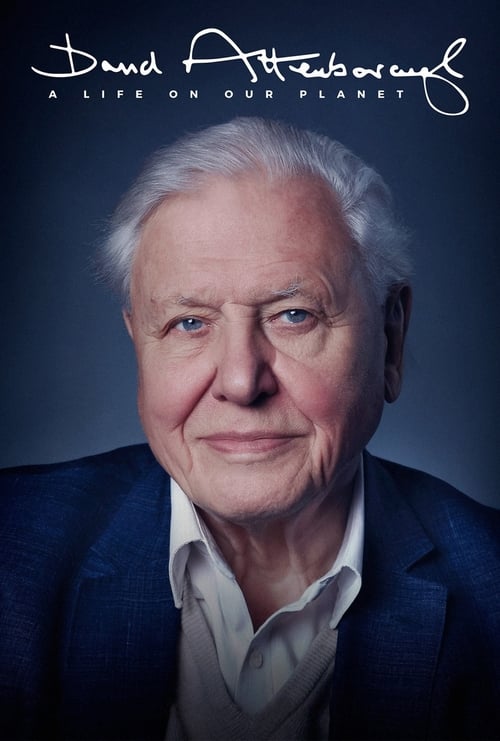
David Attenborough: A Life on Our Planet - Review
David Attenborough: A Life on Our Planet - A Legacy Etched in Film
Imagine a life dedicated to witnessing the Earth's breathtaking beauty, only to see it slowly fade away. This is the burden, and the driving force, behind "David Attenborough: A Life on Our Planet," a powerful and deeply personal documentary that serves as both a testament to the natural world's splendor and a stark warning about its imminent demise. Released in 2020, this film isn't just another nature documentary; it's a cinematic will and testament, a heartfelt plea delivered by a man who has become synonymous with our planet's wonders. It's an urgent call to action, wrapped in the familiar, comforting voice of Sir David Attenborough, making it all the more poignant and impactful.
Plot: A Personal Timeline of Environmental Decline
The film deviates from the typical chronological structure of nature documentaries. Instead, it adopts a unique approach, weaving together Attenborough's personal journey with a stark timeline of global environmental decline. It begins with a haunting image: the deserted city of Pripyat, a ghost town left behind after the Chernobyl disaster. This sets the tone for the film, a reminder of humanity's capacity for destruction and the devastating consequences of our actions.
From this somber starting point, the film transitions to Attenborough's early expeditions, showcasing the pristine beauty of the natural world as he first encountered it. We see archival footage of his early documentaries, filled with vibrant ecosystems and abundant wildlife. These scenes are not merely nostalgic; they serve as a crucial benchmark, allowing us to measure the extent of the damage that has occurred over the course of his lifetime.
As the film progresses, it meticulously charts the alarming decline in biodiversity, the rise in global temperatures, and the devastating impact of deforestation and overfishing. Attenborough uses stark statistics and compelling visuals to illustrate the interconnectedness of these issues and their profound consequences for the planet and its inhabitants. The film doesn't shy away from difficult truths, presenting a clear and unflinching picture of the environmental crisis we face.
Crucially, "A Life on Our Planet" doesn't end with despair. In the final act, Attenborough outlines a series of concrete solutions, offering a glimmer of hope for the future. He presents a vision of a sustainable future, one where humanity lives in harmony with nature, powered by renewable energy, and guided by a commitment to conservation. This shift from despair to hope is essential, empowering viewers to take action and become part of the solution.
Character: David Attenborough - More Than Just a Narrator
David Attenborough isn't just the narrator of this film; he is its heart and soul. He is present in almost every scene, sharing his personal experiences, his reflections on the changing world, and his unwavering commitment to conservation. This personal connection elevates the film beyond a mere documentary; it becomes a deeply moving testament to a life dedicated to understanding and protecting the natural world.
His presence lends the film an unparalleled level of credibility. Having witnessed firsthand the beauty and fragility of our planet, Attenborough speaks with authority and passion. He is not simply reciting facts and figures; he is sharing his lived experience, his deep-seated concern for the future, and his unwavering belief in the power of humanity to change course.
While Attenborough's voice is familiar and comforting, the film also reveals a vulnerability and a sense of urgency that is rarely seen in his previous work. He expresses regret for the environmental damage that has occurred during his lifetime, acknowledging the role that humanity has played in the crisis. This honesty and self-reflection make him all the more relatable and compelling.
Ultimately, Attenborough emerges as a beacon of hope, a symbol of resilience, and a powerful advocate for change. He embodies the spirit of conservation, inspiring viewers to take action and become stewards of the planet.
Direction: Steven Price and Alastair Fothergill - A Masterful Blend of Visuals and Narrative
The direction of "A Life on Our Planet," helmed by Steven Price and Alastair Fothergill, is masterful in its ability to blend stunning visuals with a compelling narrative. Price and Fothergill are veterans of the nature documentary genre, having worked on acclaimed series such as "Planet Earth" and "Blue Planet." Their expertise is evident in the film's breathtaking cinematography, its seamless editing, and its powerful storytelling.
The directors effectively use archival footage from Attenborough's early documentaries to contrast with the current state of the environment. This juxtaposition highlights the extent of the damage that has occurred and underscores the urgency of the situation. They also incorporate a variety of visual techniques, including time-lapse photography, aerial shots, and close-up perspectives, to capture the beauty and complexity of the natural world.
The film's pacing is carefully calibrated to maintain viewer engagement without overwhelming them with information. Price and Fothergill skillfully balance moments of awe and wonder with moments of stark reality, creating a powerful emotional impact. They also use music and sound design to enhance the film's atmosphere and amplify its message.
Furthermore, the film's structure, moving from personal experience to global analysis and then to potential solutions, is thoughtfully constructed to maximize its impact. This narrative arc allows viewers to connect with Attenborough on a personal level, understand the scope of the environmental crisis, and feel empowered to take action.
Cinematography: A Visual Feast with a Sobering Message
The cinematography in "A Life on Our Planet" is nothing short of breathtaking. From the vibrant coral reefs to the majestic rainforests, the film captures the beauty and diversity of the natural world in stunning detail. The use of high-definition cameras and advanced filming techniques allows viewers to experience these environments in a way that is both immersive and awe-inspiring.
However, the film's cinematography is not just about showcasing beauty; it also serves to highlight the devastating impact of human activity on the planet. Scenes of deforestation, pollution, and habitat destruction are presented with unflinching honesty, forcing viewers to confront the consequences of our actions.
The film's use of contrasting imagery is particularly effective. Juxtaposing pristine landscapes with polluted waterways, or thriving ecosystems with barren wastelands, underscores the urgency of the environmental crisis and the need for immediate action.
The cinematography also plays a crucial role in conveying the interconnectedness of the natural world. By showing how different species and ecosystems are linked together, the film emphasizes the importance of protecting biodiversity and maintaining ecological balance.
Performances: Attenborough's Voice - A Call to Action
While "A Life on Our Planet" is a documentary, Attenborough's presence can be considered a performance in its own right. His narration is not merely informative; it is deeply personal, passionate, and imbued with a sense of urgency. His voice, familiar to generations of viewers, carries immense weight and authority.
Attenborough's delivery is both calming and compelling, drawing viewers in and making them feel connected to the subject matter. He speaks with clarity and conviction, conveying complex scientific concepts in a way that is accessible to a wide audience.
Beyond his narration, Attenborough's presence on screen is equally impactful. His expressions, his gestures, and his body language all convey a deep sense of concern for the future of the planet. He is not simply reading a script; he is sharing his lived experience and his unwavering commitment to conservation.
Attenborough's performance is ultimately a call to action, urging viewers to take responsibility for their impact on the environment and to become part of the solution. He inspires hope, empowers action, and reminds us that we all have a role to play in protecting the planet.
Themes and Messages: A Legacy of Environmental Awareness
"David Attenborough: A Life on Our Planet" explores several key themes, all centered around the urgent need for environmental conservation and sustainable living.
- The Interconnectedness of Life: The film emphasizes the intricate web of life that connects all species and ecosystems on the planet. It highlights how human actions can have far-reaching consequences, disrupting ecological balance and threatening biodiversity.
- The Impact of Human Activity: The film presents a stark and unflinching account of the devastating impact of human activity on the environment, including deforestation, pollution, overfishing, and climate change.
- The Urgency of the Crisis: The film underscores the urgency of the environmental crisis, emphasizing that we are running out of time to reverse the damage that has been done.
- The Power of Hope and Action: Despite the gravity of the situation, the film offers a message of hope, highlighting the potential for humanity to change course and create a sustainable future. It empowers viewers to take action and become part of the solution.
- The Importance of Personal Responsibility: The film emphasizes the importance of personal responsibility, reminding viewers that every individual can make a difference in protecting the environment.
The film's central message is clear: we must act now to protect the planet for future generations. We must transition to sustainable energy sources, conserve biodiversity, and live in harmony with nature. The future of the planet depends on it.
Comparison to Other Films and Works
"A Life on Our Planet" shares similarities with other nature documentaries, particularly those narrated by David Attenborough, such as "Planet Earth," "Blue Planet," and "Our Planet." However, it distinguishes itself through its personal and reflective tone. While other documentaries focus primarily on showcasing the beauty and wonder of the natural world, "A Life on Our Planet" also delves into the environmental challenges we face and offers concrete solutions.
Compared to more overtly political documentaries like "An Inconvenient Truth," "A Life on Our Planet" takes a more nuanced approach. While it doesn't shy away from difficult truths, it avoids being overly preachy or accusatory. Instead, it focuses on presenting the facts and inspiring viewers to take action through hope and empowerment.
The film can also be compared to autobiographical documentaries like "My Octopus Teacher," which explore the personal connection between humans and the natural world. However, "A Life on Our Planet" is broader in scope, encompassing a wider range of environmental issues and offering a more comprehensive vision for the future.
Positive Aspects and Constructive Criticism
Positive Aspects:
- Powerful and Compelling Narrative: The film's narrative is both informative and emotionally engaging, drawing viewers in and making them care about the fate of the planet.
- Stunning Cinematography: The film's visuals are breathtaking, showcasing the beauty and diversity of the natural world in stunning detail.
- Authoritative Narration: David Attenborough's narration is both informative and inspiring, lending the film credibility and emotional weight.
- Concrete Solutions: The film offers a range of concrete solutions for addressing the environmental crisis, empowering viewers to take action.
- Personal Connection: Attenborough's personal reflections and experiences make the film deeply moving and relatable.
Constructive Criticism:
- Could be more specific on policy changes: While the film outlines broad solutions, it could benefit from more specific recommendations for policy changes and government action.
- Limited perspective on socioeconomic factors: The film could benefit from a more in-depth exploration of the socioeconomic factors that contribute to environmental degradation, particularly in developing countries.
- Potential for further exploration of indigenous knowledge: While the film touches on the importance of traditional ecological knowledge, it could be expanded to further highlight the role of indigenous communities in conservation efforts.
Conclusion and Rating
"David Attenborough: A Life on Our Planet" is a powerful and essential documentary that serves as both a testament to the beauty of the natural world and a stark warning about its imminent demise. It is a film that everyone should see, not just for its stunning visuals and authoritative narration, but for its urgent message of hope and action. While it could benefit from a more in-depth exploration of certain socioeconomic factors and policy changes, its overall impact is undeniable. It is a cinematic masterpiece that will stay with you long after the credits roll, inspiring you to take action and become a steward of the planet.
Rating: 9.5/10