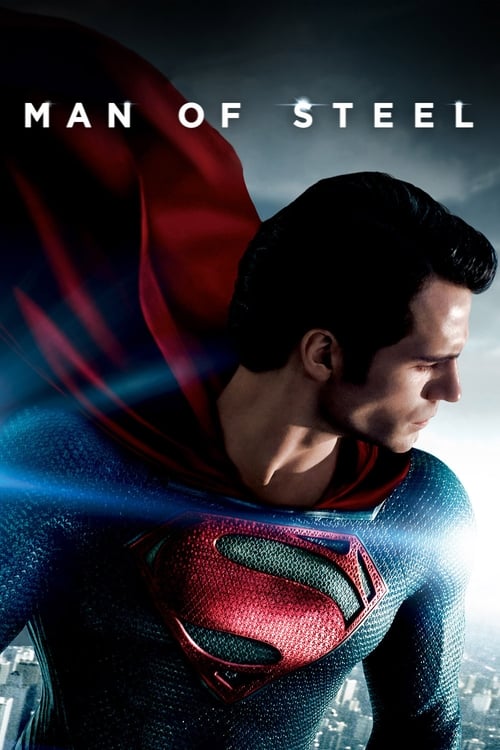
Man of Steel - Review
Man of Steel: A Kryptonian Reckoning or a Misunderstood Messiah?
Zack Snyder's 2013 reimagining of Superman, Man of Steel, arrived with the weight of Krypton on its shoulders. Tasked with breathing new life into a character steeped in decades of tradition, Snyder aimed for a darker, grittier, and more realistic portrayal of the Last Son of Krypton. The result was a polarizing film that sparked intense debate among fans, critics, and general audiences alike. Was it a bold and necessary reinvention of a beloved icon, or a betrayal of Superman's core values? Let's delve into the steel and sinew of Man of Steel to dissect its triumphs and shortcomings.
Plot: A Genesis Story Forged in Fire
Man of Steel doesn't shy away from its origins story. The film is structured in a non-linear fashion, interweaving flashbacks of Clark Kent's childhood with his present-day journey of self-discovery. We witness the final days of Krypton, a dying planet ravaged by environmental collapse and political strife, ruled by the council and facing a rebellion led by General Zod. Jor-El, Superman's biological father, sends his infant son, Kal-El, to Earth with the Codex, containing the genetic code of the Kryptonian race, hoping to preserve their civilization.
On Earth, Clark is raised by Jonathan and Martha Kent, who instill in him a strong moral compass and teach him to control his burgeoning powers. He grapples with his extraordinary abilities, constantly reminded of the potential danger he poses to those around him. This internal conflict forms the emotional core of the film's first half. Clark drifts from place to place, using his powers to help people anonymously, searching for his purpose.
The arrival of General Zod and his Kryptonian soldiers shatters Clark's anonymity and forces him to confront his destiny. Zod demands the return of the Codex, threatening to terraform Earth into a new Krypton, eradicating humanity in the process. Clark, now embracing his Kryptonian heritage and his adopted home, must choose between saving his people and protecting the planet he has come to call home. The ensuing battle is a destructive and visually spectacular display of superhuman power, culminating in a controversial climax that has defined the legacy of Man of Steel.
Characters: Reimagining Icons
Clark Kent/Superman (Henry Cavill): Cavill's portrayal of Superman is physically imposing and emotionally reserved. He embodies the internal struggle of a man torn between two worlds, burdened by his powers and searching for his place. While he captures the stoicism and vulnerability of the character, some critics argue that he lacks the inherent optimism and warmth traditionally associated with Superman. He's a more conflicted and introspective Superman, wrestling with the immense responsibility placed upon him.
General Zod (Michael Shannon): Shannon delivers a chilling and compelling performance as General Zod. He is not simply a mustache-twirling villain, but a complex and tragic figure driven by a fierce loyalty to his people and a desperate desire to restore Krypton. His motivations are understandable, even if his methods are extreme. He believes he is acting in the best interests of his race, making him a formidable and morally ambiguous antagonist. Shannon's intensity and conviction make Zod a memorable and effective villain.
Lois Lane (Amy Adams): Adams brings a sharp intelligence and unwavering determination to the role of Lois Lane. She is not a damsel in distress, but a resourceful and independent journalist who actively investigates Clark's origins and uncovers the truth about his identity. Her relationship with Clark is more grounded and realistic than in previous iterations, built on mutual respect and a shared sense of justice. Adams' Lois is proactive and integral to the plot, making her a valuable ally to Superman.
Jonathan Kent (Kevin Costner): Costner's portrayal of Jonathan Kent is perhaps the most controversial. He is a protective father who instills in Clark a sense of caution and responsibility, but his emphasis on hiding his powers and avoiding attention has been interpreted by some as promoting a fear-based approach to heroism. His death scene, where he prevents Clark from saving him to protect his secret, is a particularly divisive moment. While Costner delivers a strong performance, the character's motivations and actions are open to interpretation.
Martha Kent (Diane Lane): Lane provides a warm and maternal presence as Martha Kent. She is a source of unwavering love and support for Clark, helping him navigate his powers and embrace his identity. She represents the human connection that grounds Clark and reminds him of the values he must protect. Lane's performance is understated but powerful, conveying the quiet strength and resilience of a loving mother.
Jor-El (Russell Crowe): Crowe's Jor-El is a more proactive and involved figure than in previous iterations. He is a scientist and a visionary who fights to save his planet and preserve his people's legacy. He plays a crucial role in guiding Clark and preparing him for his destiny. Crowe's performance is commanding and authoritative, establishing Jor-El as a powerful and influential figure in Superman's life.
Direction and Cinematography: A Snyder Spectacle
Zack Snyder's signature visual style is on full display in Man of Steel. The film is characterized by its desaturated color palette, dynamic action sequences, and frequent use of slow-motion. While some critics have criticized Snyder's overreliance on these techniques, they undeniably create a visually striking and immersive experience.
The action sequences are particularly noteworthy, showcasing the raw power and destructive potential of Superman and his Kryptonian adversaries. The battles are fast-paced, intense, and often brutal, emphasizing the physical toll of superhuman combat. The cinematography, by Amir Mokri, is dynamic and visually arresting, capturing the grandeur of Krypton and the epic scale of the battles on Earth. The use of shaky cam during some fight scenes, however, drew criticism for making the action difficult to follow at times.
Snyder's direction also emphasizes the emotional weight of the story. The flashbacks to Clark's childhood are beautifully shot and emotionally resonant, exploring his struggles with his identity and his relationship with his parents. The film's score, composed by Hans Zimmer, is powerful and evocative, adding depth and emotion to the visuals. Zimmer's score departs from the iconic John Williams theme, creating a unique and modern soundscape for Superman.
Themes and Messages: Hope, Sacrifice, and the Burden of Power
Man of Steel explores several complex themes, including hope, sacrifice, the burden of power, and the search for identity. The film grapples with the question of what it means to be a hero in a world that is often cynical and distrustful. Clark's journey is one of self-discovery, as he learns to embrace his powers and accept his destiny as Superman.
The film also examines the theme of sacrifice. Jor-El sacrifices himself to save his son and preserve his people's legacy. Jonathan Kent sacrifices himself to protect Clark's secret. And Clark ultimately sacrifices his own moral code, in a controversial decision, to save humanity from General Zod. These acts of sacrifice underscore the immense responsibility that comes with great power.
The film also touches on the theme of hope. Despite the darkness and destruction that surround him, Superman represents a beacon of hope for humanity. He inspires people to believe in the possibility of a better future. However, the film's ambiguous ending, with Superman destroying Metropolis in his battle with Zod, leaves the audience questioning whether he truly embodies the traditional ideals of hope and optimism.
Comparisons: A Departure from Tradition
Man of Steel is a significant departure from previous Superman films, particularly the Richard Donner's Superman (1978). While Donner's film is characterized by its lighthearted tone, optimistic worldview, and iconic portrayal of Superman as a symbol of hope and Americana, Snyder's film is darker, more realistic, and more focused on the internal struggles of the character.
Compared to Bryan Singer's Superman Returns (2006), Man of Steel offers a more action-packed and visually spectacular experience. While Superman Returns focused on Superman's emotional journey and his attempts to reconnect with humanity after a long absence, Man of Steel prioritizes the action and the spectacle of superhuman combat.
Man of Steel also shares thematic similarities with Christopher Nolan's Batman Begins (2005). Both films explore the origins of a superhero and their journey to embrace their destiny. Both films also feature a grounded and realistic approach to the superhero genre, focusing on the psychological and emotional challenges faced by their protagonists.
Snyder's previous work, such as 300 and Watchmen, is evident in Man of Steel's visual style and its emphasis on action and spectacle. However, Man of Steel lacks the satirical edge and complex moral ambiguity of Watchmen, making it a more straightforward and conventional superhero film, albeit with a darker tone.
Positive Aspects: A Visually Stunning and Emotionally Resonant Origin Story
Despite its controversies, Man of Steel has several strengths. The film is visually stunning, with breathtaking special effects and dynamic action sequences. Henry Cavill delivers a compelling performance as Superman, capturing the character's internal struggles and physical prowess. Michael Shannon is equally impressive as General Zod, portraying a complex and formidable villain with understandable motivations.
The film's exploration of themes such as hope, sacrifice, and the burden of power is thought-provoking and emotionally resonant. The flashbacks to Clark's childhood are beautifully shot and emotionally impactful, adding depth and nuance to the character. Hans Zimmer's score is powerful and evocative, enhancing the emotional impact of the visuals.
Amy Adams' portrayal of Lois Lane is a welcome departure from previous iterations, presenting her as a strong, intelligent, and independent journalist. The film's grounded and realistic approach to the superhero genre is refreshing, offering a more complex and nuanced portrayal of Superman than previous films.
Constructive Criticism: Controversial Choices and Missed Opportunities
Man of Steel also has its flaws. The film's controversial climax, in which Superman kills General Zod, has been widely criticized for violating the character's traditional moral code. This decision, while intended to emphasize the immense responsibility placed upon Superman, ultimately undermines his image as a symbol of hope and justice.
The film's pacing is uneven, with the first half feeling slow and introspective, while the second half is dominated by action and spectacle. The overuse of shaky cam during some fight scenes makes the action difficult to follow at times. The film's darker tone and desaturated color palette may not appeal to all viewers, particularly those who prefer a more optimistic and lighthearted portrayal of Superman.
Some critics have argued that the film fails to fully explore the potential of its themes and characters. The relationship between Clark and Lois, while well-acted, feels underdeveloped. The film's exploration of Kryptonian culture and history is intriguing but ultimately superficial. The film also misses an opportunity to explore the political and social implications of Superman's arrival on Earth.
The characterization of Jonathan Kent has also been a point of contention. His emphasis on hiding Clark's powers and avoiding attention has been interpreted by some as promoting a fear-based approach to heroism, which contradicts the traditional values associated with Superman.
Conclusion: A Bold but Flawed Reinvention
Man of Steel is a bold and ambitious attempt to reimagine Superman for a modern audience. While it succeeds in creating a visually stunning and emotionally resonant origin story, it also makes several controversial choices that undermine the character's traditional values. The film is a complex and flawed work that has sparked intense debate among fans and critics alike. It's a film that demands discussion and interpretation, and its impact on the superhero genre is undeniable. While it may not be the perfect Superman film, it is a significant and thought-provoking entry in the superhero canon.
Ultimately, Man of Steel is a film that you will either love or hate. It's a divisive film that challenges our preconceived notions of Superman and asks us to consider what it truly means to be a hero in a complex and imperfect world.