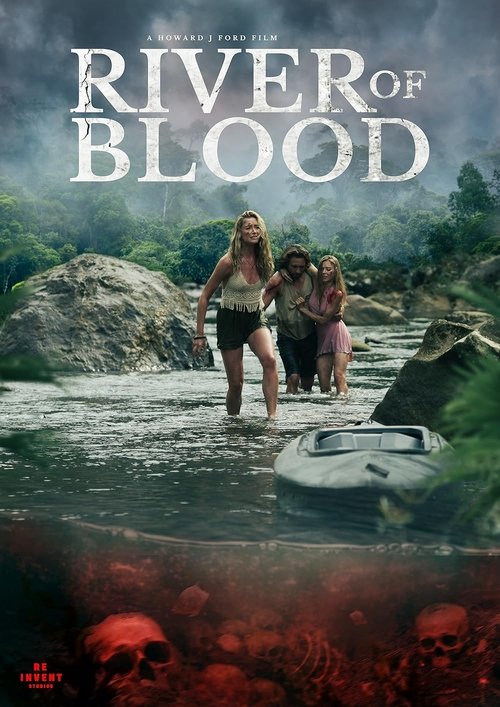
River of Blood - Review
River of Blood: A Descent into Primal Terror
The jungle breathes. It watches. And it hungers. "River of Blood," the latest offering from director Anya Petrova, plunges audiences into a nightmare scenario where a simple kayaking trip transforms into a desperate fight for survival against a tribe of merciless cannibals. Released on August 29th, 2024, this horror-thriller promises a visceral and unflinching exploration of humanity's darkest corners. But does it deliver on that promise? Let's dive in.
Plot: A Wrong Turn into Hell
The film opens with four friends – Liam (played by Ethan Hayes), Maya (portrayed by Sarah Jenkins), Ben (with a compelling performance by David Chen), and Chloe (brought to life by Emily Carter) – embarking on what they believe will be an adventurous yet relaxing kayaking trip through the Amazon rainforest. Liam, the experienced outdoorsman of the group, leads the way, confident in his navigational skills. However, a crucial misreading of the map leads them to take a wrong turn, diverting them from the designated tourist route and into uncharted territory. The river narrows, the foliage thickens, and an unnerving silence descends, broken only by the sounds of the jungle – sounds that soon take on a sinister quality.
As they venture deeper, subtle signs begin to appear: strange markings on trees, discarded bones, and an unsettling sense of being watched. The group dismisses these as remnants of animals or perhaps indigenous tribes, but the tension mounts as they realize they are hopelessly lost. Their initial camaraderie gradually erodes as fear and paranoia set in. A seemingly innocent argument over directions escalates into a heated confrontation, highlighting the cracks in their relationships under pressure.
The true horror begins when they encounter the tribe. Petrova wisely chooses to build suspense, initially revealing the cannibals through fleeting glimpses and terrifying sounds. We first see them as shadows moving through the trees, then as grotesque figures adorned with tribal paint and wielding crude weapons. The first attack is swift and brutal. Ben is separated from the group and captured, his screams echoing through the jungle. This event galvanizes the remaining three into a desperate fight for survival. They must navigate the treacherous river, evade the relentless pursuit of the cannibals, and find a way back to civilization before they become the next meal.
The plot, while relatively straightforward, is effectively executed. The pacing is well-managed, gradually increasing the tension and delivering moments of genuine terror. However, the reliance on certain horror tropes, such as the characters making questionable decisions under duress, can feel somewhat predictable at times. The initial setup, with the kayaking trip and the wrong turn, feels slightly rushed, leaving the audience wanting a bit more character development before the horror begins.
Characters: Flesh and Blood...Literally
The characters in "River of Blood" are a mixed bag. Liam, the self-assured leader, is perhaps the least developed. His initial confidence quickly crumbles under the weight of responsibility and fear, but his transformation feels somewhat abrupt. Maya, on the other hand, is a more compelling character. Initially portrayed as timid and dependent, she discovers a hidden strength and resourcefulness as the situation deteriorates. Sarah Jenkins delivers a standout performance, capturing Maya's vulnerability and resilience with equal measure.
Ben, unfortunately, is the least memorable of the group. His primary function seems to be to serve as the first victim, and his character lacks the depth needed to make his demise truly impactful. David Chen does his best with the material he's given, but Ben's character arc feels underdeveloped.
Chloe, portrayed by Emily Carter, is the most morally ambiguous of the group. Her survival instincts lead her to make questionable decisions that test the bonds of friendship. Carter delivers a nuanced performance, portraying Chloe's desperation and inner conflict with convincing realism. Her character arc, while controversial, adds a layer of complexity to the film.
The cannibals themselves are portrayed as primal, savage beings, devoid of humanity. Petrova avoids romanticizing or glorifying their culture, instead focusing on their brutality and hunger. While this approach is effective in creating a sense of dread, it also risks perpetuating harmful stereotypes about indigenous cultures. A more nuanced portrayal of the tribe, perhaps hinting at their motivations or history, could have added depth and complexity to the narrative.
Direction: A Masterclass in Tension
Anya Petrova's direction is the strongest aspect of "River of Blood." She expertly builds tension throughout the film, utilizing claustrophobic camerawork, unsettling sound design, and strategic use of jump scares to create a truly terrifying experience. The jungle itself becomes a character, a menacing presence that constantly threatens to engulf the protagonists. Petrova's ability to create a sense of unease and dread is truly remarkable.
She also demonstrates a keen eye for visual storytelling. The film is filled with striking images, from the lush beauty of the rainforest to the gruesome depictions of cannibalism. Petrova doesn't shy away from the violence, but she also avoids gratuitous gore, using it sparingly to maximize its impact. The pacing is generally well-managed, although the first act could have benefited from a slightly slower build-up.
Petrova's direction is reminiscent of classic horror directors like Tobe Hooper and Wes Craven, but she also brings her own unique sensibility to the genre. She is particularly adept at creating a sense of psychological horror, exploring the characters' inner demons as they face their external threats. "River of Blood" is a testament to Petrova's talent as a director and solidifies her position as a rising star in the horror genre.
Cinematography: Painting with Light and Shadow
The cinematography in "River of Blood," helmed by veteran DP Javier Rodriguez, is simply stunning. He masterfully captures the beauty and danger of the Amazon rainforest, creating a visually immersive experience. The lush greenery, the murky river, and the oppressive darkness of the jungle are all rendered with breathtaking detail. Rodriguez's use of light and shadow is particularly effective, creating a sense of unease and foreboding. The camera often lingers on the characters' faces, capturing their fear, desperation, and resolve.
The use of handheld cameras during the action sequences adds to the sense of realism and immediacy. We feel like we are right there with the characters, running for our lives through the dense jungle. The cinematography also plays a crucial role in building suspense. Rodriguez often uses long shots to create a sense of isolation and vulnerability, and close-ups to emphasize the characters' emotional states.
The color palette is predominantly green and brown, reflecting the natural environment. However, Rodriguez also uses splashes of color to create visual contrast and emphasize certain elements, such as the tribal paint on the cannibals' faces or the blood that stains the river. The cinematography in "River of Blood" is a true work of art, enhancing the film's atmosphere and emotional impact.
Performances: Screams and Substance
The performances in "River of Blood" are generally strong, with Sarah Jenkins and Emily Carter delivering standout performances. As mentioned earlier, Jenkins shines as Maya, capturing her transformation from timid to resilient with convincing authenticity. Carter's portrayal of Chloe is equally compelling, showcasing her character's moral ambiguity and inner turmoil. Ethan Hayes, as Liam, delivers a serviceable performance, but his character arc feels somewhat underdeveloped. David Chen, as Ben, is given the least to work with, but he still manages to create a sympathetic character.
The actors portraying the cannibals deliver chilling performances, relying on physicality and guttural sounds to convey their savage nature. Their presence is truly terrifying, and they effectively convey the sense of primal threat that permeates the film.
Overall, the performances in "River of Blood" are solid, contributing to the film's overall sense of realism and emotional impact. While some characters are more developed than others, the actors all deliver believable and engaging performances.
Themes and Messages: Primal Instincts and Moral Decay
"River of Blood" explores several compelling themes, including the primal nature of humanity, the fragility of civilization, and the breakdown of morality under extreme pressure. The film suggests that beneath the veneer of civilization lies a primal instinct for survival that can lead individuals to commit acts they would never have thought possible. The characters are forced to confront their own inner demons as they struggle to survive in the face of unimaginable horror.
The film also examines the fragility of civilization, highlighting how quickly it can crumble in the face of chaos and violence. The kayaking trip, initially a symbol of leisure and privilege, becomes a brutal struggle for survival as the characters are stripped of their comforts and forced to rely on their basic instincts. The jungle itself becomes a metaphor for the untamed forces of nature that can overwhelm even the most advanced societies.
Furthermore, "River of Blood" delves into the theme of moral decay. As the characters face increasingly desperate circumstances, they are forced to make difficult choices that test their moral boundaries. Some succumb to their baser instincts, while others cling to their humanity. The film raises questions about the nature of good and evil, and whether morality is simply a construct of civilization that can be discarded when survival is at stake.
While these themes are thought-provoking, the film's exploration of cannibalism could be interpreted as exploitative and insensitive. The portrayal of the indigenous tribe as savage cannibals risks perpetuating harmful stereotypes and ignoring the complex history and culture of indigenous peoples. A more nuanced and respectful approach to this subject matter could have added depth and complexity to the film's themes.
Comparisons: Echoes of the Past
"River of Blood" draws inspiration from a variety of sources, including classic cannibal horror films like "Cannibal Holocaust" and "The Green Inferno." Like these films, it explores the themes of savagery, survival, and the clash between civilization and the wilderness. However, "River of Blood" avoids the explicit gore and exploitation that characterized some of its predecessors, opting for a more suspenseful and psychological approach.
The film also shares similarities with survival thrillers like "Deliverance" and "The Descent," which feature groups of individuals facing extreme challenges in remote and hostile environments. Like these films, "River of Blood" explores the breakdown of relationships under pressure and the resilience of the human spirit in the face of adversity.
In terms of Anya Petrova's previous work, "River of Blood" represents a significant step forward. Her previous films, while promising, lacked the polish and sophistication of this latest offering. "River of Blood" showcases Petrova's growth as a director and solidifies her position as a rising star in the horror genre.
Positive Aspects: A Thrilling Descent
Despite its flaws, "River of Blood" offers a compelling and terrifying cinematic experience. Anya Petrova's direction is masterful, creating a sense of unease and dread that permeates the film. The cinematography is stunning, capturing the beauty and danger of the Amazon rainforest with breathtaking detail. The performances are generally strong, with Sarah Jenkins and Emily Carter delivering standout performances. The film explores thought-provoking themes about the primal nature of humanity and the fragility of civilization. The pacing is well-managed, gradually increasing the tension and delivering moments of genuine terror. The sound design is particularly effective, creating a truly immersive and unsettling experience.
Constructive Criticism: Room for Improvement
While "River of Blood" is a well-made film, it is not without its flaws. The plot is somewhat predictable at times, relying on certain horror tropes that feel familiar. The character development could be stronger, particularly for Liam and Ben. The portrayal of the indigenous tribe as savage cannibals risks perpetuating harmful stereotypes. The first act could have benefited from a slightly slower build-up. The film's exploration of cannibalism could be interpreted as exploitative and insensitive. A more nuanced and respectful approach to this subject matter could have added depth and complexity to the film's themes.
Conclusion: A Bloody Good Time (with Reservations)
"River of Blood" is a visceral and terrifying horror-thriller that delivers on its promise of a descent into primal terror. Anya Petrova's direction is masterful, the cinematography is stunning, and the performances are generally strong. While the film has some flaws, including a somewhat predictable plot and potentially problematic portrayal of indigenous cultures, it ultimately offers a compelling and thought-provoking cinematic experience. It's a film that will leave you on the edge of your seat, questioning the nature of humanity and the darkness that lurks within us all. Just be prepared for a bumpy ride.