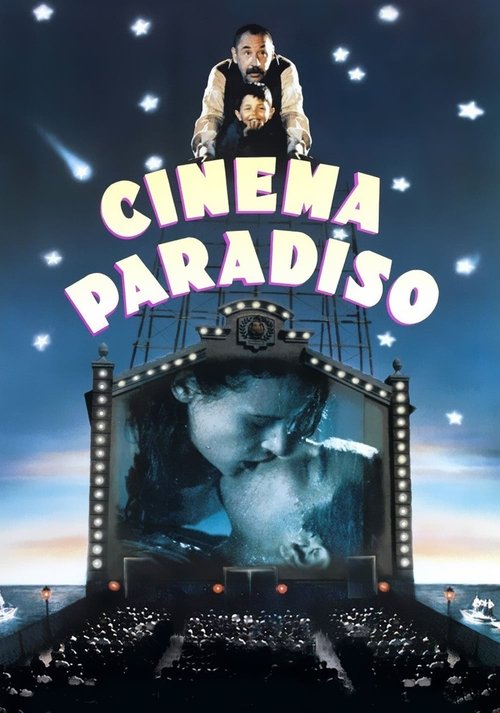
Cinema Paradiso - Review
Cinema Paradiso: A Love Letter to Film and Memory
Giuseppe Tornatore's Cinema Paradiso isn't just a film; it's an experience. Released in 1988, this Italian masterpiece transcends language barriers, striking a chord with anyone who has ever felt the magic of the silver screen. More than just a nostalgic trip down memory lane, it's a profound exploration of friendship, love, loss, and the enduring power of cinema to shape our lives. Prepare to be swept away by a story that will leave you both heartbroken and hopeful, a testament to the enduring power of storytelling.
Plot: A Journey Through Time and Film
The film opens with Salvatore Di Vita, a successful Roman filmmaker, receiving news of Alfredo's death. This triggers a flood of memories, transporting him back to his childhood in Giancaldo, a small Sicilian village. We are introduced to Toto, a mischievous but endearing young boy utterly captivated by the local cinema, Cinema Paradiso. He spends his days pestering Alfredo, the kind-hearted projectionist, weaving his way into the projection booth and Alfredo's life.
The narrative unfolds through Toto's eyes, showcasing his growing obsession with film. Alfredo, initially reluctant, becomes a father figure, a mentor, and a guide, sharing his knowledge and passion for cinema. He teaches Toto not only the technical aspects of projection but also the art of storytelling, the power of emotion, and the importance of connecting with an audience. The cinema itself becomes a sanctuary, a place where the villagers escape the hardships of their daily lives, finding solace and entertainment in the flickering images on the screen.
A devastating fire destroys Cinema Paradiso, leaving the village heartbroken. Toto, with Alfredo's help, manages to save Alfredo's life, though he suffers a permanent loss of sight. The cinema is rebuilt, bigger and more modern, thanks to the financial backing of a wealthy villager. As Toto grows older, his bond with Alfredo deepens. He falls in love with Elena, a beautiful girl from a well-to-do family, experiencing the bittersweet joy and pain of first love. However, their relationship is cut short when Elena's family moves away.
Alfredo, recognizing Toto's potential and fearing that he will become stagnant in the small village, urges him to leave Giancaldo and pursue his dreams. He makes Toto promise never to return. Toto, heartbroken but understanding, reluctantly obeys. He leaves for Rome, embarking on a successful filmmaking career, but always carrying the memories of Cinema Paradiso and Alfredo in his heart.
The film returns to the present, with Salvatore, now a middle-aged man, attending Alfredo's funeral. He receives a gift from Alfredo: a reel of film containing all the censored kissing scenes that Alfredo had saved over the years. These scenes, a montage of passionate embraces and stolen kisses, represent the love and life that Toto left behind, a poignant reminder of the power of cinema to capture and preserve moments of pure emotion.
Characters: Heart and Soul of the Story
The characters in Cinema Paradiso are not just characters; they are real people with relatable flaws, dreams, and vulnerabilities. Their authenticity is what makes the film so emotionally resonant.
Toto (Salvatore Di Vita)
Toto, played by Salvatore Cascio as a child, Marco Leonardi as a teenager, and Jacques Perrin as an adult, is the heart of the film. We witness his transformation from a curious and mischievous boy into a successful but somewhat disillusioned filmmaker. His passion for cinema is infectious, and his relationship with Alfredo is the emotional core of the story. His childhood innocence, teenage angst, and adult introspection are all beautifully portrayed, making him a character we root for throughout his journey.
Alfredo
Alfredo, portrayed with warmth and wisdom by Philippe Noiret, is the paternal figure that Toto desperately needs. He is more than just a projectionist; he is a mentor, a friend, and a guide. He recognizes Toto's potential and selflessly encourages him to pursue his dreams, even if it means sacrificing their close bond. His sacrifice is a testament to his love for Toto and his belief in the power of cinema. Noiret's performance is simply masterful, radiating kindness, humor, and a quiet strength.
Elena
Elena, played by Agnese Nano, represents Toto's first love and the bittersweet pain of lost opportunities. Their brief but intense romance is a poignant reminder of the choices we make and the paths we don't take. She embodies the innocence and beauty of youth, leaving a lasting impression on Toto's life.
The supporting characters, including Toto's mother, the village priest, and the eccentric locals, add depth and color to the narrative, creating a vibrant and believable community.
Direction and Cinematography: Painting with Light and Emotion
Giuseppe Tornatore's direction is masterful, weaving together past and present with seamless transitions. He creates a world that is both nostalgic and timeless, capturing the essence of small-town life in post-war Italy. His attention to detail is remarkable, from the dusty projection booth to the bustling town square, every scene is meticulously crafted to evoke a sense of authenticity and emotion.
The cinematography, by Blasco Giurato, is breathtaking. He uses light and shadow to create a sense of atmosphere and mood, enhancing the emotional impact of the story. The scenes in the cinema are particularly stunning, with the flickering light of the projector illuminating the faces of the entranced audience. The use of warm colors evokes a sense of nostalgia and warmth, while the darker scenes reflect the sadness and loss that Toto experiences.
The editing is also superb, seamlessly transitioning between past and present, creating a flowing and engaging narrative. The pacing is perfect, allowing the story to unfold at a natural rhythm, drawing the viewer into Toto's world.
Performances: Bringing the Story to Life
The performances in Cinema Paradiso are universally excellent. Salvatore Cascio's portrayal of young Toto is charming and believable, capturing the innocence and curiosity of childhood. Marco Leonardi brings a raw and emotional intensity to the role of teenage Toto, capturing his struggles with love, loss, and identity. Jacques Perrin portrays the older Salvatore with a quiet dignity and a sense of melancholy, reflecting the weight of his past experiences.
However, it is Philippe Noiret who steals the show as Alfredo. His performance is a masterclass in understated acting, conveying a wealth of emotion with subtle gestures and expressions. He brings a warmth, wisdom, and humanity to the role that is truly unforgettable. His chemistry with Salvatore Cascio is magical, creating a bond that feels authentic and real.
Themes and Messages: More Than Just Nostalgia
Cinema Paradiso is a film rich in themes and messages, exploring the power of cinema, the importance of friendship, the pain of loss, and the enduring nature of memory.
The Power of Cinema
The film is a love letter to cinema, celebrating its ability to transport us to different worlds, evoke powerful emotions, and connect us with others. The cinema itself is a character in the film, a place where the villagers find solace, entertainment, and a sense of community. The censored kissing scenes that Alfredo saves represent the power of cinema to capture and preserve moments of pure emotion, reminding us of the beauty and passion of life.
Friendship and Mentorship
The relationship between Toto and Alfredo is the emotional heart of the film. Alfredo serves as a father figure, a mentor, and a friend, guiding Toto through the challenges of life and encouraging him to pursue his dreams. Their bond is based on mutual respect, affection, and a shared love of cinema. Alfredo's sacrifice, urging Toto to leave Giancaldo, is a testament to his love and his belief in Toto's potential.
Loss and Nostalgia
The film explores the pain of loss, both personal and collective. The destruction of Cinema Paradiso represents the loss of innocence and the passing of time. Toto's departure from Giancaldo and the end of his relationship with Elena represent the pain of leaving behind the familiar and embracing the unknown. However, the film also celebrates the enduring nature of memory, reminding us that the past is always with us, shaping who we are and influencing our future.
Sacrifice and Selflessness
Alfredo's decision to push Toto away is a powerful act of selflessness. He understands that Toto's potential will be stifled if he remains in the small village. By forcing him to leave, Alfredo sacrifices their close bond for Toto's greater good. This theme resonates throughout the film, highlighting the importance of putting others' needs before our own.
Comparison to Other Films
Cinema Paradiso can be compared to other films that explore the power of cinema and the importance of memory, such as François Truffaut's The 400 Blows and Woody Allen's The Purple Rose of Cairo. Like these films, Cinema Paradiso celebrates the transformative power of the silver screen and its ability to shape our lives.
In terms of Tornatore's other works, Malèna shares a similar nostalgic tone and explores themes of small-town life and the impact of beauty on a community. However, Cinema Paradiso remains his most acclaimed and beloved film, a testament to its universal appeal and emotional resonance.
Compared to films featuring similar actors, Philippe Noiret's performance in Il Postino is another example of his ability to portray a wise and compassionate mentor figure. While both roles are memorable, Alfredo in Cinema Paradiso holds a special place due to the profound impact he has on Toto's life and the film's overall message.
Positive Aspects and Constructive Criticism
Positive Aspects:
- Emotional Resonance: The film is deeply moving and emotionally resonant, striking a chord with anyone who has ever felt the magic of cinema or experienced the pain of loss.
- Performances: The performances are universally excellent, particularly Philippe Noiret's portrayal of Alfredo.
- Direction and Cinematography: Giuseppe Tornatore's direction is masterful, and Blasco Giurato's cinematography is breathtaking.
- Themes and Messages: The film explores profound themes of friendship, loss, memory, and the power of cinema.
- Soundtrack: Ennio Morricone's score is iconic and unforgettable, perfectly complementing the film's emotional tone.
Constructive Criticism:
- Pacing (Director's Cut): While the theatrical version is perfectly paced, the director's cut, which adds significant footage about Toto's relationship with the older Elena, can feel somewhat drawn out and less focused. The added scenes, while providing more context, detract slightly from the overall emotional impact of the original cut.
- Sentimentality: Some viewers may find the film overly sentimental, particularly the ending montage of kissing scenes. However, this sentimentality is arguably part of the film's charm and its celebration of the power of emotion.
Conclusion and Rating
Cinema Paradiso is a cinematic masterpiece, a timeless story that will stay with you long after the credits roll. It is a celebration of cinema, a poignant exploration of friendship, and a reminder of the enduring power of memory. While the director's cut has some pacing issues, the theatrical version remains a perfect example of storytelling at its finest. This is a film that deserves to be seen and cherished by generations to come.
Rating: 9.5/10