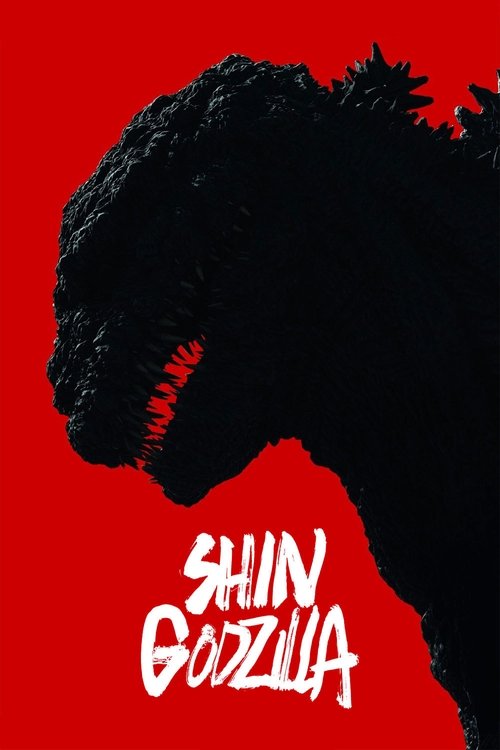
Shin Godzilla - Review
Shin Godzilla: A Bureaucratic Nightmare and Kaiju Evolution
In 2016, Hideaki Anno, the mastermind behind the iconic anime series Neon Genesis Evangelion, unleashed Shin Godzilla upon the world. This wasn't just another monster movie; it was a scathing satire of Japanese bureaucracy, a chilling depiction of societal unpreparedness, and a terrifyingly realistic reimagining of the King of the Monsters. Forget the campy fun of some previous iterations; Shin Godzilla is a stark, often unsettling, and surprisingly intelligent take on the kaiju genre, one that will leave you pondering its implications long after the credits roll.
Plot: From Unidentified Threat to Existential Crisis
The film begins with an almost documentary-style approach, mimicking the frantic and often chaotic response to a real-world disaster. Unidentified tremors rock Tokyo Bay, leading to speculation and denial among government officials. When a massive, gilled creature emerges from the water, initially mistaken for a giant fish, the true horror begins to dawn. This is not the Godzilla we know and love. This is something new, something…other.
Shin Godzilla meticulously charts the creature's evolution, both physically and in terms of the threat it poses. It starts as a clumsy, almost comical, amphibious form, leaving a trail of destruction in its wake. But it quickly adapts, transforming into a more humanoid, upright creature, and then ultimately into the towering, atomic-breathing behemoth we expect. This evolutionary process is not just a spectacle; it's a core element of the film's horror, highlighting the creature's unpredictable nature and the inability of humanity to truly comprehend it.
The narrative focuses less on individual heroes and more on the collective efforts (and failures) of the Japanese government. We are introduced to a sprawling cast of characters – ministers, scientists, military personnel, and even a Japanese-American envoy – each with their own agendas and perspectives. The film meticulously depicts the bureaucratic red tape, the infighting, and the agonizingly slow decision-making process that hampers the response to the Godzilla threat. This is not a story of individual bravery, but a portrait of a system struggling to cope with the unimaginable.
A key element of the plot is the mystery surrounding Godzilla's origins and its connection to a deceased professor who had been studying mutations and radiation. His research provides clues to the creature's vulnerability, but deciphering his cryptic notes becomes a race against time. This adds a layer of scientific intrigue to the film, grounding the fantastical elements in a semblance of plausibility.
Characters: Bureaucrats and Scientists in the Face of Annihilation
Shin Godzilla doesn't rely on traditional character arcs or deeply developed protagonists. Instead, it presents a ensemble cast, each representing a different facet of Japanese society. The characters are defined by their roles and their reactions to the unfolding crisis, rather than by their personal histories or individual motivations.
Rando Yaguchi, a young and ambitious cabinet secretary, emerges as a central figure. He is initially dismissed by his older, more experienced colleagues, but his quick thinking and dedication to finding a solution earn him respect and influence. Yaguchi represents the potential for change and innovation within the rigid bureaucratic system.
Hideki Akasaka, a seasoned bureaucrat, embodies the traditional values of Japanese society: duty, discipline, and adherence to protocol. While initially skeptical of Yaguchi's unconventional ideas, Akasaka eventually recognizes the need for a new approach and becomes a valuable ally.
Kayoko Ann Patterson, a Japanese-American special envoy, serves as a bridge between the Japanese and American governments. She provides crucial information and support, but also highlights the complexities of international relations in the face of a global threat.
The film’s strength lies in portraying these characters as flawed and fallible individuals, struggling to make sense of an impossible situation. They are not superheroes, but ordinary people thrust into extraordinary circumstances. Their mistakes and miscalculations are as important as their successes in illustrating the challenges of dealing with a crisis of this magnitude.
Direction and Cinematography: A Documentary Approach to Kaiju Chaos
Hideaki Anno's direction is one of the most distinctive aspects of Shin Godzilla. He employs a fast-paced, almost frenetic style, with rapid cuts, overlapping dialogue, and a constant sense of urgency. This creates a feeling of disorientation and chaos, mirroring the confusion and panic of the characters on screen.
The film's cinematography is equally striking. It favors a realistic, almost documentary-like aesthetic, with handheld cameras, natural lighting, and a muted color palette. This stark realism contrasts sharply with the fantastical nature of the subject matter, making the monster's appearance all the more unsettling. The use of extreme close-ups and wide shots emphasizes the scale and power of Godzilla, while also highlighting the vulnerability of humanity.
Anno's signature style, honed in his anime work, is evident in the film's visual language. The use of text overlays, reminiscent of Neon Genesis Evangelion, provides context and information, but also adds to the sense of information overload and bureaucratic complexity. These visual cues, combined with the rapid editing, create a unique and immersive viewing experience.
The special effects in Shin Godzilla are a blend of practical and CGI, creating a creature that is both terrifying and believable. Godzilla's design is a departure from previous iterations, with a more grotesque and unnatural appearance. Its movements are jerky and unpredictable, adding to the sense of unease. The atomic breath sequence is particularly impressive, a visually stunning display of raw power.
Performances: Subtlety and Realism in the Face of the Absurd
The performances in Shin Godzilla are understated and realistic, reflecting the film's documentary-style approach. The actors avoid histrionics and melodrama, instead portraying their characters with a sense of quiet determination and professional competence.
Hiroki Hasegawa delivers a compelling performance as Rando Yaguchi, conveying his character's intelligence, ambition, and growing sense of responsibility. He is the emotional anchor of the film, providing a relatable perspective on the unfolding events.
Yutaka Takenouchi brings a gravitas and authority to his role as Hideki Akasaka, portraying the seasoned bureaucrat with a subtle blend of skepticism and eventual acceptance.
Satomi Ishihara, as Kayoko Ann Patterson, adds a touch of international intrigue to the film, navigating the complex political landscape with diplomacy and intelligence.
The strength of the performances lies in their realism and subtlety. The actors embody their characters with a sense of authenticity, making the film's fantastical elements feel all the more believable.
Themes and Messages: Bureaucracy, Nuclear Anxiety, and Societal Preparedness
Shin Godzilla is more than just a monster movie; it's a commentary on Japanese society, its strengths, and its weaknesses. The film explores several key themes, including:
- Bureaucratic Inefficiency: The film relentlessly satirizes the Japanese bureaucratic system, highlighting its rigid hierarchies, its slow decision-making processes, and its tendency to prioritize protocol over action. The film suggests that these inefficiencies can have devastating consequences in the face of a crisis.
- Nuclear Anxiety: Godzilla has always been a metaphor for the dangers of nuclear weapons, and Shin Godzilla continues this tradition. The creature's atomic breath is a terrifying reminder of the destructive power of nuclear energy, and the film implicitly critiques Japan's dependence on nuclear power. The film also subtly references the Fukushima Daiichi nuclear disaster, tapping into the anxieties and fears that continue to resonate in Japanese society.
- Societal Preparedness: The film underscores the importance of being prepared for unexpected events. The government's initial reluctance to acknowledge the threat, its lack of a clear plan, and its inability to communicate effectively with the public all contribute to the escalating crisis.
- Adaptability and Evolution: Godzilla's ability to adapt and evolve is a central theme of the film. It represents the unpredictable nature of threats and the need for humanity to be equally adaptable and innovative in its response. The film suggests that stagnation and complacency can be fatal in the face of unforeseen challenges.
- International Cooperation: While primarily focused on Japan's response, the film also touches upon the importance of international cooperation in addressing global threats. The involvement of the United States and other countries highlights the need for collaboration and communication in a crisis of this magnitude.
Shin Godzilla is not a feel-good movie. It offers a bleak and unsettling vision of a society struggling to cope with a catastrophic event. But it also offers a glimmer of hope, suggesting that through innovation, collaboration, and a willingness to challenge the status quo, humanity can overcome even the most daunting challenges.
Comparison to Other Films and Works
Shin Godzilla stands apart from most other Godzilla films in its tone, style, and thematic concerns. While earlier films often leaned towards campy fun or straightforward action, Shin Godzilla is a more serious and introspective work.
Compared to Roland Emmerich's 1998 Godzilla, Shin Godzilla is a far more intelligent and respectful adaptation of the character. Emmerich's film was widely criticized for its uninspired design, its simplistic plot, and its lack of understanding of the Godzilla mythos. Shin Godzilla, on the other hand, is a thoughtful and nuanced reimagining of the character, one that is deeply rooted in Japanese culture and history.
Shin Godzilla shares some thematic similarities with Gareth Edwards' 2014 Godzilla, particularly in its emphasis on realism and its exploration of the creature's symbolic significance. However, Edwards' film is more focused on individual characters and their personal journeys, while Shin Godzilla is more concerned with the collective response of society.
Anno's influence from Neon Genesis Evangelion is undeniable. The visual style, the thematic concerns, and the sense of existential dread are all reminiscent of his groundbreaking anime series. Shin Godzilla can be seen as a live-action adaptation of many of the themes and ideas explored in Evangelion, particularly the themes of trauma, societal breakdown, and the search for meaning in a chaotic world.
Positive Aspects
- Intelligent and Thought-Provoking Story: The film's plot is complex and engaging, offering a nuanced commentary on Japanese society and the challenges of dealing with a crisis.
- Unique Direction and Cinematography: Anno's distinctive style creates a visually stunning and immersive viewing experience.
- Realistic Performances: The actors deliver understated and believable performances, adding to the film's sense of authenticity.
- Terrifying and Believable Godzilla Design: The creature's design is a departure from previous iterations, making it all the more unsettling and memorable.
- Strong Thematic Resonance: The film explores important themes related to bureaucracy, nuclear anxiety, and societal preparedness.
Constructive Criticism
- Pacing Issues: The film's fast-paced style and dense dialogue can be overwhelming at times. The first act, in particular, can feel slow and exposition-heavy.
- Lack of Character Development: The focus on the collective response means that individual characters are not as developed as they could be.
- Overreliance on Bureaucratic Detail: While the film's satire of Japanese bureaucracy is effective, it can sometimes feel repetitive and overly detailed. Some viewers may find the constant meetings and discussions tedious.
- Limited Emotional Connection: The film's focus on societal themes means that it lacks a strong emotional core. Viewers may find it difficult to connect with the characters on a personal level.
Conclusion and Rating
Shin Godzilla is a bold and ambitious film that pushes the boundaries of the kaiju genre. It's a challenging and often unsettling viewing experience, but it's also a rewarding one. While its pacing and lack of character development may not appeal to all viewers, its intelligent story, unique direction, and strong thematic resonance make it a truly memorable film. Shin Godzilla is not just a monster movie; it's a social commentary, a political satire, and a chilling reflection on the anxieties of the modern world.
Rating: 8.5/10