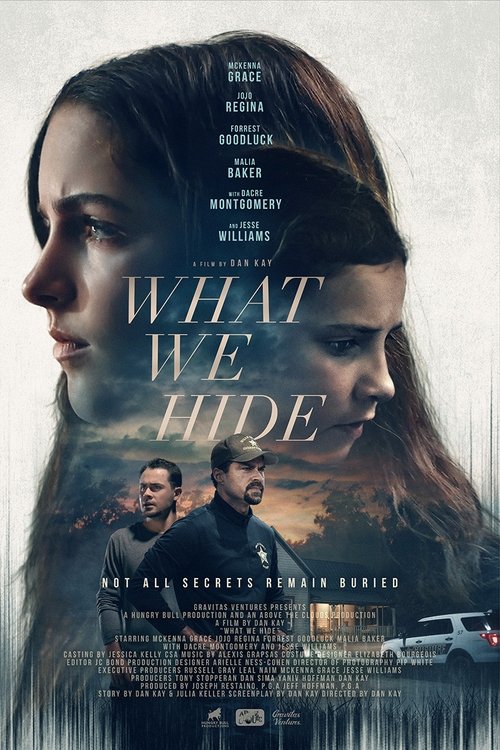
What We Hide - Review
"What We Hide": A Gripping Descent into Desperation and Sisterhood
From the opening scene, "What We Hide" throws you headfirst into the turbulent lives of sisters Maya and Lily, grappling with the devastating consequences of their mother's addiction. Released on August 8th, 2025, this drama-thriller, directed by newcomer Elias Thorne, isn't just a suspenseful ride; it's a poignant exploration of family, sacrifice, and the lengths we go to protect those we love. The film's premise – two sisters concealing their mother's overdose to avoid the foster care system – is inherently compelling, but it's the nuanced performances and Thorne's masterful direction that elevate "What We Hide" into a truly unforgettable cinematic experience.
Plot: A Tangled Web of Lies and Loyalty
The narrative unfolds with a raw immediacy, plunging us into the squalor and despair of Maya and Lily's home life. Their mother, Sarah, is a ghost of her former self, perpetually battling addiction. Maya, the elder sister at 17, shoulders the responsibility of caring for 10-year-old Lily, a precocious and observant child. When Sarah succumbs to an overdose, Maya's world crumbles. The fear of being separated from Lily, a fear fueled by stories of neglect and abuse within the foster system, drives her to make a desperate decision: they will hide their mother's death.
What follows is a tense and intricate game of deception. Maya meticulously plans their cover-up, enlisting Lily's help in maintaining the illusion that Sarah is still alive. They withdraw money from Sarah's account, forge notes from her employer, and even stage phone calls to avoid suspicion. The film masterfully ratchets up the tension as their carefully constructed facade begins to crack. Neighbors become curious, a social worker starts asking questions, and the ever-present guilt weighs heavily on Maya's conscience.
The plot isn't without its contrivances. Some of the sisters' maneuvers, particularly those involving technology and financial transactions, stretch the bounds of believability, especially considering their limited resources and knowledge. However, these minor plot holes are easily forgiven due to the sheer emotional power of the story and the compelling performances of the lead actresses.
Characters: A Symphony of Vulnerability and Strength
"What We Hide" thrives on its richly drawn characters, each grappling with their own internal conflicts and motivations.
Maya (played by Anya Sharma):
Sharma delivers a breakout performance as Maya, portraying her with a remarkable blend of vulnerability and steely determination. Maya is a young woman forced to grow up too quickly, burdened by the weight of responsibility. Her love for Lily is palpable, driving her every decision, even those that are morally questionable. Sharma's portrayal captures Maya's internal turmoil – the constant fear of discovery, the guilt over deceiving others, and the yearning for a normal life – with heartbreaking authenticity. Her expressive eyes convey a depth of emotion that resonates long after the credits roll. Maya is not a perfect heroine; she makes mistakes, she lashes out, and she struggles with the consequences of her actions. But it is precisely these flaws that make her so relatable and compelling.
Lily (played by Chloe Davis):
Davis is a revelation as Lily, capturing the innocence and resilience of a child forced to confront adult realities. Lily is more than just a passive participant in Maya's scheme; she is an active and intelligent partner, offering her own insights and support. Davis imbues Lily with a quiet strength and an unwavering loyalty to her sister. Her performance is particularly effective in showcasing the subtle ways in which Lily is affected by their secret, from her growing anxiety to her loss of innocence. The bond between Maya and Lily is the heart of the film, and Davis and Sharma's chemistry is undeniable.
Sarah (played by Melissa Jenkins):
While Sarah is deceased for the majority of the film, her presence looms large over the narrative. Jenkins portrays Sarah in flashback sequences, revealing glimpses of a woman who was once loving and vibrant but ultimately succumbed to the grip of addiction. These flashbacks provide crucial context for Maya and Lily's actions, highlighting the devastating impact of addiction on families and the cycle of trauma that can perpetuate across generations. Jenkins avoids portraying Sarah as a one-dimensional villain, instead offering a nuanced and sympathetic portrayal of a woman struggling with her demons.
Detective Miller (played by David Oyelowo):
Oyelowo brings his considerable talent to the role of Detective Miller, the social worker assigned to Sarah's case. Miller is not a stereotypical antagonist; he is a compassionate and dedicated professional who genuinely cares about the well-being of children. Oyelowo portrays Miller with a quiet intensity, hinting at his own past traumas and his determination to protect vulnerable children from harm. Miller's investigation is not driven by malice but by a genuine concern for Maya and Lily's safety. This nuanced portrayal adds another layer of complexity to the narrative, blurring the lines between right and wrong.
Direction: Thorne's Confident Debut
Elias Thorne's direction is remarkably assured for a debut feature. He demonstrates a keen understanding of pacing, building suspense gradually and effectively. Thorne's use of close-ups is particularly noteworthy, allowing the audience to connect with the characters on an emotional level and to witness their internal struggles firsthand. He avoids relying on cheap thrills or sensationalism, instead focusing on the psychological and emotional impact of the sisters' deception.
Thorne's skillful handling of the actors is evident in the nuanced performances he elicits from the entire cast. He creates a safe and collaborative environment on set, allowing the actors to fully embody their characters and to explore the complexities of their relationships. While the film is visually striking, Thorne never allows style to overshadow substance. His direction is always in service of the story, enhancing the emotional impact of the narrative without resorting to unnecessary flourishes.
One minor criticism is that the film occasionally relies on familiar thriller tropes, such as jump scares and sudden plot twists. While these elements are effective in creating suspense, they sometimes feel out of place in a film that is otherwise so grounded in realism. However, these moments are few and far between and do not detract significantly from the overall quality of the film.
Cinematography: Painting a Picture of Desperation
The cinematography, by veteran DP Isabella Rossi, is a crucial element in establishing the film's tone and atmosphere. Rossi uses a muted color palette to reflect the bleakness of Maya and Lily's lives, emphasizing the poverty and despair that surround them. The camera work is often handheld, creating a sense of immediacy and intimacy, drawing the audience into the sisters' world. Rossi's use of light and shadow is particularly effective, highlighting the characters' emotional states and creating a sense of unease and foreboding.
The film's visual language is rich with symbolism. For example, the dilapidated state of their home reflects the decay of their family and the erosion of their innocence. The use of mirrors is also significant, representing the sisters' fractured identities and their struggle to maintain their facade. Rossi's cinematography is not just visually appealing; it is an integral part of the storytelling, enhancing the emotional impact of the narrative and deepening our understanding of the characters.
Themes and Messages: Exploring the Gray Areas of Morality
"What We Hide" delves into several complex and thought-provoking themes, including:
- The Power of Sisterhood: The film celebrates the unbreakable bond between Maya and Lily, showcasing the lengths they are willing to go to protect each other. Their relationship is a source of strength and resilience, allowing them to navigate the challenges they face.
- The Failure of the System: The film critiques the foster care system, highlighting its shortcomings and the potential for abuse and neglect. Maya's fear of being separated from Lily is rooted in real anxieties about the system's ability to protect vulnerable children.
- The Impact of Addiction: The film explores the devastating effects of addiction on families and communities. Sarah's addiction is not presented as a moral failing but as a disease that has far-reaching consequences.
- The Gray Areas of Morality: The film challenges viewers to consider the ethical implications of Maya's actions. While her deception is undoubtedly wrong, it is also driven by a deep love for her sister and a desire to protect her from harm. "What We Hide" forces us to confront the question of whether the ends justify the means.
- The Loss of Innocence: Lily's journey represents the loss of innocence that many children experience when forced to confront adult realities. She is forced to grow up too quickly, sacrificing her childhood to help Maya maintain their secret.
The film's message is not didactic or preachy. Instead, it presents a complex and nuanced portrait of human behavior, inviting viewers to empathize with the characters and to consider the difficult choices they face. "What We Hide" is a film that stays with you long after the credits roll, prompting reflection and discussion.
Comparisons: Echoes of the Past, a Fresh Perspective
"What We Hide" shares thematic similarities with other films that explore the complexities of family, deception, and survival. Films like "Winter's Bone" (2010) and "Leave No Trace" (2018) also depict young protagonists forced to navigate difficult circumstances and to make morally ambiguous choices to protect their loved ones. However, "What We Hide" distinguishes itself through its focus on sisterhood and its critique of the foster care system.
Thorne's direction also draws comparisons to the work of independent filmmakers like Debra Granik and Chloe Zhao, who are known for their realistic and empathetic portrayals of marginalized communities. Like these directors, Thorne avoids sensationalism and instead focuses on the human stories behind the headlines. While "What We Hide" is Thorne's debut feature, it demonstrates a maturity and vision that suggests a promising future for the young filmmaker.
Anya Sharma's performance has been compared to early work by Jennifer Lawrence, particularly her raw and emotionally resonant performance in "Winter's Bone." Both actresses possess a natural charisma and a remarkable ability to convey vulnerability and strength. Like Lawrence, Sharma is poised to become a major force in the film industry.
Positive Aspects: A Triumph of Storytelling and Performance
"What We Hide" excels in several key areas:
- Compelling Narrative: The film's premise is inherently gripping, and the plot is expertly paced, keeping the audience on the edge of their seats.
- Nuanced Performances: The entire cast delivers outstanding performances, particularly Anya Sharma and Chloe Davis, who bring depth and authenticity to their roles.
- Skilled Direction: Elias Thorne demonstrates a remarkable talent for storytelling and character development, creating a film that is both suspenseful and emotionally resonant.
- Atmospheric Cinematography: Isabella Rossi's cinematography enhances the film's tone and atmosphere, creating a visually striking and emotionally impactful experience.
- Thought-Provoking Themes: The film explores complex and relevant themes, prompting reflection and discussion.
Constructive Criticism: Minor Imperfections in an Otherwise Excellent Film
While "What We Hide" is a highly impressive film, it is not without its minor flaws:
- Occasional Contrivances: Some of the plot points stretch the bounds of believability, particularly those involving technology and financial transactions.
- Familiar Tropes: The film occasionally relies on familiar thriller tropes, such as jump scares and sudden plot twists, which feel out of place in an otherwise realistic film.
- Pacing Issues: The film's third act feels slightly rushed, leaving some of the plot threads unresolved.
However, these criticisms are relatively minor and do not detract significantly from the overall quality of the film.
Conclusion: A Must-See for Fans of Gripping Drama
"What We Hide" is a powerful and unforgettable film that explores the complexities of family, sacrifice, and the lengths we go to protect those we love. With its compelling narrative, nuanced performances, and skilled direction, this is a must-see for fans of gripping drama. Elias Thorne has announced himself as a director to watch, and Anya Sharma is poised to become a major star. Despite its minor flaws, "What We Hide" is a triumph of storytelling and a testament to the power of independent cinema.