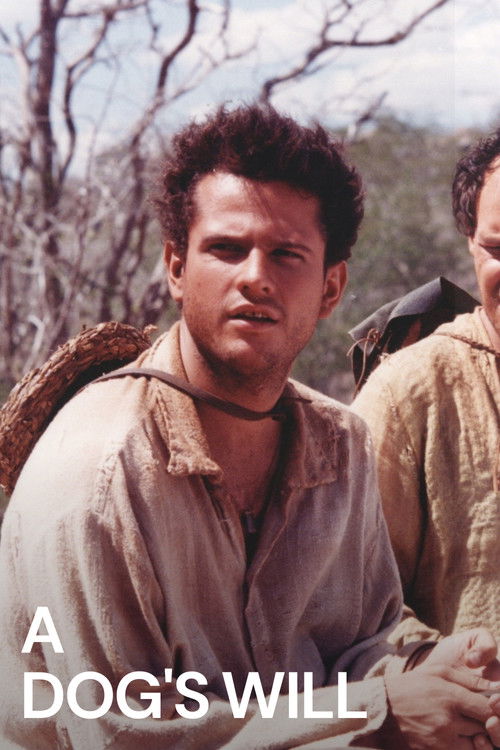
A Dog's Will - Review
A Hilarious Journey to the Afterlife: A Review of "A Dog's Will"
Imagine a courtroom drama, but instead of lawyers and judges, you have Jesus, the Devil, and the Virgin Mary presiding over the fates of two small-time con artists from the impoverished heart of Brazil. That's the delightfully absurd premise of "A Dog's Will" (original title: O Auto da Compadecida), a 2000 film directed by Guel Arraes that's as funny as it is thought-provoking. More than just a comedy, it's a vibrant tapestry woven with elements of folklore, social commentary, and religious satire, all wrapped in a uniquely Brazilian flavor. Prepare to be charmed, challenged, and thoroughly entertained.
Plot: A Hilarious Dance with Death and Destiny
The film centers around João Grilo (Matheus Nachtergaele) and Chicó (Selton Mello), two perpetually hungry and perpetually scheming friends living in the arid backlands of Northeastern Brazil. João, the brains of the operation, is a quick-witted trickster with a silver tongue and a knack for getting into (and usually out of) trouble. Chicó, his loyal but somewhat dim-witted companion, is more concerned with food and survival than moral righteousness.
Their lives are a series of increasingly outrageous cons. They sell a blessed cat that supposedly defecates gold coins, stage a fake miracle to dupe a wealthy landowner, and even attempt to marry off a dog to a wealthy widow, leading to the hilarious titular event. Each scheme is more audacious than the last, highlighting the desperation and resourcefulness born from poverty and the exploitation they face at the hands of the wealthy and powerful.
However, their luck eventually runs out. A shootout during one of their schemes leaves João and Chicó dead, thrusting them into a surreal afterlife. Here, they face judgment for their sins before a celestial court comprised of Jesus Christ, the Devil, and the Virgin Mary. The Devil, portrayed with mischievous glee, eagerly lists their transgressions, while Jesus remains largely silent, observing the proceedings. It is the Virgin Mary, Compadecida (the compassionate one), who serves as their advocate, pleading for their salvation and highlighting the extenuating circumstances of their lives.
The film's brilliance lies in its ability to seamlessly blend the mundane with the divine. The afterlife is not portrayed as a sterile, ethereal realm, but rather as a continuation of the earthly struggles they faced. The characters retain their personalities and flaws, and the humor remains grounded in the realities of their lives. The judgment scene becomes a farcical courtroom drama, with the characters arguing their cases and appealing to the higher powers for mercy.
Characters: A Colorful Cast of Rogues and Saints
João Grilo (Matheus Nachtergaele):
João Grilo is the undisputed star of the show. Nachtergaele delivers a masterful performance, capturing the character's cunning intellect, boundless energy, and surprising vulnerability. João is not simply a con artist; he's a survivor, a product of his harsh environment who uses his wits to navigate a world stacked against him. He's driven by a desire to escape poverty and provide for himself and Chicó, even if it means bending (or breaking) the rules.
Chicó (Selton Mello):
Selton Mello complements Nachtergaele perfectly as Chicó, the loyal but less-than-brilliant sidekick. Mello's portrayal of Chicó is endearing and hilarious. He's often the butt of João's jokes, but his unwavering loyalty and good heart make him a sympathetic character. He's the everyman, the audience's surrogate, reacting with wide-eyed wonder and confusion to the outlandish situations they find themselves in.
The Virgin Mary (Fernanda Montenegro):
Fernanda Montenegro, a legend of Brazilian cinema, brings a gravitas and compassion to the role of the Virgin Mary. She is not a remote, untouchable figure, but rather a warm and understanding advocate for the downtrodden. Her presence brings a much-needed sense of hope and humanity to the proceedings, reminding the audience that even the most flawed individuals deserve a chance at redemption.
The Devil (Marco Nanini):
Marco Nanini's Devil is a far cry from the stereotypical fire-and-brimstone demon. He's mischievous, sarcastic, and almost playful in his condemnation of João and Chicó. He delights in pointing out their sins but also seems to enjoy the absurdity of the situation. He's a complex character, not purely evil but rather an agent of chaos and temptation.
Other Characters:
The supporting cast is equally memorable, each character contributing to the rich tapestry of the film. From the greedy landowners to the corrupt priest, each character represents a different facet of Brazilian society and adds to the film's social commentary.
Direction and Cinematography: Bringing the Backlands to Life
Guel Arraes' direction is masterful, seamlessly blending comedy, drama, and fantasy into a cohesive and engaging whole. He utilizes a fast-paced, energetic style that keeps the audience on their toes, never allowing the film to become bogged down in its more serious themes. He also elicits brilliant performances from his cast, allowing them to fully embody their characters and bring them to life with humor and heart.
The cinematography is equally impressive, capturing the beauty and harshness of the Brazilian backlands. The film utilizes vibrant colors and dynamic camera angles to create a visually stunning experience. The landscapes are both breathtaking and unforgiving, reflecting the lives of the characters who inhabit them. The use of light and shadow is particularly effective, creating a sense of atmosphere and highlighting the emotional nuances of the story.
Themes and Messages: More Than Just a Comedy
While "A Dog's Will" is undeniably funny, it's also a film with a profound message. It explores themes of poverty, social injustice, corruption, and the power of faith and compassion. The film critiques the inequalities of Brazilian society, highlighting the struggles of the poor and the exploitation they face at the hands of the wealthy and powerful. It also satirizes religious hypocrisy, exposing the corruption and self-serving behavior of some religious figures.
However, the film is not entirely cynical. It also celebrates the resilience and resourcefulness of the human spirit. João and Chicó, despite their flaws, are ultimately sympathetic characters who are simply trying to survive in a world that offers them little opportunity. The film suggests that even in the face of adversity, hope and compassion can prevail. The Virgin Mary's unwavering belief in their inherent goodness serves as a powerful reminder of the importance of empathy and forgiveness.
The film also explores the nature of faith and belief. The characters' interactions with Jesus, the Devil, and the Virgin Mary raise questions about the nature of good and evil, sin and redemption. The film suggests that judgment is not simply a matter of following rules but also of understanding the circumstances that shape our actions. It's a nuanced and thought-provoking exploration of faith that avoids simplistic answers and encourages viewers to question their own beliefs.
Performances: A Showcase of Brazilian Talent
The performances in "A Dog's Will" are nothing short of exceptional. Matheus Nachtergaele and Selton Mello are perfectly cast as João Grilo and Chicó, respectively. Their chemistry is palpable, and their comedic timing is impeccable. They bring a level of energy and enthusiasm to their roles that is infectious, drawing the audience into their world and making them feel invested in their fates.
Fernanda Montenegro is equally impressive as the Virgin Mary. She brings a sense of dignity and grace to the role, making her a believable and sympathetic advocate for João and Chicó. Marco Nanini's portrayal of the Devil is delightfully mischievous, adding a layer of humor and complexity to the character.
The supporting cast is also outstanding, each actor bringing their own unique talent to the film. The performances are uniformly strong, contributing to the overall quality and impact of the film.
Comparison to Other Films and Works
"A Dog's Will" draws inspiration from the auto tradition of medieval Iberian theatre, particularly the works of Gil Vicente. These plays often featured allegorical characters and explored themes of morality and redemption in a satirical and humorous way. The film updates this tradition for a modern audience, incorporating elements of Brazilian folklore and social commentary.
The film also shares similarities with other works of Brazilian cinema that explore themes of poverty, social injustice, and religious hypocrisy. Films like "Black God, White Devil" (Deus e o Diabo na Terra do Sol) by Glauber Rocha and "Pixote" by Hector Babenco offer stark and unflinching portrayals of the realities of life in Brazil. However, "A Dog's Will" distinguishes itself through its unique blend of comedy, drama, and fantasy, offering a more accessible and ultimately more hopeful vision.
Guel Arraes, the director, is known for his work in Brazilian television and film, often incorporating elements of humor and satire into his stories. "A Dog's Will" is considered one of his best works, showcasing his ability to blend entertainment with social commentary.
Positive Aspects and Constructive Criticism
Positive Aspects:
- Brilliant Performances: The cast is uniformly excellent, bringing the characters to life with humor, heart, and authenticity.
- Engaging Story: The plot is fast-paced, unpredictable, and full of surprises.
- Thought-Provoking Themes: The film explores complex themes of poverty, social injustice, and faith in a nuanced and engaging way.
- Beautiful Cinematography: The film captures the beauty and harshness of the Brazilian backlands with stunning visuals.
- Unique Blend of Genres: The film seamlessly blends comedy, drama, and fantasy into a cohesive and entertaining whole.
Constructive Criticism:
- Pacing: At times, the film's fast-paced energy can feel overwhelming, making it difficult to fully absorb the nuances of the story. While the energy is generally a strength, a few moments of quiet reflection could have added depth.
- Character Development: While João and Chicó are well-developed characters, some of the supporting characters could have benefited from more screen time and exploration.
- Cultural Nuances: Some of the cultural references and humor may be lost on viewers unfamiliar with Brazilian culture and folklore. While the film is generally accessible, a deeper understanding of the cultural context can enhance the viewing experience.
Conclusion and Rating
"A Dog's Will" is a truly remarkable film that deserves to be seen by a wider audience. It's a hilarious, thought-provoking, and visually stunning masterpiece that offers a unique and insightful glimpse into Brazilian culture and society. The film's brilliant performances, engaging story, and profound themes make it a truly unforgettable experience. Despite some minor flaws, "A Dog's Will" is a must-see for anyone who appreciates intelligent and entertaining cinema.
Rating: 9.5/10