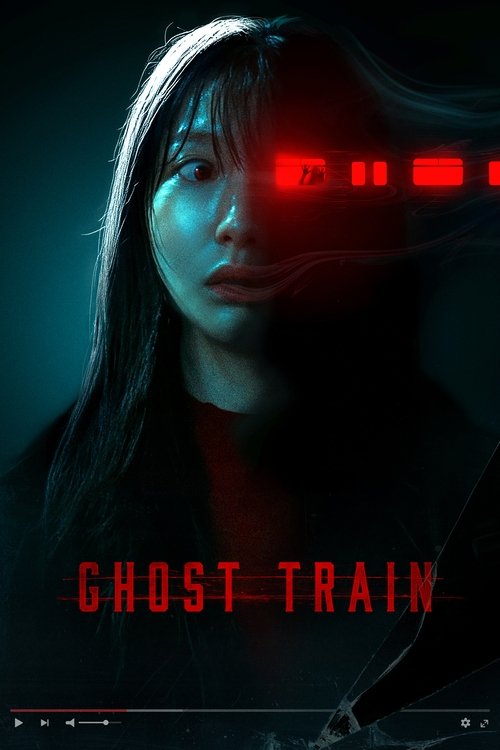
Ghost Train - Review
Ghost Train: A Terrifying Ride on the Tracks of Obsession
The chilling screech of brakes, the flickering fluorescent lights, the unsettling silence broken only by the drip…drip…drip of unseen water. These are the hallmarks of a good horror film, and “Ghost Train,” released on July 9th, 2025, delivers them in spades. Director Park Ji-hoon, known for his atmospheric thrillers, takes us on a terrifying ride into the heart of urban legend and the insatiable hunger for online validation in this gripping Korean horror flick. But does the train reach its destination, or does it derail under the weight of its own ambition? Let's delve into the depths of Gwanglim Station and find out.
Plot: A Descent into Darkness
The narrative hinges on Da-kyung, a horror YouTuber whose channel is teetering on the brink of irrelevance. Desperate for a viral hit, she stumbles upon the legend of Gwanglim Station, infamous for its unusually high number of missing persons cases. The station, shrouded in whispers and local folklore, becomes the perfect subject for her next video. Her initial upload, a compilation of creepy anecdotes and grainy photos, explodes overnight, catapulting Da-kyung into the spotlight. Emboldened by her newfound fame, she ignores the growing unease and the increasingly ominous warnings from her friends and family, diving headfirst into the mystery of Gwanglim Station.
What begins as a quest for internet fame quickly transforms into a terrifying descent into the supernatural. Da-kyung uncovers a dark secret buried beneath the station, a secret involving a series of ritualistic disappearances and a malevolent entity that preys on the lost and vulnerable. As she delves deeper, the line between reality and the digital world blurs, and Da-kyung finds herself increasingly haunted by the very ghosts she sought to exploit. The plot is cleverly constructed, gradually escalating the tension and unveiling the mystery piece by piece. The initial jump scares are replaced by a creeping sense of dread and psychological unease, making for a truly unsettling viewing experience.
However, the plot isn't without its flaws. While the initial setup is strong, the middle act occasionally suffers from pacing issues. Some of the investigative scenes feel repetitive, and the exposition dumps, while necessary for understanding the complex backstory, can feel a bit clunky. Furthermore, the film relies on a few familiar horror tropes, such as the "idiot plot" where characters make questionable decisions that directly lead to their doom. While these tropes are effective in creating suspense, they can also detract from the overall originality of the film.
Characters: Driven by Obsession, Consumed by Fear
The strength of "Ghost Train" lies in its compelling characters, particularly Da-kyung, played with captivating intensity by Kim So-hyun. Da-kyung is not just a stereotypical horror protagonist; she is a complex and flawed individual driven by ambition and a deep-seated need for validation. Her obsession with online fame blinds her to the dangers lurking beneath the surface, making her a tragically relatable figure. Kim So-hyun perfectly captures Da-kyung's transformation from a confident and ambitious YouTuber to a terrified and desperate victim. Her performance is nuanced and believable, making the audience truly invest in her fate.
The supporting characters, while not as fully developed as Da-kyung, also play crucial roles in the narrative. Ji-hoon, Da-kyung's loyal cameraman, provides a much-needed voice of reason and serves as the audience's surrogate, questioning Da-kyung's increasingly reckless behavior. His growing concern for her safety adds a layer of emotional depth to the film. Similarly, Detective Park, the weary investigator assigned to the missing persons cases, offers a grounded perspective on the supernatural events unfolding at Gwanglim Station. His skepticism gradually gives way to acceptance as he witnesses the terrifying reality firsthand.
One minor criticism is the lack of backstory for some of the supporting characters. While their motivations are clear, a deeper exploration of their personal lives would have added more weight to their actions and made their fates more impactful. For example, Detective Park's personal connection to the missing persons cases is hinted at but never fully explored, leaving a sense of missed opportunity.
Direction: Crafting Atmosphere and Suspense
Park Ji-hoon's direction is masterful, creating a palpable sense of dread and unease throughout the film. He expertly utilizes lighting, sound design, and camera angles to build suspense and create a truly immersive horror experience. The claustrophobic atmosphere of Gwanglim Station is particularly effective, with the dimly lit tunnels and echoing chambers amplifying the sense of isolation and vulnerability. The director's use of slow, deliberate pacing in the first half of the film allows the tension to gradually build, culminating in a series of terrifying and visceral set pieces in the final act.
Park Ji-hoon also demonstrates a keen understanding of visual storytelling. He utilizes subtle visual cues and foreshadowing to hint at the dark secrets hidden within Gwanglim Station, rewarding attentive viewers and adding layers of depth to the narrative. The director avoids relying solely on jump scares, instead opting for a more psychological approach to horror. The unsettling imagery and the creeping sense of dread are far more effective than cheap thrills, leaving a lasting impression on the audience.
However, there are moments where the direction feels a bit derivative. Some of the visual tropes, such as the flickering lights and the distorted reflections, have been used extensively in other horror films. While these tropes are effective, they can also make the film feel somewhat predictable at times. A more original visual style would have elevated "Ghost Train" to an even higher level.
Cinematography: Painting a Picture of Fear
The cinematography, helmed by Lee Seung-hwan, is a crucial element in creating the film's unsettling atmosphere. The use of desaturated colors and stark lighting creates a sense of bleakness and despair, perfectly capturing the oppressive atmosphere of Gwanglim Station. The camera work is dynamic and engaging, utilizing a variety of shots and angles to build suspense and draw the viewer into the heart of the story. The close-up shots of the characters' faces effectively convey their fear and desperation, while the wide shots of the station's sprawling tunnels emphasize their isolation and vulnerability.
The use of handheld cameras during the more intense scenes adds a sense of realism and immediacy, making the audience feel like they are right there with the characters as they navigate the treacherous depths of Gwanglim Station. The visual effects, while not groundbreaking, are seamlessly integrated into the film and effectively enhance the horror elements. The ghostly apparitions are rendered with a chilling realism, adding to the overall sense of dread.
One minor critique is the overuse of shaky cam in certain scenes. While it effectively conveys the characters' disorientation and panic, it can also become distracting at times, making it difficult to follow the action. A more judicious use of this technique would have been more effective.
Performances: Delivering the Terror
The performances in "Ghost Train" are uniformly strong, with the cast fully committing to their roles and delivering believable and emotionally resonant performances. Kim So-hyun's portrayal of Da-kyung is particularly noteworthy. She perfectly captures the character's ambition, vulnerability, and eventual descent into madness. Her performance is both captivating and heartbreaking, making the audience truly empathize with her plight.
The supporting cast also delivers solid performances. Choi Min-ho as Ji-hoon provides a grounded and relatable perspective, while Park Hyo-joo as Detective Park brings a sense of gravitas and authority to her role. The ensemble cast works together seamlessly, creating a believable and engaging world that draws the audience into the heart of the story.
There are no weak links in the cast, and each actor brings their A-game to the table. The strong performances elevate the film beyond its genre conventions and make it a truly memorable and impactful horror experience.
Themes and Messages: The Price of Fame and the Perils of Obsession
"Ghost Train" explores several compelling themes, most notably the price of fame and the perils of obsession. Da-kyung's relentless pursuit of online validation ultimately leads to her downfall, highlighting the dangers of prioritizing virtual recognition over real-world connections. The film serves as a cautionary tale about the addictive nature of social media and the lengths people will go to in order to achieve internet fame. It also examines the corrosive effects of obsession, demonstrating how it can blind individuals to the dangers lurking beneath the surface and lead them down a path of destruction.
Furthermore, the film touches upon themes of grief, loss, and the power of memory. The missing persons cases at Gwanglim Station represent a collective trauma for the community, and the station itself becomes a repository of lost souls and unresolved grief. The film suggests that these unresolved emotions can manifest in supernatural ways, haunting the living and perpetuating a cycle of suffering.
The film also raises questions about the nature of truth and the power of belief. The urban legends surrounding Gwanglim Station gain power through collective belief, and Da-kyung's investigation inadvertently amplifies these beliefs, making the supernatural forces even stronger. The film suggests that our perceptions of reality are shaped by our beliefs and that the line between the real and the imagined is often blurred.
Comparison to Similar Films and Previous Works
"Ghost Train" shares thematic similarities with other Korean horror films that explore the intersection of technology and the supernatural, such as "The Wailing" (2016) and "Gonjiam: Haunted Asylum" (2018). Like these films, "Ghost Train" utilizes modern technology, in this case, social media, to amplify the horror elements and create a sense of immediacy. It also draws inspiration from Japanese horror classics like "Ringu" (1998) and "Ju-On: The Grudge" (2002), utilizing similar tropes such as ghostly apparitions and vengeful spirits.
In terms of Park Ji-hoon's previous work, "Ghost Train" represents a significant step up in terms of both scope and ambition. While his earlier films were primarily low-budget thrillers, "Ghost Train" boasts a higher production value and a more complex narrative. The director's signature style, characterized by atmospheric tension and psychological horror, is still present, but it is refined and elevated in "Ghost Train."
Kim So-hyun's performance in "Ghost Train" can be compared to her previous roles in horror-adjacent dramas such as "Bring It On, Ghost" (2016) and "Radio Romance" (2018), where she demonstrated her ability to portray both vulnerability and strength. However, her performance in "Ghost Train" is arguably her most mature and nuanced to date, showcasing her range as an actress.
Positive Aspects
- Compelling and complex characters
- Masterful direction and cinematography
- Strong performances from the entire cast
- Effective use of atmosphere and suspense
- Thought-provoking themes and messages
Constructive Criticism
- Pacing issues in the middle act
- Reliance on familiar horror tropes
- Lack of backstory for some supporting characters
- Overuse of shaky cam in certain scenes
- Derivative visual style in some moments
Conclusion
"Ghost Train" is a chilling and thought-provoking horror film that explores the dark side of internet fame and the dangers of obsession. Director Park Ji-hoon delivers a masterful and suspenseful experience, while the strong performances from the cast, particularly Kim So-hyun, elevate the film beyond its genre conventions. While it suffers from some minor pacing issues and a reliance on familiar tropes, "Ghost Train" is ultimately a worthwhile and memorable horror experience that will leave you questioning the price of validation and the power of belief. It's a ride you won't soon forget, even if you wish you could.
Rating: 8.5/10