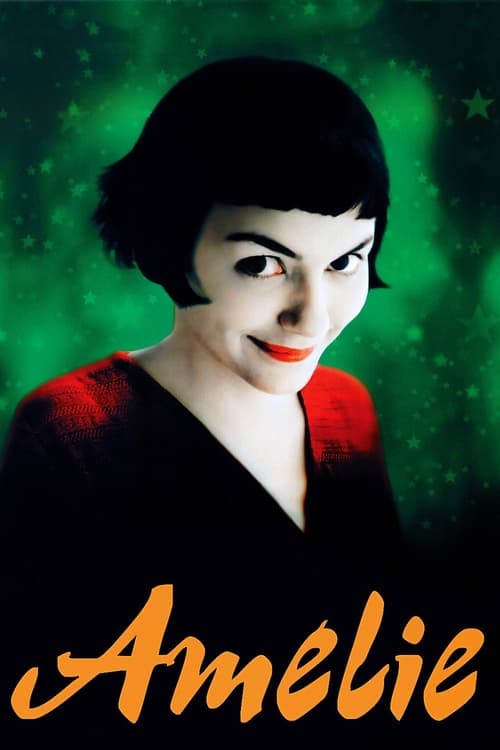
Amélie - Review
Amélie: A Parisian Slice of Whimsy and Wonder
Jean-Pierre Jeunet's Amélie, released in 2001, isn't just a film; it's an experience. A technicolor dreamscape set against the charming backdrop of Montmartre, it's a film that whispers secrets of kindness, serendipity, and the quiet joy of making a difference. It's a film that dares to embrace the quirky, the unconventional, and the undeniably heartwarming. But is this saccharine sweetness too much? Does the film's fantastical elements overshadow its deeper messages? Let's delve into the delightful world of Amélie Poulain and explore the magic, the artistry, and the potential pitfalls of this beloved cinematic gem.
Plot: A Chronicle of Quiet Revolution
The film opens with a whimsical biography of Amélie Poulain (Audrey Tautou), detailing her unusual childhood marked by an over-imaginative mind and social isolation. Her father, a withdrawn doctor, misdiagnoses her rapid heartbeat as a heart condition, leading to her being homeschooled and deprived of interaction with other children. This isolation fuels her creativity and her observant nature. Upon leaving home to work as a waitress at the Café des Deux Moulins in Montmartre, Amélie continues to live a solitary, albeit content, life.
Everything changes when, in 1997, the world mourns Princess Diana's death. Amélie discovers a hidden box of childhood treasures behind a loose tile in her apartment. Moved by the discovery, she resolves to find the box's owner and return it. This act of kindness ignites a passion within her: to secretly intervene in the lives of others, spreading joy and justice in her own unique and unconventional way. She orchestrates a romance between a lonely colleague and a grumpy regular, plays elaborate pranks on a cruel greengrocer, and reconnects a grieving painter with his lost love.
However, Amélie's focus on others leaves her own life stagnant. She yearns for connection but struggles with her shyness and fear of rejection. Her path crosses with Nino Quincampoix (Mathieu Kassovitz), an eccentric young man who collects discarded photobooth pictures. Intrigued by his quirky passion and his own social awkwardness, Amélie finds herself drawn to him. The film then follows Amélie’s journey to overcome her fears and pursue a relationship with Nino, often using the same playful tactics she employs to help others. The plot is less about grand narrative arcs and more about a series of interconnected vignettes, each highlighting Amélie's impact on the lives around her.
Characters: A Gallery of Eccentric Souls
Amélie thrives on its cast of unforgettable characters. Each individual is meticulously crafted, possessing unique quirks and backstories that contribute to the film's overall charm.
- Amélie Poulain (Audrey Tautou): The heart and soul of the film, Amélie is a complex character. She is outwardly shy and introverted, yet inwardly imaginative and fiercely independent. Her desire to help others stems from a deep-seated loneliness and a yearning for connection. Tautou's performance is captivating, perfectly capturing Amélie's mix of innocence, mischievousness, and vulnerability.
- Nino Quincampoix (Mathieu Kassovitz): Nino is Amélie's kindred spirit, an equally eccentric and socially awkward young man. His obsession with collecting discarded photobooth pictures reflects his fascination with fleeting moments and hidden stories. Kassovitz portrays Nino with a charming awkwardness that makes him instantly relatable.
- Raymond Dufayel (Serge Merlin): Known as the "Glass Man," Dufayel is Amélie's neighbor, an elderly artist who has spent 20 years meticulously recreating Renoir's "Luncheon of the Boating Party." He serves as Amélie's confidante and advisor, offering insightful observations about life and love. His character provides a grounding presence amidst the film's fantastical elements.
- Joseph (Dominique Pinon): The jealous and obsessive lover of Georgette, Joseph is a regular at the Café des Deux Moulins. His paranoia and insecurity provide comedic relief, but also highlight the darker side of human relationships.
- Suzanne (Isabelle Nanty): The perpetually unlucky owner of the Café des Deux Moulins, Suzanne offers a sympathetic ear and a touch of realism to the film's otherwise whimsical atmosphere.
- Lucien (Jamel Debbouze): The abused and downtrodden greengrocer's assistant, Lucien becomes the target of Amélie's playful vengeance. His character highlights the film's theme of justice and the importance of standing up to bullies.
These characters, and many others, are not simply plot devices; they are fully realized individuals with their own hopes, fears, and desires. They contribute to the rich tapestry of Parisian life that Jeunet so lovingly portrays.
Direction and Cinematography: A Visual Feast
Jean-Pierre Jeunet's direction is the driving force behind Amélie's unique visual style. He creates a world that is both grounded in reality and infused with fantasy. His use of vibrant colors, quirky camera angles, and exaggerated expressions gives the film a dreamlike quality.
The cinematography, by Bruno Delbonnel, is equally stunning. The film is bathed in warm, saturated hues, particularly reds and greens, creating a visually rich and inviting atmosphere. Delbonnel's use of natural light and close-ups emphasizes the characters' emotions and adds to the film's intimacy. The camera often glides and dances, mirroring Amélie's playful spirit and drawing the viewer into her world. The film employs innovative visual effects, such as stop-motion animation and exaggerated zooms, to enhance the film's whimsical tone and emphasize key moments. These techniques, while sometimes bordering on the excessive, contribute to the film's overall sense of playful experimentation.
Jeunet's attention to detail is remarkable. Every frame is meticulously composed, filled with visual gags and subtle references that reward repeat viewings. The film is a feast for the eyes, a testament to the power of visual storytelling.
Performances: Tautou's Triumph
Audrey Tautou's performance as Amélie Poulain is nothing short of iconic. She embodies the character's innocence, vulnerability, and mischievousness with effortless grace. Her expressive eyes and subtle gestures convey a range of emotions, from quiet contemplation to unbridled joy. Tautou's performance is not just acting; it's a transformation. She becomes Amélie, capturing the character's essence and making her instantly relatable to audiences worldwide.
The supporting cast is equally strong. Mathieu Kassovitz brings a charming awkwardness to the role of Nino Quincampoix, making him a perfect match for Amélie. Serge Merlin delivers a poignant and insightful performance as Raymond Dufayel, the "Glass Man." The ensemble cast works together seamlessly, creating a believable and engaging portrayal of Parisian life.
While Tautou's performance undoubtedly steals the show, the strength of the supporting cast should not be overlooked. Each actor brings their own unique talent and personality to their respective roles, contributing to the film's overall richness and depth.
Themes and Messages: Kindness and Connection
Amélie explores a number of important themes, including:
- The Power of Kindness: The film emphasizes the transformative power of small acts of kindness. Amélie's interventions in the lives of others, however seemingly insignificant, have a profound impact, bringing joy, hope, and connection to those around her.
- The Importance of Human Connection: Amélie's own journey is about overcoming her shyness and fear of rejection to find love and connection with Nino. The film suggests that human connection is essential for happiness and fulfillment.
- Embracing the Quirky and Unconventional: Amélie celebrates individuality and encourages viewers to embrace their own unique quirks and passions. The film suggests that it is our differences that make us interesting and that we should not be afraid to be ourselves.
- Finding Joy in the Everyday: The film highlights the beauty and wonder that can be found in everyday life. Amélie finds joy in simple pleasures, such as cracking crème brûlée with a spoon or skipping stones on the Canal Saint-Martin.
- Overcoming Fear: A central theme is Amélie's struggle to overcome her fear of vulnerability and rejection in order to pursue her own happiness. The film encourages viewers to confront their fears and take risks in order to achieve their dreams.
The film's message is ultimately one of hope and optimism. It suggests that even in a world that can often seem cynical and disconnected, there is still room for kindness, compassion, and human connection.
Comparisons: Jeunet's Signature Style and Similar Romances
Amélie is often compared to Jean-Pierre Jeunet's earlier work, particularly Delicatessen (1991) and The City of Lost Children (1995). All three films share Jeunet's signature visual style, characterized by vibrant colors, quirky characters, and a blend of fantasy and reality. However, Amélie is arguably more optimistic and heartwarming than his earlier films, which tend to be darker and more surreal.
In terms of genre, Amélie can be compared to other romantic comedies, such as Annie Hall (1977), When Harry Met Sally... (1989), and (500) Days of Summer (2009). However, Amélie stands out for its unique visual style and its emphasis on the importance of kindness and human connection. Unlike many romantic comedies that focus solely on the romantic relationship between the two main characters, Amélie explores a wider range of human relationships and emphasizes the importance of community. It also shares similarities with films like Big Fish (2003) in its use of fantastical elements to explore deeper emotional truths.
Positive Aspects: A Cinematic Delight
Amélie is a film that is overflowing with positive qualities. Its visual style is stunning, its characters are unforgettable, and its message is heartwarming. The film's unique blend of fantasy and reality creates a world that is both magical and believable. Tautou's performance is a tour de force, and the supporting cast is equally strong. The film's humor is both clever and endearing, and its soundtrack is perfectly suited to its whimsical tone. Amélie is a film that will stay with you long after the credits have rolled, reminding you of the importance of kindness, connection, and finding joy in the everyday.
Specifically, the film's innovative use of narration is a highlight. The narrator's voice, often whimsical and omniscient, adds another layer of charm and provides insightful commentary on the characters' thoughts and actions. The film's pacing is also expertly handled, allowing the story to unfold at a leisurely pace while still maintaining a sense of momentum. The film's ending, while somewhat predictable, is ultimately satisfying, leaving the viewer with a sense of hope and optimism.
Constructive Criticism: A Touch Too Sweet?
While Amélie is undoubtedly a delightful film, it is not without its flaws. Some critics have argued that the film's sweetness can be overwhelming at times, bordering on the saccharine. The film's idealized portrayal of Parisian life may also be seen as unrealistic and overly romanticized. The film's focus on Amélie's interventions in the lives of others can also be seen as somewhat manipulative, as she often imposes her own will on those around her without their explicit consent. Furthermore, the film's reliance on visual gags and quirky characters can sometimes feel forced, detracting from the film's emotional depth.
Another potential criticism is the film's lack of diversity. The cast is predominantly white, and the film's portrayal of Parisian life does not fully reflect the city's multicultural reality. While the film's focus is on a specific neighborhood and a particular group of people, its lack of diversity can be seen as a missed opportunity to explore a wider range of perspectives and experiences.
Finally, some viewers may find the film's plot to be somewhat episodic and lacking in a strong central narrative. While the film's vignettes are often charming and entertaining, they do not always coalesce into a cohesive whole. The film's ending, while satisfying, can also be seen as somewhat abrupt, leaving some viewers wanting more.
Conclusion: A Timeless Classic
Despite its minor flaws, Amélie remains a truly special film. Its unique visual style, unforgettable characters, and heartwarming message have resonated with audiences worldwide. It's a film that celebrates the power of kindness, the importance of human connection, and the beauty of everyday life. While its sweetness may not appeal to everyone, its charm and artistry are undeniable. Amélie is a cinematic delight that will continue to enchant and inspire viewers for years to come. It's a reminder that even in the most ordinary of lives, there is always room for magic and wonder.