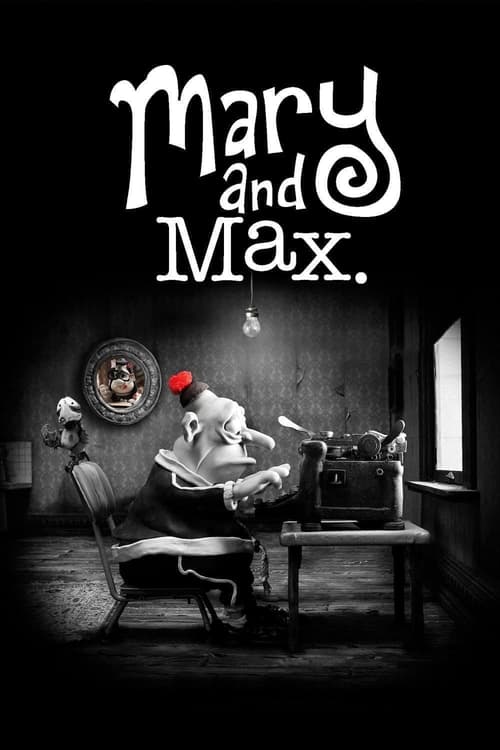
Mary and Max - Review
A Bitterly Sweet Symphony of Loneliness: A Review of "Mary and Max"
Mary and Max, Adam Elliot's 2009 stop-motion masterpiece, is not your typical animated film. It's a poignant, deeply moving, and often darkly humorous exploration of loneliness, connection, and the beautiful imperfections that make us human. Forget the saccharine sweetness of Disney; this is a film that dares to delve into the raw, uncomfortable truths of human existence, leaving a lasting impression long after the credits roll. Prepare to be emotionally challenged, profoundly touched, and perhaps even a little bit changed.
Plot: A Transatlantic Tapestry of Imperfection
The narrative of Mary and Max unfolds with the deliberate pacing of a handwritten letter, each scene carefully crafted to reveal the inner lives of its two protagonists. Mary Dinkle, a lonely eight-year-old girl living in Mount Waverley, Australia, is plagued by a birthmark on her forehead, a perpetually inebriated mother, and a father who spends his days gluing labels onto teabags. In a moment of impulsive curiosity, she selects a name at random from a New York City telephone directory and writes a letter to Max Horowitz, a 44-year-old, severely obese, and Asperger's-afflicted man living a solitary life in Brooklyn.
Max, initially overwhelmed and anxious by Mary's unexpected correspondence, eventually responds, marking the beginning of a decades-long friendship built on shared vulnerabilities and a mutual understanding of the world's often bewildering complexities. Their letters become a lifeline, a space where they can confess their deepest fears, share their quirky observations, and find solace in the knowledge that they are not entirely alone. We witness their lives unfold through their written words and Elliot's masterful visual storytelling. Mary grows up, experiences heartbreak, and pursues her academic ambitions, while Max battles his inner demons, navigates the challenges of Asperger's, and grapples with the weight of his own anxieties.
The plot isn't driven by grand adventures or dramatic conflicts in the traditional sense. Instead, it's a character-driven exploration of their evolving relationship and the impact they have on each other's lives. The film cleverly uses the epistolary format to reveal their personalities, their flaws, and their enduring capacity for empathy.
Characters: Flawed, Authentic, and Utterly Relatable
The strength of Mary and Max lies in its richly drawn and deeply empathetic characters. They are not idealized versions of humanity; they are flawed, awkward, and often painfully honest. This authenticity is what makes them so relatable and endearing.
Mary Dinkle: The Innocent Observer
Mary, voiced initially by Bethany Whitmore and later by Toni Collette, is a child yearning for connection and understanding in a world that often seems indifferent to her needs. Her loneliness stems from her perceived imperfections and the dysfunctional environment she inhabits. She is curious, intelligent, and possesses a remarkable capacity for empathy, which ultimately leads her to reach out to Max. As she grows older, Mary's naivety gradually fades, replaced by a more mature understanding of the world's complexities, but her core desire for connection remains constant.
Max Horowitz: The Agoraphobic Genius
Max, voiced by Philip Seymour Hoffman, is a complex and deeply sympathetic character. Living with Asperger's syndrome, he struggles to navigate social situations, interpret social cues, and manage his anxieties. His obesity is a physical manifestation of his emotional burdens, a shield against a world that often feels overwhelming. Despite his challenges, Max is incredibly intelligent, possessing a vast knowledge of trivia and a unique perspective on life. His honesty, vulnerability, and unwavering friendship with Mary are what make him so compelling.
Supporting Characters: Reflections of Societal Quirks
The supporting characters, though less central to the narrative, are equally well-developed and contribute to the film's rich tapestry of human experience. Mary's parents, her neighbor Damian, and Max's psychologist are all memorable figures who add depth and complexity to the story. They represent different facets of society and highlight the various forms of loneliness and isolation that can exist within a community.
Direction: Stop-Motion Mastery and Emotional Nuance
Adam Elliot's direction is nothing short of masterful. His use of stop-motion animation is not merely a stylistic choice; it's an integral part of the film's storytelling. The tactile, handcrafted nature of the animation lends a sense of authenticity and intimacy to the characters and their world. The deliberate, sometimes jerky movements of the clay figures mirror the awkwardness and imperfections of human interaction.
Elliot's attention to detail is remarkable. Every object, every facial expression, every subtle gesture is carefully crafted to convey the characters' emotions and personalities. The film's visual language is rich with symbolism and metaphor, adding layers of meaning to the narrative. For example, the use of sepia tones to depict Mary's world and splashes of color to represent moments of joy or connection is a subtle but effective way of conveying the characters' emotional states.
Furthermore, Elliot's ability to balance humor and pathos is truly exceptional. The film is filled with moments of dark humor and quirky observations that provide levity amidst the heavier themes of loneliness and mental illness. He never shies away from the difficult aspects of human existence, but he also manages to find moments of hope and beauty in the most unexpected places.
Cinematography: A Palette of Emotion
The cinematography in Mary and Max is deliberately restrained, reflecting the characters' confined worlds and emotional states. The predominantly sepia-toned palette of Mary's world underscores her feelings of isolation and the drabness of her surroundings. In contrast, Max's world is often depicted in shades of gray, reflecting his anxieties and the overwhelming nature of his condition. However, moments of connection and joy are often represented by bursts of color, such as the vibrant red of Mary's pom-pom or the blue of Max's favorite Smurfs. These subtle uses of color create a powerful visual language that enhances the film's emotional impact.
The camera angles and compositions are also carefully considered. Close-ups are used to emphasize the characters' facial expressions and convey their inner thoughts, while wide shots are used to highlight their isolation and the vastness of the world around them. The use of slow, deliberate camera movements adds to the film's sense of intimacy and allows the audience to fully immerse themselves in the characters' experiences.
Performances: Voicing Vulnerability
The voice acting in Mary and Max is exceptional, bringing the characters to life with nuance and authenticity. Bethany Whitmore and Toni Collette perfectly capture Mary's evolution from a naive child to a thoughtful young woman. Philip Seymour Hoffman's portrayal of Max is nothing short of brilliant. He imbues the character with a vulnerability, intelligence, and underlying sadness that is both heartbreaking and deeply moving. The supporting cast also delivers strong performances, adding depth and texture to the film's ensemble.
The voice actors don't just read their lines; they embody their characters, conveying their emotions through subtle inflections, pauses, and changes in tone. Their performances are so convincing that it's easy to forget that you're watching animated characters. They create a sense of intimacy and connection that draws the audience into the story and makes them feel deeply invested in the characters' fates.
Themes and Messages: Connecting in a Disconnected World
Mary and Max explores a multitude of complex and universal themes, including loneliness, friendship, mental illness, acceptance, and the search for meaning in life. The film suggests that even in a world that often feels isolating and disconnected, genuine connection is possible, even with the most unlikely of individuals.
The Power of Connection
The central theme of the film is the transformative power of connection. Mary and Max's friendship provides them with a sense of belonging, validation, and hope that they wouldn't have otherwise had. Their letters become a lifeline, a space where they can be themselves without fear of judgment. The film argues that human connection is essential for our well-being and that even small acts of kindness and empathy can make a profound difference in someone's life.
Embracing Imperfection
Mary and Max celebrates the beauty of imperfection. Both characters are flawed in their own ways, but it is precisely these flaws that make them so relatable and endearing. The film suggests that true acceptance comes from embracing our imperfections and recognizing that everyone is struggling with their own challenges. It encourages us to be more compassionate and understanding towards ourselves and others.
Mental Illness and Societal Attitudes
The film tackles the sensitive topic of mental illness with honesty and empathy. Max's struggles with Asperger's syndrome are depicted with nuance and understanding, highlighting the challenges he faces in navigating social situations and managing his anxieties. The film also touches on the societal stigma surrounding mental illness and the importance of seeking help. It encourages viewers to be more aware of mental health issues and to create a more supportive and inclusive environment for those who are struggling.
Finding Meaning in the Mundane
Mary and Max suggests that meaning can be found in the simplest of things, from collecting bottle caps to writing letters to a pen pal. The film encourages us to appreciate the small moments of joy and connection that make life worth living. It reminds us that even in the face of adversity, there is always hope and that we can find meaning and purpose in our lives by connecting with others and embracing our unique perspectives.
Comparison to Similar Films and Previous Works
Mary and Max shares thematic similarities with other films that explore the complexities of human connection and the challenges of mental illness. Films like *Harold and Maude* and *Benny & Joon* also feature unconventional relationships that challenge societal norms and celebrate the beauty of individuality. However, Mary and Max stands apart in its unique visual style and its unflinching portrayal of loneliness and isolation.
Adam Elliot's previous works, such as his Oscar-winning short film *Harvie Krumpet*, also explore similar themes of loneliness, imperfection, and the search for meaning in life. His distinctive stop-motion animation style and his ability to blend humor and pathos are hallmarks of his filmmaking. Mary and Max represents a significant step forward in his career, showcasing his maturity as a storyteller and his mastery of the stop-motion medium.
Positive Aspects
- Emotional Depth and Authenticity: The film's raw and honest portrayal of loneliness, mental illness, and human connection is incredibly moving and relatable.
- Masterful Stop-Motion Animation: Adam Elliot's unique visual style is both beautiful and expressive, enhancing the film's emotional impact.
- Exceptional Voice Acting: The performances of Philip Seymour Hoffman and Toni Collette are particularly outstanding, bringing the characters to life with nuance and vulnerability.
- Thought-Provoking Themes: The film explores complex and universal themes in a way that is both insightful and compassionate.
- Dark Humor and Quirky Observations: The film's moments of dark humor provide levity amidst the heavier themes, making it a truly unforgettable experience.
Constructive Criticism
- Pacing: The film's deliberate pacing may not appeal to all viewers, as it requires patience and a willingness to fully immerse oneself in the characters' experiences.
- Subject Matter: The film's exploration of sensitive topics such as mental illness and suicide may be triggering for some viewers.
- Visual Style: While the stop-motion animation is generally praised, some viewers may find it to be visually unsettling or unconventional.
Conclusion: A Timeless Tale of Human Connection
Mary and Max is a truly remarkable film that transcends the boundaries of animation. It's a poignant, deeply moving, and often darkly humorous exploration of loneliness, connection, and the beautiful imperfections that make us human. Adam Elliot's masterful direction, the exceptional voice acting, and the thought-provoking themes combine to create a cinematic experience that is both unforgettable and profoundly affecting. Despite its potentially challenging subject matter, Mary and Max is a film that deserves to be seen and appreciated for its honesty, its empathy, and its enduring message of hope.
This is not just a movie; it's an experience. A reminder that we are all flawed, we are all searching for connection, and we are all capable of offering and receiving love in the most unexpected ways.