The Devil's Bride - Review
"The Devil's Bride": A Nightmare Woven in Dreams – A Haunting Review
The chill of January just got a whole lot colder. "The Devil's Bride," the latest horror-thriller from director Anya Sharma, promises a descent into the darkest corners of the human psyche and the supernatural. And while it doesn't entirely deliver on every promise, the film leaves a lingering unease that's hard to shake. Released on January 16th, 2025, "The Devil's Bride" lures viewers into a world where dreams become nightmares and the line between reality and illusion blurs with terrifying consequences. But is it a masterpiece of modern horror, or just another jump-scare factory? Let's delve into the depths of this chilling tale.
Plot: A Dream Turned Nightmare
The film centers around Echa (played with captivating vulnerability by newcomer Priya Verma), a young woman trapped in a loveless and emotionally draining marriage to the stoic and increasingly distant Rian (Arjun Desai). Their opulent, yet sterile, home becomes a prison of unspoken resentments and suffocating silence. Seeking escape, Echa finds solace in her dreams, where she encounters a charming and attentive man named Samar (Vikram Khanna). Samar offers her the affection and understanding she desperately craves, becoming her confidante and lover in the ethereal realm of sleep.
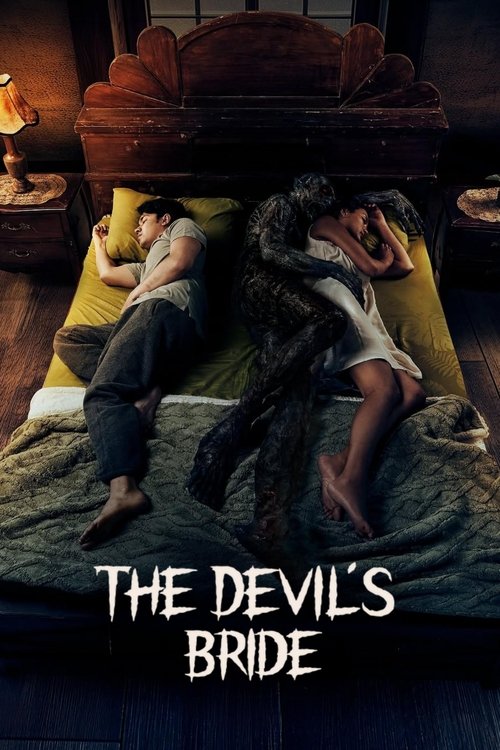
However, this idyllic escape takes a sinister turn when Samar begins to manifest in Echa's waking life. Initially, his appearances are subtle – a fleeting glimpse, a disembodied voice. But as Echa's dependence on him grows, so does his power. Samar's true nature is revealed: he's not the dream lover Echa believed him to be, but a malevolent spirit intent on possessing her and wreaking havoc on her life. He manipulates her fears, exploits her vulnerabilities, and isolates her from reality, turning her dream sanctuary into a living hell.
The narrative unfolds with a slow-burn intensity, gradually ratcheting up the tension as Echa struggles to discern what is real and what is a figment of her increasingly fractured mind. The plot is punctuated by moments of genuine dread and psychological torment as Echa battles for her sanity and her soul against the encroaching darkness. The climax, while visually impressive, feels somewhat rushed, leaving some questions unanswered and potentially diminishing the impact of the preceding build-up.
Characters: Trapped in a Web of Despair
Echa (Priya Verma): Verma delivers a breakout performance as Echa, portraying her as a woman desperate for connection and love, but ultimately trapped by her circumstances. Her vulnerability is palpable, making her descent into madness all the more heartbreaking. Verma masterfully captures Echa's emotional turmoil, conveying her fear, confusion, and growing desperation with nuanced expressions and body language. She carries the weight of the film on her shoulders, and her portrayal is undoubtedly one of its strongest assets.
Rian (Arjun Desai): Desai's portrayal of Rian is intentionally cold and detached. He embodies the emotionally unavailable husband, contributing to Echa's isolation and vulnerability. While his performance is technically sound, Rian remains a somewhat underdeveloped character. His motivations for his emotional distance are only hinted at, leaving the audience wanting a deeper understanding of his inner world. He serves more as a catalyst for Echa's despair than a fully realized character in his own right.
Samar (Vikram Khanna): Khanna is chillingly effective as Samar, the seductive and manipulative spirit. He oozes charm and charisma in his dream appearances, lulling Echa into a false sense of security. As his true nature is revealed, Khanna seamlessly transitions into a menacing and terrifying presence. He embodies the seductive danger of the unknown, making him a truly memorable and unsettling antagonist. His performance is a masterclass in subtle creepiness, relying more on psychological manipulation than overt displays of aggression.
The supporting characters, while present, are largely forgettable, serving primarily to further isolate Echa and reinforce her sense of helplessness. They lack depth and development, making them feel more like plot devices than fully realized individuals.
Direction: A Masterclass in Atmosphere
Anya Sharma's direction is the driving force behind "The Devil's Bride's" effectiveness. She demonstrates a keen understanding of atmosphere and suspense, creating a palpable sense of dread that permeates every scene. Sharma masterfully utilizes slow pacing, lingering shots, and unsettling sound design to build tension and keep the audience on edge. Her ability to create a claustrophobic and oppressive atmosphere is particularly noteworthy, mirroring Echa's growing sense of entrapment.
Sharma's use of visual metaphors is also commendable. The decaying grandeur of Echa and Rian's home serves as a visual representation of their failing marriage and Echa's inner turmoil. The recurring motif of mirrors and reflections further emphasizes Echa's fractured identity and her struggle to distinguish between reality and illusion.
While Sharma excels at creating atmosphere and building suspense, the film occasionally suffers from pacing issues. The slow-burn approach, while effective in building tension, can sometimes feel overly deliberate, leading to moments where the narrative stagnates. A tighter edit could have streamlined the story and maintained a more consistent level of engagement.
Cinematography: Painting a Picture of Despair
The cinematography, helmed by veteran cinematographer Deepak Nair, is a visual feast that perfectly complements Sharma's direction. Nair's use of muted colors and stark contrasts creates a visually striking and unsettling aesthetic. The film is bathed in shadows, creating a sense of unease and hinting at the darkness lurking beneath the surface. The use of light and shadow is particularly effective in the dream sequences, blurring the lines between reality and illusion and creating a surreal and disorienting atmosphere.
Nair's camera work is equally impressive. He employs a variety of techniques, including slow zooms, dutch angles, and close-ups, to heighten the tension and emphasize Echa's emotional state. The camera often lingers on Echa's face, capturing her fear, confusion, and growing desperation with unflinching intimacy. The use of handheld camera work during the more intense sequences further amplifies the sense of chaos and disorientation.
The visual effects, while not groundbreaking, are seamlessly integrated into the film, enhancing the supernatural elements without feeling jarring or artificial. The depiction of Samar's spectral form is particularly effective, creating a truly unsettling and otherworldly presence.
Performances: A Triumph of Vulnerability
As mentioned earlier, Priya Verma's performance as Echa is the heart and soul of "The Devil's Bride." She delivers a nuanced and emotionally resonant portrayal of a woman on the brink of madness. Her ability to convey Echa's vulnerability, fear, and desperation is truly remarkable. Verma's performance is a testament to her talent and potential, marking her as a rising star in the horror genre.
Vikram Khanna is equally impressive as Samar, the seductive and malevolent spirit. He embodies the character's charm and menace with equal aplomb, creating a truly unsettling and memorable villain. Khanna's performance is a masterclass in subtle creepiness, relying more on psychological manipulation than overt displays of aggression.
Arjun Desai's portrayal of Rian is solid, but ultimately lacks the depth and complexity of the other two main characters. While he effectively conveys Rian's emotional detachment, his motivations remain somewhat unclear, leaving the audience wanting a deeper understanding of his character.
The supporting cast, while competent, is largely forgettable. Their performances are adequate, but they lack the depth and nuance of the main actors, making them feel more like plot devices than fully realized individuals.
Themes and Messages: The Price of Escapism and the Dangers of Isolation
"The Devil's Bride" explores several compelling themes, including the dangers of escapism, the corrosive effects of isolation, and the fragility of the human psyche. The film suggests that seeking solace in fantasy can have dire consequences, particularly when it leads to a detachment from reality. Echa's reliance on her dreams as an escape from her unhappy marriage ultimately makes her vulnerable to manipulation and possession.
The film also highlights the importance of human connection and the devastating effects of isolation. Echa's emotional distance from her husband and her lack of meaningful relationships contribute to her vulnerability and make her an easy target for Samar's influence. The film suggests that loneliness and isolation can create a breeding ground for despair and make individuals susceptible to manipulation and exploitation.
Furthermore, "The Devil's Bride" delves into the fragility of the human psyche and the power of suggestion. The film explores how fear, guilt, and trauma can warp our perception of reality and make us vulnerable to supernatural forces. Echa's already fragile mental state is further compromised by her unhappy marriage and her growing dependence on her dreams, making her susceptible to Samar's influence.
Comparisons: Echoes of the Past, a Glimpse of the Future
"The Devil's Bride" draws inspiration from a variety of classic horror films, including "Rosemary's Baby" (1968) and "The Babadook" (2014). Like "Rosemary's Baby," the film explores the themes of paranoia, isolation, and the vulnerability of women in oppressive environments. Like "The Babadook," the film utilizes supernatural elements to explore deeper psychological themes, such as grief, trauma, and the struggle to cope with inner demons.
However, "The Devil's Bride" also distinguishes itself from these predecessors with its unique cultural context and its focus on the specific challenges faced by women in traditional societies. The film's exploration of arranged marriage, societal expectations, and the pressures placed on women to conform to traditional roles adds a layer of complexity and nuance that sets it apart from other horror films.
Anya Sharma's previous work, the critically acclaimed independent thriller "Shadows of the Past" (2022), also explored themes of trauma, isolation, and the blurring of reality and illusion. "The Devil's Bride" represents a significant step forward in Sharma's career, showcasing her growth as a director and her ability to create a truly immersive and unsettling cinematic experience.
Positive Aspects: A Triumph of Atmosphere and Performance
The film's strengths lie in its atmospheric direction, its stunning cinematography, and its captivating performances. Anya Sharma's direction is masterful, creating a palpable sense of dread that permeates every scene. Deepak Nair's cinematography is visually striking, creating a haunting and unsettling aesthetic. Priya Verma and Vikram Khanna deliver exceptional performances, bringing their characters to life with nuance and depth.
The film's exploration of themes such as the dangers of escapism and the corrosive effects of isolation is also commendable. The narrative is thought-provoking and emotionally resonant, leaving a lasting impression on the viewer.
Constructive Criticism: A Few Missed Opportunities
While "The Devil's Bride" is a largely successful horror film, it does have a few weaknesses. The pacing can be uneven at times, with the slow-burn approach occasionally feeling overly deliberate. The climax, while visually impressive, feels somewhat rushed, leaving some questions unanswered. The supporting characters are underdeveloped, lacking the depth and complexity of the main characters.
Furthermore, the film could have benefited from a more nuanced exploration of Rian's character. His motivations for his emotional distance remain somewhat unclear, making him feel more like a plot device than a fully realized individual.
Conclusion: A Haunting and Thought-Provoking Horror Experience
"The Devil's Bride" is a haunting and thought-provoking horror film that explores the dangers of escapism, the corrosive effects of isolation, and the fragility of the human psyche. While it has a few minor flaws, its strengths far outweigh its weaknesses. Anya Sharma's direction is masterful, creating a palpable sense of dread that permeates every scene. Priya Verma and Vikram Khanna deliver exceptional performances, bringing their characters to life with nuance and depth. The film is a must-see for fans of atmospheric horror and psychological thrillers.
Rating: 8.5/10