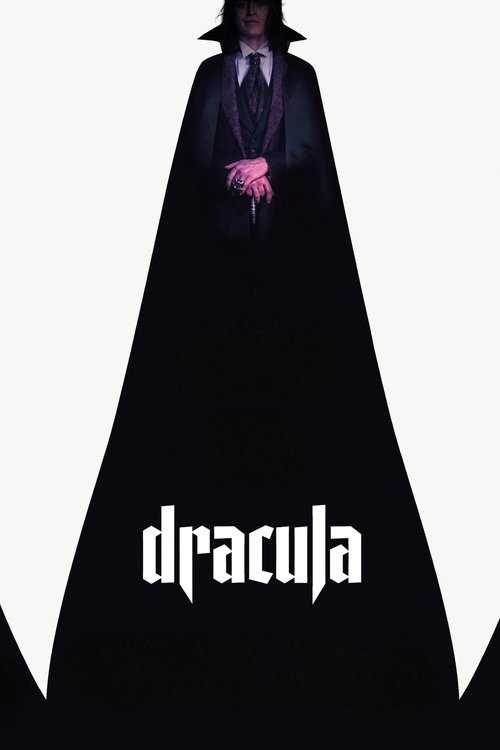
Dracula - Review
Dracula (2025): A Gothic Masterpiece or a Fanged Fumble?
The year is 2025, and the cinematic landscape is once again bathed in the crimson glow of Bram Stoker's immortal creation. This time, director Anya Petrova, known for her visually stunning and emotionally resonant historical dramas, takes the reins of Dracula, promising a fresh yet faithful adaptation. But does this iteration of the iconic vampire sink its teeth into our collective consciousness, or does it crumble under the weight of its own ambition? Let's delve into the depths of Transylvania and Victorian London to find out.
Plot: A Tale of Love, Loss, and Eternal Damnation
Petrova's Dracula distinguishes itself by spending a significant portion of its runtime exploring the origins of the titular villain. We are transported to 15th century Romania, where Prince Vladimir, a fierce warrior and devoted husband, is tragically widowed. Consumed by grief and rage, he renounces God, an act that irrevocably alters his fate, transforming him into the monstrous Dracula. This prologue, lasting nearly an hour, is crucial in establishing Vladimir's humanity and providing a sympathetic, albeit flawed, foundation for the character's later actions. It's a welcome departure from some adaptations that rush into the Victorian setting without fully exploring Dracula's pre-vampiric life.
The film then leaps forward to 19th century London, where Jonathan Harker, a young solicitor, travels to Transylvania to finalize a real estate transaction with Count Dracula. Harker's journey is portrayed with a palpable sense of dread, amplified by the increasingly unsettling occurrences within Dracula's ancient castle. The cinematography here is particularly effective, using shadows and claustrophobic spaces to create a truly terrifying atmosphere. However, the film deviates slightly from the novel by making Mina Harker a more proactive character from the outset. She's not merely a damsel in distress; she's an intelligent and inquisitive woman who senses something amiss with her fiancé's trip and takes it upon herself to investigate.
Upon arriving in London, Dracula encounters Mina's doppelgänger, Elisabetha, his deceased wife from centuries past. This discovery reignites his lost love and fuels his obsession, driving the narrative forward. The film explores the complex dynamics between Dracula, Mina, and Jonathan, creating a love triangle fraught with danger and supernatural intrigue. The pursuit of Elisabetha's reincarnation becomes Dracula's primary motivation, overshadowing his initial desire for power and conquest. This shift in focus adds a layer of tragic romance to the story, making Dracula a more nuanced and pitiable figure.
While the film largely adheres to the core elements of Stoker's novel, it does take certain liberties, some more successful than others. The inclusion of a more extensive backstory for Van Helsing, detailing his previous encounters with vampires, adds depth to his character and explains his unwavering dedication to hunting Dracula. However, the subplot involving a secret society of vampire hunters, while potentially interesting, feels somewhat underdeveloped and detracts from the central narrative. Furthermore, the climax, while visually spectacular, suffers from pacing issues, feeling rushed compared to the more deliberate build-up in the preceding acts.
Characters: A Cast of Shadows and Light
The success of any Dracula adaptation hinges on the strength of its characters, and Petrova's film delivers a mixed bag in this regard.
Dracula (played by Aleksander Volkov): Volkov's portrayal of Dracula is a revelation. He masterfully captures the character's duality, showcasing both his aristocratic charm and his monstrous ferocity. He excels at conveying Dracula's underlying sadness and longing for his lost love, making him a surprisingly sympathetic villain. Volkov's physical presence is imposing, and his subtle gestures and facial expressions speak volumes. He avoids the campy theatrics often associated with the character, opting for a more restrained and nuanced performance that is both captivating and terrifying.
Mina Harker/Elisabetha (played by Eleanor Rhys): Rhys delivers a compelling performance as both Mina and Elisabetha. She effectively portrays Mina's intelligence, courage, and unwavering loyalty, making her a formidable opponent for Dracula. As Elisabetha, she embodies a sense of ethereal beauty and vulnerability, capturing Dracula's undying love for her. Rhys's ability to differentiate between the two characters is remarkable, imbuing each with distinct personalities and mannerisms.
Jonathan Harker (played by Henry Davies): Davies's portrayal of Jonathan Harker is perhaps the weakest link in the cast. While he effectively conveys Jonathan's initial naiveté and vulnerability, he struggles to portray the character's later resilience and determination. His performance feels somewhat one-dimensional, lacking the emotional depth and complexity of the other characters.
Van Helsing (played by Sir Anthony Hopkins): Hopkins brings his signature gravitas to the role of Van Helsing. He portrays the character as a seasoned vampire hunter, driven by a deep understanding of the supernatural and a unwavering commitment to protecting humanity. Hopkins's performance is both commanding and compassionate, making him a compelling and believable mentor to Mina and Jonathan.
Lucy Westenra (played by Chloe Bennett): Bennett's Lucy Westenra is a vibrant and spirited young woman, a stark contrast to the more reserved Mina. Her descent into vampirism is particularly disturbing, and Bennett effectively captures the character's transformation from innocence to corruption. However, her screen time is somewhat limited, preventing her character from fully developing.
Direction and Cinematography: A Feast for the Eyes
Anya Petrova's direction is undoubtedly the film's strongest asset. She masterfully creates a gothic atmosphere, drawing inspiration from classic horror films while adding her own unique visual flair. Petrova's attention to detail is evident in every frame, from the meticulously crafted costumes to the hauntingly beautiful set designs. She effectively uses shadows, lighting, and camera angles to create a sense of dread and suspense, keeping the audience on the edge of their seats.
The cinematography, helmed by the acclaimed Darius Khondji, is breathtaking. The film is visually stunning, with rich colors, dramatic lighting, and sweeping camera movements. Khondji's use of chiaroscuro, the contrast between light and darkness, is particularly effective in creating a sense of unease and foreboding. The scenes in Dracula's castle are especially memorable, with their labyrinthine corridors, towering ceilings, and eerie shadows. The film's visual style is reminiscent of classic gothic horror films, such as Francis Ford Coppola's Bram Stoker's Dracula, while also incorporating modern cinematic techniques.
The special effects, while generally well-executed, occasionally fall short of expectations. Dracula's transformations, while visually impressive, sometimes appear overly CGI-heavy, detracting from the film's overall realism. However, the practical effects, such as the vampire bites and the gruesome aftermath of their attacks, are particularly effective, adding a visceral and disturbing element to the film.
Themes and Messages: Beyond the Bloodshed
Dracula is not merely a horror film; it is a complex exploration of themes such as love, loss, redemption, and the battle between good and evil. The film delves into the destructive power of grief and the consequences of renouncing one's faith. Dracula's transformation into a vampire is portrayed as a direct result of his despair and anger, highlighting the dangers of succumbing to negative emotions.
The film also explores the theme of duality, contrasting Dracula's monstrous nature with his underlying humanity. He is both a terrifying predator and a tragic figure, driven by a desperate longing for his lost love. This duality makes him a more compelling and relatable villain, blurring the lines between good and evil.
Furthermore, Dracula examines the role of women in Victorian society, challenging traditional gender roles and empowering female characters. Mina Harker is portrayed as an intelligent, courageous, and independent woman who defies societal expectations and actively fights against Dracula. Her strength and resilience serve as an inspiration, highlighting the importance of female empowerment.
Comparisons: Echoes of the Past, Visions of the Future
Inevitably, Petrova's Dracula will be compared to previous adaptations of Stoker's novel, most notably Francis Ford Coppola's Bram Stoker's Dracula (1992) and Werner Herzog's Nosferatu the Vampyre (1979). While Petrova's film shares certain similarities with these predecessors, it also distinguishes itself in several key areas.
Like Coppola's film, Petrova's Dracula emphasizes the romantic aspects of the story, focusing on Dracula's love for Elisabetha and his obsession with Mina. However, Petrova's film delves deeper into Dracula's backstory, providing a more comprehensive understanding of his motivations. In contrast to Coppola's flamboyant and operatic style, Petrova opts for a more restrained and atmospheric approach, creating a sense of dread and suspense through subtle visual cues and psychological tension.
Compared to Herzog's Nosferatu the Vampyre, Petrova's film is less overtly expressionistic and more grounded in reality. While Herzog's film is characterized by its stark visuals and philosophical undertones, Petrova's Dracula is more concerned with exploring the emotional complexities of its characters and the social dynamics of Victorian society. However, both films share a common interest in exploring the themes of mortality, decay, and the corrupting influence of evil.
Petrova's previous work, particularly her historical drama The Tsar's Bride, demonstrates her skill in creating visually stunning and emotionally resonant narratives. Dracula builds upon this foundation, showcasing Petrova's growth as a director and her ability to tackle complex and challenging material. Aleksander Volkov’s performance is reminiscent of some of his earlier work in Russian theatre, particularly his portrayal of tragic figures, bringing a similar depth and intensity to his role as Dracula.
Positive Aspects: A Triumph of Atmosphere and Performance
Dracula (2025) boasts several notable strengths:
- Aleksander Volkov's performance as Dracula: A truly captivating and nuanced portrayal of the iconic vampire.
- Anya Petrova's direction and Darius Khondji's cinematography: Creating a visually stunning and atmospheric gothic world.
- Exploration of Dracula's backstory: Providing a deeper understanding of his motivations and adding a layer of tragic romance to the story.
- Strong female characters: Mina Harker is portrayed as an intelligent, courageous, and independent woman.
- Thematic depth: Exploring themes such as love, loss, redemption, and the battle between good and evil.
Constructive Criticism: Room for Improvement
Despite its strengths, Dracula (2025) is not without its flaws:
- Pacing issues: The climax feels rushed compared to the more deliberate build-up in the preceding acts.
- Underdeveloped subplot: The secret society of vampire hunters feels somewhat extraneous and detracts from the central narrative.
- Inconsistent special effects: Some CGI effects appear overly artificial, detracting from the film's realism.
- Henry Davies's performance as Jonathan Harker: Lacking the emotional depth and complexity of the other characters.
- Deviation from the source material: While some liberties are successful, others feel unnecessary and weaken the overall narrative.
Conclusion: A Worthy Addition to the Dracula Canon
Anya Petrova's Dracula (2025) is a visually stunning and emotionally resonant adaptation of Bram Stoker's classic novel. While the film suffers from some pacing issues and an underdeveloped subplot, it is ultimately redeemed by its strong performances, atmospheric direction, and thematic depth. Aleksander Volkov's portrayal of Dracula is a revelation, and the film's exploration of the character's backstory adds a new layer of complexity to the iconic villain. Despite its flaws, Dracula (2025) is a worthy addition to the Dracula canon and a must-see for fans of gothic horror.
Rating: 8.5/10