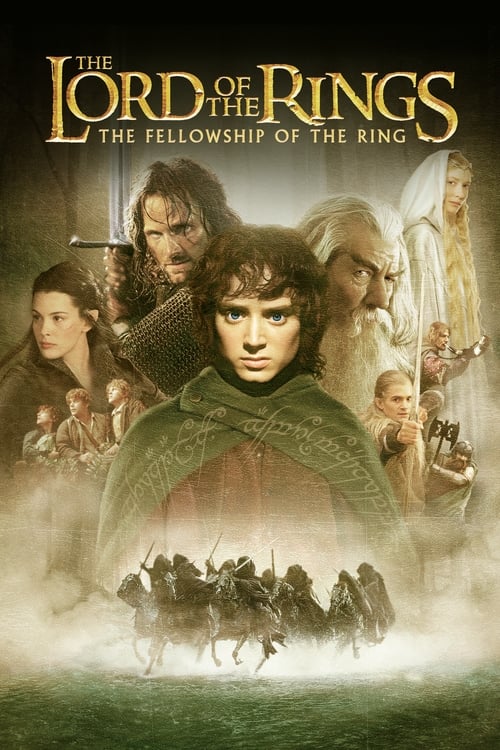
The Lord of the Rings: The Fellowship of the Ring - Review
A Journey Begins: A Review of "The Lord of the Rings: The Fellowship of the Ring"
In the winter of 2001, a cinematic event unfolded that would forever change the landscape of fantasy filmmaking. Peter Jackson's "The Lord of the Rings: The Fellowship of the Ring" wasn't just a movie; it was an immersive experience, a breathtaking journey into J.R.R. Tolkien's meticulously crafted world of Middle-earth. More than two decades later, the film's impact remains undeniable, its magic undimmed. But does it still hold up to the immense hype and critical acclaim it garnered upon release? Let's delve into the heart of Middle-earth and explore the strengths and weaknesses of this epic masterpiece.
The Plot: A Quest of Hope and Peril
The film's narrative is a faithful adaptation of the first volume of Tolkien's "The Lord of the Rings." We are introduced to the idyllic Shire, home to the hobbits, a race of simple, peace-loving folk. The story centers around Frodo Baggins, an unassuming hobbit who inherits the One Ring from his uncle Bilbo. This ring, however, is no ordinary trinket; it's an artifact of immense power forged by the Dark Lord Sauron, and its return would spell doom for Middle-earth.
Guided by the wise wizard Gandalf the Grey, Frodo embarks on a perilous quest to destroy the Ring in the fires of Mount Doom, the only place where its power can be undone. He is joined by a fellowship of diverse characters: Samwise Gamgee, his loyal and steadfast friend; Merry Brandybuck and Pippin Took, two mischievous hobbits; Aragorn, the rightful heir to the throne of Gondor; Legolas, the elven prince; Gimli, the dwarven warrior; and Boromir, a noble man of Gondor, representing the temptation of power. Together, they face countless dangers, from Orcs and Trolls to the seductive allure of the Ring itself.
The plot unfolds at a deliberate pace, allowing the audience to become fully invested in the characters and the world. The film masterfully balances moments of quiet contemplation with thrilling action sequences, ensuring that the narrative never feels rushed or monotonous. The journey from the Shire to Rivendell, and then to the Mines of Moria, is a carefully constructed series of escalating challenges, each testing the fellowship's resolve and strengthening their bond.
Characters: A Tapestry of Courage and Flaw
One of the film's greatest strengths lies in its richly drawn and relatable characters. Each member of the fellowship brings a unique perspective and skillset to the quest, and their individual struggles and triumphs resonate deeply with the audience.
- Frodo Baggins (Elijah Wood): Wood delivers a nuanced performance as Frodo, capturing his innocence, vulnerability, and growing burden of responsibility. He is not a warrior or a leader, but an ordinary hobbit thrust into extraordinary circumstances, making his journey all the more compelling.
- Samwise Gamgee (Sean Astin): Astin's portrayal of Sam is nothing short of iconic. He embodies unwavering loyalty, courage, and simple goodness. Sam is the heart of the fellowship, providing Frodo with the emotional support and practical assistance he needs to carry on.
- Aragorn (Viggo Mortensen): Mortensen embodies the conflicted hero perfectly. He is a reluctant leader, haunted by his lineage and the weight of his destiny. His internal struggle between duty and desire is palpable, making him a deeply human and relatable figure.
- Gandalf (Ian McKellen): McKellen's Gandalf is a masterful blend of wisdom, power, and compassion. He is a mentor, a guide, and a powerful force for good, but he is also aware of his own limitations and the dangers of wielding too much power.
- Legolas (Orlando Bloom): Bloom brings a graceful elegance and deadly precision to the role of Legolas. He is the embodiment of elven skill and wisdom, providing valuable insights and combat prowess to the fellowship.
- Gimli (John Rhys-Davies): Rhys-Davies delivers a memorable performance as Gimli, injecting humor and fierce loyalty into the group dynamic. His rivalry with Legolas, which eventually blossoms into friendship, is a highlight of the film.
- Boromir (Sean Bean): Bean portrays Boromir with a compelling mix of strength and vulnerability. He represents the temptation of the Ring's power, and his internal struggle ultimately leads to his tragic downfall.
Beyond the fellowship, the film introduces other memorable characters, such as Bilbo Baggins (Ian Holm), Galadriel (Cate Blanchett), and Elrond (Hugo Weaving), each adding depth and complexity to the world of Middle-earth.
Direction: A Vision Realized
Peter Jackson's direction is the cornerstone of the film's success. He masterfully translates Tolkien's vision onto the screen, creating a world that feels both epic and intimate. His attention to detail is remarkable, from the meticulously crafted costumes and sets to the stunning visual effects that bring Middle-earth to life.
Jackson's ability to balance grand-scale action sequences with intimate character moments is particularly impressive. The Battle of the Last Alliance, the escape from the Mines of Moria, and the Breaking of the Fellowship are all visually stunning and emotionally charged. Yet, the film also finds time for quiet moments of reflection, allowing the audience to connect with the characters on a deeper level.
While Jackson remains largely faithful to Tolkien's source material, he also makes certain creative choices that enhance the cinematic experience. He streamlines the plot, clarifies character motivations, and adds dramatic tension, all while remaining true to the spirit of the books.
Cinematography: Painting with Light and Shadow
The cinematography, helmed by Andrew Lesnie, is simply breathtaking. The film is a visual feast, showcasing the stunning landscapes of New Zealand, which serve as the perfect backdrop for Middle-earth. Lesnie's use of light and shadow is masterful, creating a sense of atmosphere and depth that enhances the film's emotional impact.
The sweeping aerial shots of the Shire, the majestic vistas of Rivendell, and the claustrophobic darkness of the Mines of Moria are all visually stunning. Lesnie's camera work is dynamic and engaging, drawing the audience into the heart of the action and immersing them in the world of Middle-earth.
The use of color is also noteworthy. The vibrant greens of the Shire contrast sharply with the dark, foreboding tones of Mordor, visually reinforcing the film's themes of good versus evil. The golden light that bathes Rivendell evokes a sense of ethereal beauty and timelessness.
Performances: Bringing Middle-earth to Life
The performances in "The Fellowship of the Ring" are uniformly excellent. The cast embodies their respective characters with conviction and authenticity, bringing Tolkien's words to life in a way that is both faithful and compelling.
Elijah Wood's portrayal of Frodo is a revelation. He captures the character's innocence, vulnerability, and growing burden of responsibility with remarkable skill. Sean Astin's Samwise Gamgee is the heart and soul of the film, providing Frodo with unwavering support and loyalty. Viggo Mortensen's Aragorn is a brooding and conflicted hero, struggling with his destiny and the weight of his lineage. Ian McKellen's Gandalf is a wise and powerful mentor, guiding the fellowship on their perilous quest.
The supporting cast is equally impressive. Orlando Bloom's Legolas is graceful and deadly, John Rhys-Davies' Gimli is humorous and fiercely loyal, and Sean Bean's Boromir is a tragic figure, representing the temptation of the Ring's power. Cate Blanchett's Galadriel is ethereal and wise, and Hugo Weaving's Elrond is a powerful and enigmatic leader.
Themes and Messages: Timeless Tales of Good and Evil
"The Fellowship of the Ring" explores several timeless themes and messages that resonate deeply with audiences. The film is a story about the power of hope in the face of adversity, the importance of friendship and loyalty, and the struggle between good and evil.
One of the central themes of the film is the corrupting influence of power. The Ring represents the ultimate temptation, and its allure threatens to overwhelm even the noblest of hearts. The film suggests that power should be wielded with caution and responsibility, and that the pursuit of power for its own sake can lead to destruction.
Another important theme is the importance of ordinary people in extraordinary circumstances. Frodo and Sam are not warriors or leaders, but they are chosen to carry the Ring because of their inherent goodness and resilience. The film suggests that even the smallest and most unassuming individuals can make a difference in the world.
The film also explores the themes of sacrifice, redemption, and the enduring power of hope. The members of the fellowship are willing to sacrifice their own lives for the greater good, and their acts of courage and selflessness inspire hope in a world threatened by darkness.
Comparison to Other Films and Works
Before "The Fellowship of the Ring," fantasy films were often relegated to the realm of B-movies or children's entertainment. Peter Jackson's film elevated the genre to new heights, demonstrating that fantasy could be both visually stunning and emotionally resonant.
Compared to previous adaptations of Tolkien's work, such as the animated film from 1978, "The Fellowship of the Ring" is far more ambitious and faithful to the source material. Jackson's film captures the epic scope and intricate detail of Tolkien's world in a way that previous adaptations could not.
The film also shares similarities with other epic adventure films, such as "Star Wars" and "Indiana Jones." However, "The Fellowship of the Ring" distinguishes itself with its complex characters, its intricate world-building, and its exploration of profound themes.
In terms of Peter Jackson's filmography, "The Fellowship of the Ring" represents a significant departure from his earlier, more comedic and horror-oriented works. The film demonstrates his ability to handle large-scale productions and to tell complex and emotionally resonant stories.
Positive Aspects
- Faithful adaptation of Tolkien's source material
- Stunning visuals and breathtaking cinematography
- Excellent performances from the entire cast
- Masterful direction by Peter Jackson
- Exploration of timeless themes and messages
- Immersive and engaging world-building
- Memorable score by Howard Shore
Constructive Criticism
- The pacing can feel slow at times, particularly in the first act.
- Some of the CGI effects, while impressive for their time, look dated by today's standards.
- The film's ending, while emotionally satisfying, leaves the audience wanting more (which, of course, was intentional, given that it is the first film in a trilogy).
- While largely faithful to the book, some minor plot points and character details are altered or omitted.
Conclusion
"The Lord of the Rings: The Fellowship of the Ring" remains a cinematic triumph, a landmark achievement in fantasy filmmaking. Peter Jackson's vision, combined with the exceptional performances of the cast and the stunning visuals, creates an immersive and unforgettable experience. While the film is not without its minor flaws, its strengths far outweigh its weaknesses. It is a testament to the power of storytelling and the enduring appeal of Tolkien's masterpiece.
Rating: 9.5/10