Yi Yi - Review
Yi Yi: A Profound Glimpse into the Everyday Extraordinary
Edward Yang's Yi Yi (A One and a Two), released in 2000, isn't just a film; it's an experience. It's a patient, observant, and deeply moving exploration of life, death, family, and the search for meaning in a rapidly changing world. This nearly three-hour epic, a masterclass in understated storytelling, invites you into the lives of the Jian family in Taipei, where seemingly ordinary events become profound reflections on the human condition. Prepare to be captivated, challenged, and ultimately, deeply moved by this cinematic masterpiece.
Plot: A Tapestry of Interconnected Lives
Yi Yi unfolds with a deliberate pace, allowing the complexities of the Jian family's lives to gradually reveal themselves. The narrative is less a linear plot and more a series of interconnected vignettes, each offering a glimpse into the internal struggles and external pressures faced by different family members.
The film opens with a wedding, a joyous occasion that quickly unravels into a series of crises. NJ, the father, a struggling businessman, finds himself entangled in financial woes and moral dilemmas. His brother-in-law owes him money, his business partners are making questionable decisions, and he's even tempted by a chance encounter with a former lover.
His wife, Min-Min, grapples with a profound existential crisis. Burdened by the responsibility of caring for her comatose mother and feeling increasingly disconnected from her own life, she seeks solace in a Buddhist retreat, hoping to find meaning and purpose.
Their teenage daughter, Ting-Ting, experiences the bittersweet pangs of first love and the pain of loss. She navigates the complexities of adolescent relationships while dealing with the guilt surrounding her grandmother's accident.
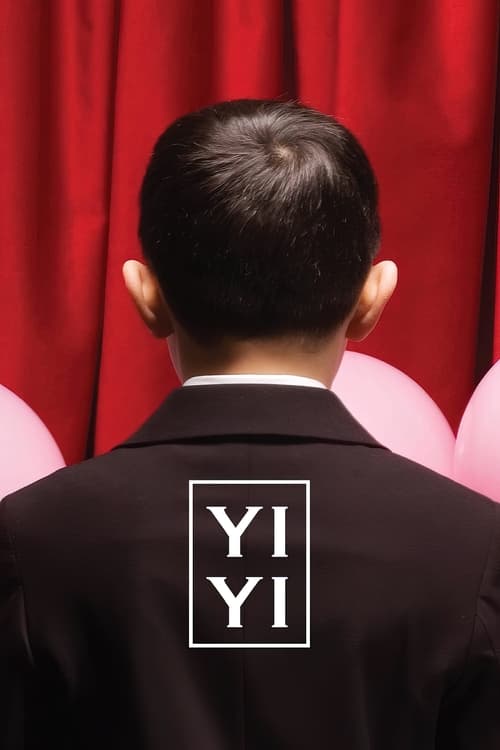
And finally, there's Yang-Yang, the young son, who, with his innocent perspective and inquisitive nature, becomes a philosophical observer of the world around him. His fascination with photography leads him to capture the "back" of people's heads, believing it reveals what they cannot see themselves.
The beauty of Yi Yi lies in its ability to weave these seemingly disparate storylines into a cohesive and deeply resonant whole. Each character's journey, though unique, reflects universal themes of love, loss, regret, and the search for meaning.
Characters: Portraits of Humanity
The characters in Yi Yi are not archetypes; they are fully realized individuals with their own flaws, desires, and vulnerabilities. They are relatable and believable, making their struggles all the more poignant.
NJ (Nianzhen): The Burdened Father
NJ, played with quiet intensity by Nien-Jen Wu, is the moral compass of the family. He is a man of integrity, struggling to navigate the complexities of the business world while trying to maintain his ethical principles. He is weary of the constant pressure and yearns for something more meaningful than financial success. His rekindled connection with his former lover, Sherry, offers a fleeting glimpse of what could have been, highlighting the regrets and compromises he has made in his life.
Min-Min: The Existential Seeker
Elaine Jin delivers a powerful performance as Min-Min, a woman grappling with a profound sense of emptiness. The responsibility of caring for her comatose mother, coupled with the monotony of her daily routine, leads her to question the meaning of her existence. Her search for answers in a Buddhist retreat is both poignant and relatable, reflecting the universal human desire for purpose and connection.
Ting-Ting: The Heartbroken Teenager
Kelly Lee portrays Ting-Ting with a delicate vulnerability, capturing the awkwardness and intensity of adolescence. Her first love is tinged with tragedy, and she struggles to cope with the guilt she feels surrounding her grandmother's accident. Ting-Ting's journey is a reminder of the profound impact that even seemingly small events can have on a young person's life.
Yang-Yang: The Innocent Observer
Jonathan Chang is captivating as Yang-Yang, the young son who sees the world with fresh eyes. His curiosity and innocent perspective offer a unique and often humorous commentary on the adult world. His photography project, capturing the "back" of people's heads, is a metaphor for seeing beyond the surface and understanding the unseen aspects of human experience.
Direction: A Masterclass in Subtlety
Edward Yang's direction is characterized by its patience, precision, and profound understanding of human nature. He avoids melodrama and sensationalism, instead opting for a subtle and nuanced approach that allows the characters' emotions to unfold organically. His masterful use of long takes, static shots, and natural lighting creates a sense of realism and intimacy, drawing the viewer into the world of the Jian family.
Yang's directorial choices are deliberate and meaningful. He often frames scenes from a distance, emphasizing the characters' isolation and the vastness of the urban landscape. He uses silence effectively, allowing unspoken emotions to resonate with the viewer. His attention to detail, from the subtle gestures of the actors to the carefully chosen soundtrack, creates a rich and immersive cinematic experience.
One of the most striking aspects of Yang's direction is his ability to capture the beauty and complexity of everyday life. He finds poetry in the mundane, revealing the profound significance of seemingly ordinary moments. Yi Yi is a testament to his skill as a storyteller and his profound understanding of the human condition.
Cinematography: Painting with Light and Shadow
The cinematography in Yi Yi, masterfully handled by Yilung Chang, is a crucial element in creating the film's distinctive atmosphere. The film's visual style is understated and naturalistic, reflecting the realistic portrayal of the Jian family's lives. The use of natural lighting and muted colors creates a sense of intimacy and authenticity, drawing the viewer into the world of the characters.
Chang's camerawork is deliberate and purposeful. He often uses long takes and static shots, allowing the scenes to unfold at their own pace. This technique creates a sense of realism and allows the viewer to observe the characters' emotions without being manipulated by flashy editing or dramatic camera movements. He also makes effective use of framing, often placing characters within the urban landscape to emphasize their isolation and the pressures of modern life.
The cinematography also plays a crucial role in conveying the film's themes. The use of shadows and reflections, for example, often symbolizes the hidden aspects of the characters' lives and the unseen forces that shape their destinies. The film's visual style is both beautiful and meaningful, enhancing the emotional impact of the story.
Performances: A Symphony of Subtlety
The performances in Yi Yi are uniformly excellent, contributing significantly to the film's emotional resonance. The actors embody their characters with authenticity and nuance, creating a believable and relatable family dynamic.
Nien-Jen Wu's portrayal of NJ is a masterclass in understated acting. He conveys the character's weariness, integrity, and quiet desperation with subtle gestures and facial expressions. Elaine Jin delivers a powerful and moving performance as Min-Min, capturing the character's existential angst and her search for meaning with great sensitivity. Kelly Lee is captivating as Ting-Ting, portraying the character's vulnerability and emotional turmoil with authenticity. And Jonathan Chang is a revelation as Yang-Yang, bringing a sense of innocence and wonder to the role.
The supporting cast is equally strong, adding depth and richness to the film's tapestry of characters. Each actor contributes to the overall realism and emotional impact of the story.
Themes and Messages: Exploring the Human Condition
Yi Yi is a film rich in themes and messages, exploring the complexities of the human condition with depth and sensitivity. Some of the key themes include:
The Search for Meaning
The film explores the universal human desire for meaning and purpose in life. Each character, in their own way, is searching for something more than the mundane routine of daily existence. NJ seeks fulfillment beyond financial success, Min-Min grapples with existential angst, Ting-Ting searches for love and connection, and Yang-Yang tries to understand the world around him. Their individual journeys reflect the broader human quest for meaning and purpose.
Family Dynamics
Yi Yi offers a nuanced and realistic portrayal of family dynamics, highlighting the complexities of relationships between parents, children, and siblings. The film explores the challenges of communication, the burdens of responsibility, and the enduring bonds of love that hold families together. The Jian family, with all its flaws and imperfections, is a microcosm of the human family.
Love and Loss
The film explores the bittersweet nature of love and the inevitability of loss. Ting-Ting experiences the joy and pain of first love, while NJ is confronted with the regrets of past relationships. The death of a loved one casts a shadow over the family, reminding them of the fragility of life and the importance of cherishing the moments they have together.
The Passage of Time
Yi Yi is deeply concerned with the passage of time and its impact on human lives. The film shows how time shapes our experiences, alters our perspectives, and ultimately defines who we are. The characters grapple with the past, struggle with the present, and contemplate the future, reflecting the universal human experience of aging and mortality.
The Importance of Perspective
The film emphasizes the importance of perspective in understanding the world around us. Yang-Yang's photography project, capturing the "back" of people's heads, is a metaphor for seeing beyond the surface and understanding the unseen aspects of human experience. The film encourages viewers to look at the world with fresh eyes and to appreciate the beauty and complexity of everyday life.
Comparison: Echoes of Ozu and Beyond
Yi Yi is often compared to the works of Japanese master Yasujiro Ozu, particularly his family dramas like Tokyo Story. Both directors share a similar aesthetic, characterized by long takes, static shots, and a focus on the subtle nuances of everyday life. Both also explore themes of family, aging, and the changing social landscape.
However, Yi Yi also distinguishes itself from Ozu's work in several ways. Yang's film is more explicitly concerned with the pressures of modern life and the challenges of navigating a rapidly changing world. It also incorporates elements of social commentary, addressing issues such as financial inequality and the impact of globalization. While Ozu's films often focus on the older generation, Yi Yi gives equal weight to the perspectives of younger characters.
In terms of Yang's own filmography, Yi Yi can be seen as a culmination of his previous works. It shares thematic similarities with films like A Brighter Summer Day and Taipei Story, exploring the alienation and disillusionment of modern Taiwanese society. However, Yi Yi is arguably his most mature and comprehensive work, offering a profound and deeply moving meditation on life, death, and the search for meaning.
Positive Aspects: A Cinematic Triumph
Yi Yi is a cinematic triumph on many levels. Its strengths include:
- Compelling Storytelling: The film's narrative is engaging and thought-provoking, drawing the viewer into the lives of the Jian family and exploring universal themes with depth and sensitivity.
- Realistic Characters: The characters are fully realized individuals with their own flaws, desires, and vulnerabilities, making them relatable and believable.
- Masterful Direction: Edward Yang's direction is patient, precise, and profoundly insightful, creating a sense of realism and intimacy.
- Stunning Cinematography: The film's visual style is understated and beautiful, enhancing the emotional impact of the story.
- Excellent Performances: The actors deliver nuanced and authentic performances, bringing the characters to life with depth and emotion.
Constructive Criticism: A Matter of Pace
While Yi Yi is a masterpiece, it is not without its minor flaws. Some viewers may find the film's length and deliberate pace challenging. The film requires patience and attention, and some may find it slow or uneventful. However, the film's length is arguably necessary to fully develop the characters and explore the complexities of their lives. The deliberate pace allows the viewer to immerse themselves in the world of the film and to appreciate the subtle nuances of the story.
Another potential criticism is that the film's ending may feel somewhat ambiguous or unresolved. While the film offers a sense of closure for some characters, others are left grappling with uncertainty. However, this ambiguity is arguably intentional, reflecting the open-ended nature of life itself. The film does not offer easy answers or simplistic solutions, but instead invites viewers to contemplate the complexities of the human condition.
Conclusion: A Timeless Masterpiece
Yi Yi is a timeless masterpiece that will stay with you long after the credits roll. It is a profound and deeply moving exploration of life, death, family, and the search for meaning in a rapidly changing world. Edward Yang's masterful direction, coupled with the excellent performances and stunning cinematography, creates a cinematic experience that is both beautiful and thought-provoking. While the film's length and deliberate pace may not appeal to all viewers, those who are willing to invest the time and attention will be rewarded with a truly unforgettable experience.
Yi Yi is a film that deserves to be seen and appreciated by generations to come. It is a testament to the power of cinema to illuminate the human condition and to connect us to something larger than ourselves.