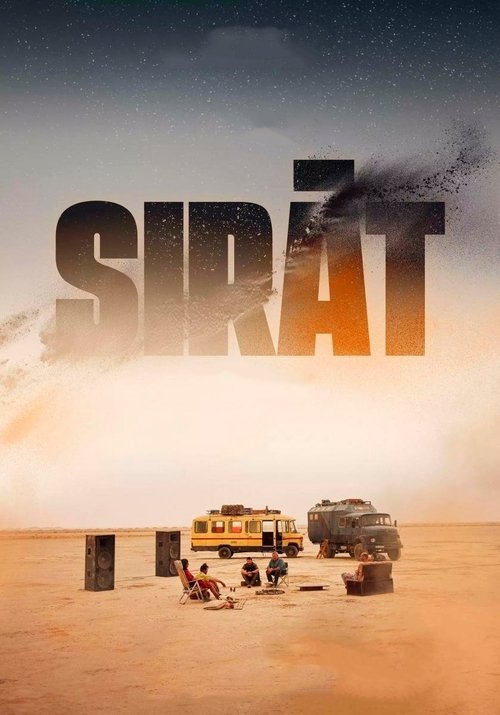
Sirāt - Review
Sirāt: A Desert Odyssey of Loss, Music, and Confrontation
The pulsating bass thrumming through the theater speakers isn't just a sound effect; it's the heartbeat of Sirāt, a searing drama that plunges viewers into the hypnotic and disorienting world of Moroccan rave culture. Released on June 6th, 2025, this film isn't your typical missing person thriller. It's a visceral journey into the heart of grief, tradition, and the transformative power of music, all set against the breathtaking and unforgiving backdrop of the Moroccan desert. Sirāt, meaning "path" in Arabic, is a fitting title for a film that explores the tortuous road a father and son must traverse in their desperate search for a lost daughter and sister. But this path leads them not just across geographical landscapes, but also through the treacherous terrain of their own souls.
Plot: A Descent into the Rave
The narrative core of Sirāt is deceptively simple: a stoic father, Omar (played with quiet intensity by Karim Saidi), and his restless son, Ali (a breakout performance by newcomer Youssef El Alami), venture into the chaotic heart of a mountain rave in southern Morocco. Their mission is singular: to find Mar, Omar's daughter and Ali's sister, who disappeared months ago after attending one of these seemingly endless, hedonistic parties. The film wastes no time in immersing the audience in the sensory overload of the rave scene. The camera sweeps across a sea of faces, illuminated by strobe lights and fueled by relentless electronic music. The atmosphere is thick with a potent mix of liberation and desperation.
Omar and Ali's attempts to locate Mar are met with blank stares and vague recollections. They clutch at straws, handing out her photo to anyone who might have seen her. The initial hope that fueled their journey slowly begins to erode, replaced by a gnawing sense of despair. Just when they're about to give up, they encounter a group of ravers heading to a final, clandestine party deep in the desert. Driven by a desperate need to find answers, Omar and Ali decide to follow them, venturing further and further into the burning wilderness.
This journey into the desert becomes a crucible, testing the limits of their physical and emotional endurance. The vast, desolate landscape reflects the emptiness they feel inside. The relentless sun mirrors the burning questions that haunt them. The closer they get to the final party, the more they are forced to confront not only the mystery of Mar's disappearance but also the fractured relationship between father and son. The plot is less about solving a mystery and more about the emotional and spiritual journey of these two men as they grapple with loss and the unknown.
Characters: Grief and Transformation
The strength of Sirāt lies in its nuanced portrayal of its characters. Omar, the father, is a man of few words, burdened by a deep sense of responsibility and regret. He embodies traditional values and struggles to understand the world that Mar has embraced. Karim Saidi delivers a powerful performance, conveying Omar's pain and determination through subtle gestures and expressions. His eyes, often filled with a quiet sorrow, speak volumes about the weight he carries.
Ali, the son, is a more complex and volatile character. He's torn between loyalty to his father and a sense of rebellion against the constraints of tradition. He understands Mar's desire for freedom and feels a connection to the music and energy of the rave scene. Youssef El Alami brings a raw intensity to the role, capturing Ali's internal conflict with remarkable authenticity. His performance is a revelation, showcasing a young actor with immense potential.
Mar, although absent for most of the film, is a powerful presence. She is more than just a missing person; she represents a generation caught between tradition and modernity, seeking freedom and self-expression. Through flashbacks and fragmented memories, we glimpse her vibrant personality and her yearning for something more. She becomes a symbol of the changing landscape of Moroccan society and the challenges faced by young people searching for their place in the world.
The supporting characters, the ravers who populate the film's landscape, are not simply background noise. They are individuals, each with their own stories and motivations. They represent a diverse community united by their love of music and their desire to escape the pressures of everyday life. Some are helpful, offering Omar and Ali clues and support. Others are more elusive, wary of outsiders and protective of their own world. These interactions provide a glimpse into the complexities of the rave scene and the sense of belonging it offers to those who feel marginalized.
Direction: A Visceral and Immersive Experience
Director Fatima El Mansouri masterfully crafts a visceral and immersive experience that draws the viewer into the heart of the story. She avoids the clichés of the missing person genre, opting instead for a more nuanced and character-driven approach. The film's pacing is deliberate, allowing the audience to fully absorb the atmosphere and the emotional weight of the narrative.
El Mansouri's direction is particularly effective in capturing the sensory overload of the rave scene. The combination of pulsating music, flashing lights, and frenetic energy creates a disorienting and almost hallucinatory effect. This is not just a visual spectacle; it's a reflection of the characters' internal states, their confusion, and their desperation.
She also demonstrates a keen eye for detail, capturing the beauty and harshness of the Moroccan landscape with stunning clarity. The vastness of the desert becomes a metaphor for the characters' isolation and the immensity of their loss. The director uses the environment to amplify the emotional impact of the story, creating a powerful and unforgettable cinematic experience.
Cinematography: Painting with Light and Shadow
The cinematography of Sirāt is nothing short of breathtaking. The film is visually stunning, utilizing light and shadow to create a sense of both beauty and foreboding. The camera work is dynamic, moving seamlessly between sweeping landscapes and intimate close-ups, drawing the viewer into the characters' inner worlds.
The use of color is particularly striking. The vibrant colors of the rave scene contrast sharply with the muted tones of the desert, creating a visual representation of the conflict between tradition and modernity. The harsh sunlight of the desert emphasizes the characters' vulnerability and the relentless nature of their quest.
The cinematographer, Amina Benjelloun, deserves special recognition for her ability to capture the essence of the Moroccan landscape. She transforms the desert into a character in its own right, a silent witness to the unfolding drama. Her work elevates Sirāt from a simple narrative to a visual masterpiece.
Performances: Raw Authenticity
The performances in Sirāt are uniformly excellent. Karim Saidi and Youssef El Alami deliver career-defining performances, bringing depth and nuance to their respective roles. Their on-screen chemistry is palpable, conveying the complex and often strained relationship between father and son.
Saidi's portrayal of Omar is a masterclass in understated acting. He conveys a world of emotions with a simple glance or a subtle gesture. His performance is all the more powerful for its restraint, allowing the audience to connect with Omar's pain on a deeply personal level.
El Alami's performance as Ali is a revelation. He captures the character's youthful energy and rebellious spirit with remarkable authenticity. He is a natural on screen, possessing a charisma and vulnerability that draws the viewer in. His performance is a testament to his talent and potential.
The supporting cast also delivers strong performances, bringing depth and authenticity to their roles. They create a believable and engaging world around the central characters, enhancing the overall impact of the film.
Themes and Messages: Loss, Tradition, and Freedom
Sirāt explores a number of complex and relevant themes. At its core, it is a film about loss – the loss of a loved one, the loss of innocence, and the loss of faith. The film examines the different ways in which people cope with grief and the challenges of moving forward in the face of unimaginable sorrow.
The film also explores the tension between tradition and modernity, particularly in the context of Moroccan society. Omar represents traditional values, while Mar and Ali embody a more modern, progressive outlook. The film examines the challenges faced by young people who are caught between these two worlds and the struggles of finding their own identity.
The theme of freedom is also central to the film. Mar's disappearance is partly driven by her desire for freedom and self-expression. The rave scene represents a space where young people can escape the constraints of tradition and embrace their individuality. However, the film also suggests that freedom comes with a price and that the pursuit of freedom can sometimes lead to unforeseen consequences.
Ultimately, Sirāt is a film about hope and resilience. Despite the overwhelming sense of loss and despair, the characters find the strength to continue their search and to confront their own demons. The film suggests that even in the darkest of times, there is always a glimmer of hope and that the human spirit is capable of enduring even the most unimaginable hardships.
Comparisons: Echoes of Other Journeys
Sirāt shares thematic similarities with films like Prisoners (2013), which also explores the desperation and moral compromises involved in searching for a missing child. However, Sirāt distinguishes itself by grounding its narrative in a specific cultural context and exploring the unique challenges faced by its characters. It also bears a resemblance to films like Eden (2014), which delves into the world of electronic music and rave culture, but Sirāt uses this backdrop to explore deeper themes of loss and family.
Director Fatima El Mansouri's previous work, a short film titled Layla's Wake, also dealt with themes of grief and family dynamics. However, Sirāt represents a significant step forward in her filmmaking career, showcasing her ability to craft a visually stunning and emotionally resonant narrative on a larger scale. The film's exploration of Moroccan culture and its nuanced portrayal of its characters set it apart from other films in the missing person genre.
Positive Aspects: A Triumph of Storytelling
Sirāt is a triumph of storytelling. The film is beautifully shot, expertly directed, and features outstanding performances from its cast. The narrative is engaging and thought-provoking, exploring complex themes with sensitivity and nuance. The film's cultural context adds depth and richness to the story, making it a truly unique and unforgettable cinematic experience.
The film's soundtrack is also a major highlight. The electronic music is perfectly integrated into the narrative, enhancing the atmosphere and amplifying the emotional impact of the story. The music is not just background noise; it's an integral part of the film's storytelling, reflecting the characters' inner states and the energy of the rave scene.
Sirāt is a film that stays with you long after the credits roll. It's a powerful and moving exploration of loss, tradition, and freedom, told with sensitivity and artistry. It's a must-see for anyone who appreciates thought-provoking and visually stunning cinema.
Constructive Criticism: A Few Minor Stumbles
While Sirāt is a remarkable film, it is not without its flaws. The pacing, while deliberate, can feel slow at times, particularly in the middle act. Some viewers may find the film's lack of a clear resolution frustrating, as the mystery of Mar's disappearance is never fully solved. However, this ambiguity is arguably intentional, reflecting the uncertainty and open-ended nature of grief.
Additionally, some of the supporting characters could have been developed further. While they add to the overall atmosphere of the film, their individual stories are not always fully explored. A little more depth in these roles would have further enriched the narrative.
Finally, while the film's use of flashbacks is effective, they can occasionally feel disjointed, disrupting the flow of the narrative. A more seamless integration of these flashbacks would have enhanced the overall viewing experience.
Conclusion: A Journey Worth Taking
Despite its minor flaws, Sirāt is a powerful and unforgettable film that deserves to be seen. It's a visually stunning and emotionally resonant exploration of loss, tradition, and freedom, told with sensitivity and artistry. The film's outstanding performances, expert direction, and thought-provoking narrative make it a must-see for any film enthusiast. It's a journey worth taking, even if the path is difficult and the destination uncertain. Sirāt is a testament to the power of cinema to explore the human condition and to connect us to one another on a deeply personal level.
Rating: 9/10