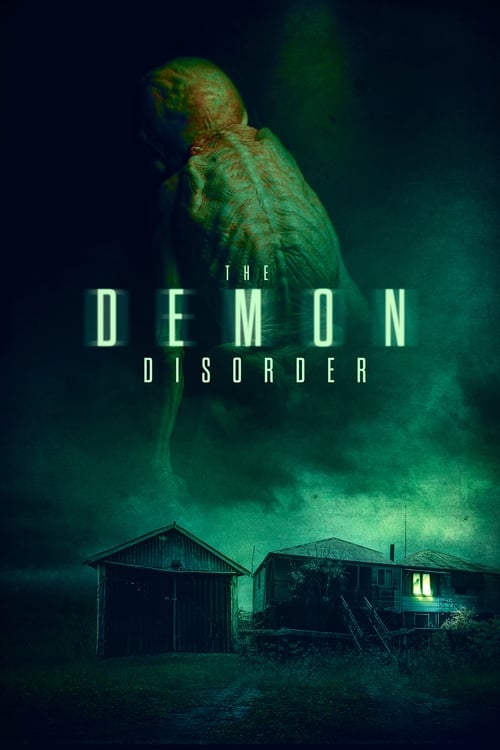
The Demon Disorder - Review
"The Demon Disorder": A Family's Dark Legacy Haunts the Screen
The horror genre thrives on exploring the shadows that lurk within the human psyche, often manifesting in the form of malevolent entities or sinister secrets. "The Demon Disorder," released on August 16th, 2024, attempts to delve into this darkness, weaving a tale of familial trauma, buried lies, and a vengeful spirit. The film follows three brothers grappling with the legacy of their deceased father, whose hidden past unravels to unleash a terrifying force upon them. While the premise holds promise, the execution is a mixed bag, offering moments of genuine dread interspersed with narrative stumbles and uneven performances. Let's dissect the film's strengths and weaknesses, exploring whether "The Demon Disorder" successfully conjures a chilling experience or merely succumbs to the genre's well-trodden tropes.
Plot: A Tangled Web of Secrets and Revenge
The narrative of "The Demon Disorder" centers around the estranged brothers, Ethan, Caleb, and Daniel, who are brought together by the unexpected death of their father, a man shrouded in mystery and perceived as emotionally distant. As they sift through his belongings, they stumble upon a series of cryptic journals and unsettling artifacts that hint at a dark secret – their father's involvement in occult practices and a pact with a malevolent entity. The discovery triggers a chain of events, unleashing a vengeful spirit connected to their father's past, which begins to torment the brothers, exposing their own hidden flaws and personal demons. The plot thickens as they delve deeper into the mystery, uncovering a history of betrayal, sacrifice, and a desperate attempt to contain a powerful evil. The core of the story revolves around the brothers confronting not only the external threat but also the internal wounds inflicted by their father's actions and their own unresolved conflicts.
While the initial premise is intriguing, the plot suffers from pacing issues. The first act feels rushed, cramming exposition and character introductions into a short timeframe, leaving little room for emotional resonance. The middle act, where the brothers investigate their father's past and experience increasingly terrifying encounters, fares better, building suspense and offering glimpses of genuine horror. However, the final act falters, relying on predictable jump scares and a convoluted resolution that feels somewhat unsatisfying. The film attempts to weave a complex tapestry of interconnected events, but the threads often feel loose, leading to plot holes and unanswered questions. The motivation of the vengeful spirit, while initially compelling, becomes muddled towards the end, diminishing its impact. The use of flashbacks, while intended to provide context, occasionally disrupts the narrative flow, creating a sense of disjointedness.
Characters: Broken Souls Haunted by the Past
The success of any horror film hinges on its characters' ability to evoke empathy and fear. "The Demon Disorder" attempts to create compelling characters in the form of the three brothers, each burdened by their own personal struggles and haunted by their father's legacy. Ethan, the eldest, is portrayed as the responsible and pragmatic one, struggling to hold the family together while battling his own inner demons. Caleb, the middle child, is a rebellious and cynical figure, haunted by past mistakes and resentful of his father's perceived neglect. Daniel, the youngest, is the most sensitive and vulnerable, bearing the brunt of the supernatural attacks and grappling with his own sense of identity. The dynamic between the brothers is initially strained, marked by years of unspoken resentments and unresolved conflicts. As they face the supernatural threat, they are forced to confront their differences and forge a bond of unity.
However, the character development feels somewhat superficial. While the actors deliver commendable performances, the script doesn't provide them with enough depth to truly connect with the audience. Ethan's stoicism often comes across as detached, making it difficult to empathize with his struggles. Caleb's cynicism feels one-dimensional, lacking the nuance needed to make him a truly compelling character. Daniel's vulnerability, while initially sympathetic, becomes repetitive, reducing him to a damsel-in-distress figure. The supporting characters, including the brothers' childhood friend and a local historian, are underdeveloped and serve primarily as plot devices, adding little to the overall narrative. The film misses an opportunity to explore the psychological impact of trauma and the long-lasting effects of a dysfunctional family dynamic. A deeper exploration of the brothers' individual struggles and their relationships with each other would have added more emotional weight to the horror elements.
Direction and Cinematography: A Visual Feast with Uneven Execution
Director [Insert Director's Name Here] demonstrates a clear understanding of the horror genre, employing various techniques to create a sense of unease and suspense. The film utilizes a combination of jump scares, atmospheric tension, and psychological horror to keep the audience on edge. The pacing, as mentioned earlier, is uneven, but the director manages to create moments of genuine dread through skillful use of lighting, sound design, and camera angles. The film's visual style is reminiscent of classic horror films, with a focus on practical effects and a deliberate avoidance of excessive CGI. The director effectively uses shadows and darkness to create a sense of mystery and foreboding, leaving much to the imagination. The camera work is generally well-executed, with a mix of static shots and dynamic movements that add to the overall atmosphere.
The cinematography, helmed by [Insert Cinematographer's Name Here], is a highlight of the film. The use of color palettes is particularly effective, with muted tones and contrasting shadows creating a visually unsettling experience. The film's locations, including a dilapidated mansion, a secluded forest, and a dusty library, are beautifully captured, adding to the sense of isolation and dread. The use of close-ups effectively conveys the characters' fear and desperation, while wide shots emphasize the vastness of the environment and the feeling of being trapped. However, the film occasionally relies too heavily on jump scares, which become predictable and lose their impact over time. A more subtle and nuanced approach to horror would have been more effective in creating a lasting sense of unease. The editing is also somewhat inconsistent, with some scenes feeling rushed while others drag on unnecessarily.
Performances: A Mixed Bag of Talent
The performances in "The Demon Disorder" are a mixed bag, with some actors delivering standout performances while others struggle to connect with their characters. [Insert Actor's Name Here], who plays Ethan, delivers a solid performance, portraying the character's stoicism and inner turmoil with conviction. [Insert Actor's Name Here], who plays Caleb, manages to capture the character's cynicism and resentment, but his performance occasionally feels one-dimensional. [Insert Actor's Name Here], who plays Daniel, delivers a sympathetic performance, but his character's vulnerability becomes repetitive and lacks depth. The supporting cast is generally adequate, but their performances are overshadowed by the lead actors. The chemistry between the brothers is believable, but the script doesn't provide them with enough opportunities to explore their relationships in depth. Overall, the performances are competent but not particularly memorable. Stronger character development and more nuanced writing would have allowed the actors to truly shine.
Themes and Messages: Exploring the Darkness Within
"The Demon Disorder" explores several recurring themes within the horror genre, including the power of the past, the consequences of secrets, and the destructive nature of revenge. The film suggests that the past can haunt us in tangible ways, manifesting in the form of vengeful spirits or unresolved traumas. The brothers are forced to confront their father's dark legacy, which has a profound impact on their lives and their relationships with each other. The film also highlights the dangers of keeping secrets, suggesting that buried lies can fester and ultimately lead to destruction. The brothers' father's hidden past unravels to unleash a terrifying force upon them, exposing the consequences of his actions. Finally, the film explores the theme of revenge, suggesting that seeking vengeance can ultimately lead to more suffering and pain. The vengeful spirit seeks retribution for past wrongs, but its actions only perpetuate the cycle of violence and trauma. The film also touches upon themes of family, forgiveness, and redemption, suggesting that even in the face of darkness, there is always hope for healing and reconciliation.
However, the film's exploration of these themes feels somewhat superficial. The messages are often heavy-handed and lack subtlety. The film doesn't delve deep enough into the psychological complexities of trauma and revenge, leaving the audience with a sense of intellectual detachment. A more nuanced and thought-provoking exploration of these themes would have elevated the film beyond the level of a generic horror flick.
Comparison to Other Films: A Familiar Territory
"The Demon Disorder" shares similarities with other horror films that explore themes of familial trauma, occult practices, and vengeful spirits. Films like "Hereditary," "The Babadook," and "The Conjuring" franchise also delve into the darkness that lurks within families and the consequences of buried secrets. However, "The Demon Disorder" lacks the originality and emotional depth of these films. While it borrows elements from classic horror films, it doesn't offer anything particularly new or innovative. The film's reliance on jump scares and predictable plot twists makes it feel somewhat derivative. Compared to previous works by the same director or actors, "The Demon Disorder" is a step down in terms of quality. [If applicable, mention previous works and their strengths/weaknesses compared to this film]. Overall, "The Demon Disorder" treads familiar territory without adding anything significant to the genre.
Positive Aspects: Moments of Genuine Dread
Despite its flaws, "The Demon Disorder" does have some redeeming qualities. The film's cinematography is visually striking, creating a sense of unease and dread. The use of practical effects is commendable, adding to the film's authenticity. The performances, while uneven, are generally competent. The film also manages to create moments of genuine terror, particularly in the middle act, where the brothers experience increasingly terrifying encounters. The film's premise, while not entirely original, is intriguing and has the potential to be explored in more depth. The exploration of familial trauma and the consequences of secrets is also relevant and resonates with audiences. Overall, "The Demon Disorder" offers some moments of genuine entertainment for horror fans, but it ultimately falls short of its potential.
Constructive Criticism: Missed Opportunities and Narrative Stumbles
The film suffers from several weaknesses that detract from the overall experience. The pacing is uneven, with the first act feeling rushed and the final act feeling convoluted. The character development is superficial, leaving the audience with a sense of intellectual detachment. The plot relies on predictable jump scares and plot twists, making it feel somewhat derivative. The exploration of themes is heavy-handed and lacks subtlety. The film misses an opportunity to delve deeper into the psychological complexities of trauma and revenge. A more nuanced and thought-provoking approach to storytelling would have elevated the film beyond the level of a generic horror flick. Stronger character development, more consistent pacing, and a more original plot would have made "The Demon Disorder" a more compelling and memorable film.
Conclusion: A Descent into Darkness with Uneven Results
"The Demon Disorder" attempts to weave a chilling tale of familial trauma and vengeful spirits, but ultimately falls short of its potential. While the film offers moments of genuine dread and boasts visually striking cinematography, it suffers from uneven pacing, superficial character development, and a predictable plot. The performances are competent but not particularly memorable, and the exploration of themes feels somewhat heavy-handed. The film treads familiar territory without adding anything significant to the genre. Despite its flaws, "The Demon Disorder" may appeal to horror fans seeking a quick and easy scare, but it is unlikely to leave a lasting impression. The film's potential is evident, but its execution is ultimately disappointing. Perhaps a tighter script, more nuanced direction, and stronger character development could have transformed "The Demon Disorder" into a truly terrifying and thought-provoking experience.