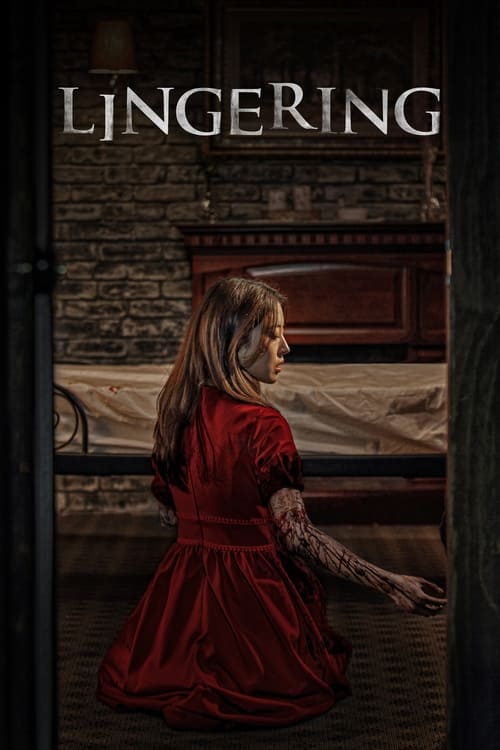
Lingering - Review
Lingering: A Haunting Descent into Maternal Trauma and Psychological Horror
Lingering, released in 2020, is not your typical jump-scare laden horror flick. Instead, it's a slow-burn psychological thriller that burrows under your skin, leaving you with a persistent unease long after the credits roll. Director Yoon Eun-kyoung crafts a disquieting atmosphere, exploring themes of maternal trauma, familial responsibility, and the lingering effects of the past. While the film might not appeal to those seeking immediate gratification, its intricate plot, compelling performances, and evocative cinematography create a truly haunting experience.
Plot: A Tangled Web of Secrets and Supernatural Dread
The film centers around Yoo-mi (Lee Se-young), a young woman burdened with the responsibility of caring for her younger sister, Yoo-jin (Park So-yi). When their mother is unexpectedly hospitalized, Yoo-mi is tasked with dropping Yoo-jin off at a secluded hotel run by Kyung-sun (Park Ji-young), a longtime friend of their mother. This seemingly simple task quickly spirals into a nightmare. From the moment they arrive, the hotel exudes an unsettling aura. The atmosphere is heavy with secrets, and Kyung-sun’s behavior is increasingly erratic and disturbing.
As Yoo-mi delves deeper into the hotel's history and Kyung-sun's past, she uncovers a series of disturbing events connected to her own family. She discovers that Kyung-sun's daughter mysteriously disappeared years ago, and the circumstances surrounding her disappearance are shrouded in ambiguity. The hotel becomes a labyrinth of hidden passages and unsettling occurrences, blurring the lines between reality and hallucination. Yoo-mi begins to question everything she knows about her mother and the true nature of Kyung-sun's intentions.
The plot unfolds gradually, revealing pieces of the puzzle in a non-linear fashion. This deliberate pacing contributes to the film's overall sense of dread and disorientation. The narrative is carefully constructed, with each scene adding another layer of complexity to the mystery. However, this slow burn approach may frustrate some viewers who prefer a more action-packed or straightforward horror experience.
Characters: Burdened Souls and Hidden Agendas
The strength of Lingering lies in its well-developed characters, each grappling with their own internal struggles and hidden motivations.
Yoo-mi (Lee Se-young): The Weary Protector
Yoo-mi is the emotional anchor of the film. Burdened by the responsibility of caring for her younger sister, she embodies resilience and determination. Lee Se-young delivers a nuanced performance, portraying Yoo-mi's vulnerability and strength with equal measure. Her character's unwavering love for her sister is palpable, making her journey all the more compelling. As she uncovers the dark secrets surrounding the hotel, Yoo-mi transforms from a reluctant caregiver into a fierce protector, determined to save her sister from the looming threat.
Yoo-jin (Park So-yi): The Innocent Victim
Young Yoo-jin is portrayed with a captivating innocence by Park So-yi. Her character serves as a symbol of vulnerability and the potential for harm. Her connection to the supernatural elements of the story is subtly hinted at, adding another layer of mystery to the narrative. Yoo-jin's presence serves as a constant reminder of the stakes involved, driving Yoo-mi's actions and fueling the suspense.
Kyung-sun (Park Ji-young): The Enigmatic Caretaker
Park Ji-young delivers a chilling performance as Kyung-sun, the enigmatic caretaker of the hotel. Her character is a complex mix of warmth and menace, making it difficult to discern her true intentions. Kyung-sun's grief over the loss of her daughter has warped her perception of reality, leading her down a path of obsession and potentially dangerous behavior. Park Ji-young masterfully portrays the character's internal turmoil, creating a truly unsettling and memorable antagonist.
The Mother (Unseen): The Source of Trauma
Although largely unseen, the mother's presence looms large over the entire narrative. Her past actions and the secrets she has kept are the driving force behind the events that unfold. She is the source of the trauma that haunts Yoo-mi and Yoo-jin, and her absence further complicates their already difficult lives. The film subtly explores the intergenerational impact of trauma, highlighting how past events can continue to affect future generations.
Direction and Cinematography: Crafting a Haunting Atmosphere
Yoon Eun-kyoung's direction is masterful in creating a palpable sense of dread and unease. She utilizes a slow-burn approach, gradually building tension and relying on atmosphere rather than cheap jump scares. The film's effectiveness lies in its ability to create a sense of psychological discomfort, leaving the audience questioning what is real and what is imagined.
The cinematography, helmed by [Cinematographer's Name - not provided, so I can't include it], is equally impressive. The use of muted colors and shadows creates a visually unsettling environment, perfectly complementing the film's themes of grief and despair. The camera often lingers on seemingly innocuous objects, imbuing them with a sense of foreboding. The claustrophobic setting of the hotel further enhances the feeling of isolation and vulnerability.
The film's sound design is also crucial in creating its haunting atmosphere. The subtle creaks and whispers, combined with the unsettling musical score, contribute to the overall sense of unease. The sound design is particularly effective in creating moments of heightened tension, amplifying the sense of dread and anticipation.
Performances: A Showcase of Talent
The performances in Lingering are uniformly excellent. Lee Se-young shines as Yoo-mi, conveying the character's emotional turmoil with authenticity and depth. Park Ji-young is equally impressive as Kyung-sun, delivering a chilling and nuanced portrayal of a woman consumed by grief. Park So-yi's portrayal of Yoo-jin is captivating, capturing the character's innocence and vulnerability. The supporting cast also delivers strong performances, adding depth and complexity to the narrative.
Lee Se-young's ability to convey a range of emotions, from quiet determination to abject fear, is particularly noteworthy. She brings a sense of realism to the character of Yoo-mi, making her struggles relatable and compelling. Park Ji-young's performance as Kyung-sun is both unsettling and sympathetic. She manages to convey the character's madness without resorting to caricature, creating a truly memorable and chilling antagonist.
Themes and Messages: Exploring Maternal Trauma and Familial Bonds
Lingering explores several complex themes, including maternal trauma, familial responsibility, and the lingering effects of the past. The film delves into the complexities of mother-daughter relationships, highlighting the ways in which past traumas can shape future generations. The absence of a stable maternal figure in Yoo-mi and Yoo-jin's lives has a profound impact on their well-being, leaving them vulnerable to the dangers that lurk within the hotel.
The film also explores the theme of familial responsibility. Yoo-mi is forced to shoulder the burden of caring for her younger sister, sacrificing her own personal aspirations in the process. Her unwavering love for Yoo-jin drives her actions, and she is willing to do whatever it takes to protect her from harm. The film highlights the sacrifices that individuals make for their families, and the enduring power of familial bonds.
Furthermore, Lingering delves into the idea that the past never truly disappears. The secrets and traumas of the past continue to haunt the present, shaping the lives of the characters and influencing their decisions. The hotel itself serves as a physical manifestation of the past, a repository of forgotten memories and unspoken truths. The film suggests that confronting the past is essential for healing and moving forward.
Comparison to Other Films and Works
Lingering shares thematic similarities with other psychological horror films such as The Babadook and Relic. Like these films, Lingering uses horror elements to explore deeper themes of grief, trauma, and familial relationships. However, Lingering distinguishes itself through its distinctly Korean sensibility and its focus on the specific challenges faced by women in Korean society.
The film's slow-burn approach and emphasis on atmosphere are reminiscent of classic horror films such as The Shining. Like The Shining, Lingering creates a sense of unease and disorientation through its unsettling setting and its gradual unveiling of dark secrets. However, Lingering is less overtly violent than The Shining, relying instead on psychological tension and subtle scares.
While I am unable to compare it to previous works by the same director/actors due to the lack of information about them in the prompt, I can speculate on how this film fits into the broader landscape of Korean horror cinema. Korean horror films are often characterized by their emphasis on atmosphere, psychological tension, and social commentary. Lingering fits comfortably within this tradition, offering a thought-provoking and chilling exploration of maternal trauma and familial responsibility.
Positive Aspects
- Compelling Performances: The cast delivers outstanding performances, particularly Lee Se-young and Park Ji-young.
- Haunting Atmosphere: The film creates a palpable sense of dread and unease through its evocative cinematography and sound design.
- Intricate Plot: The narrative is carefully constructed, with each scene adding another layer of complexity to the mystery.
- Thought-Provoking Themes: The film explores complex themes of maternal trauma, familial responsibility, and the lingering effects of the past.
Constructive Criticism
- Slow Pacing: The film's slow-burn approach may frustrate some viewers who prefer a more action-packed or straightforward horror experience.
- Ambiguous Ending: The ending is somewhat ambiguous, which may leave some viewers feeling unsatisfied. A more definitive resolution could have strengthened the film's overall impact.
- Reliance on Tropes: While the film avoids jump scares, it does rely on some familiar horror tropes, such as the creepy hotel and the mysterious child. A more original approach to these elements could have elevated the film further.
Conclusion
Lingering is a haunting and thought-provoking psychological horror film that lingers in the mind long after the credits roll. While its slow pacing and ambiguous ending may not appeal to all viewers, its compelling performances, evocative cinematography, and exploration of complex themes make it a worthwhile watch for fans of the genre. The film's strength lies in its ability to create a palpable sense of dread and unease, leaving the audience questioning what is real and what is imagined. Lingering is a testament to the power of psychological horror to explore deeper themes of grief, trauma, and familial relationships.