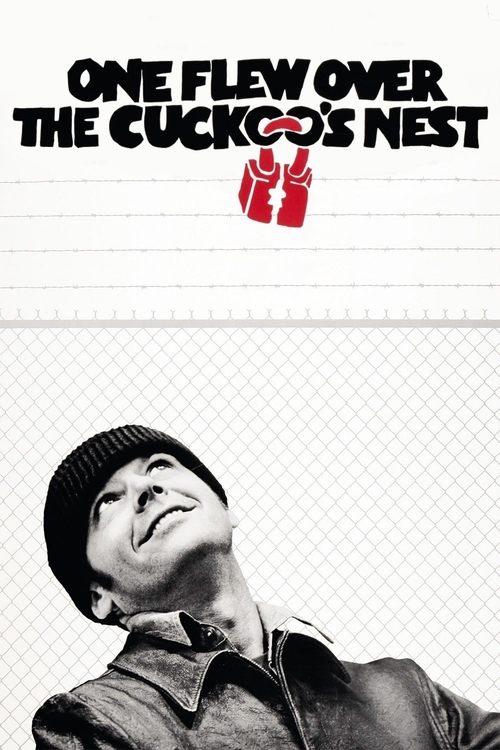
One Flew Over the Cuckoo's Nest - Review
One Flew Over the Cuckoo's Nest: A Timeless Symphony of Rebellion and Humanity
Forget everything you think you know about institutional drama. Miloš Forman's One Flew Over the Cuckoo's Nest isn't just a film; it's an experience. Released in 1975, this cinematic masterpiece transcends its genre, delving into the very heart of human spirit, rebellion against oppressive systems, and the fragile line between sanity and madness. More than just a story about a mental institution, it's a powerful commentary on societal control, the importance of individuality, and the enduring strength found in community. This review dives deep into the film's multifaceted brilliance, exploring its captivating plot, unforgettable characters, masterful direction, striking cinematography, and the powerhouse performances that cemented its place in cinematic history.
Plot: A Spark of Anarchy in a Sterile World
The narrative centers around Randle McMurphy (Jack Nicholson), a charismatic and rebellious petty criminal who feigns insanity to avoid hard labor in prison. He's transferred to a mental institution hoping for an easier ride. However, he quickly discovers that the ward, presided over by the chillingly composed Nurse Ratched (Louise Fletcher), is less a sanctuary and more a tightly controlled environment designed to suppress individuality and enforce conformity. McMurphy's arrival is a catalyst, a spark of anarchy thrown into the sterile, regimented world of the ward. His infectious laughter, his defiance of the rules, and his unwavering belief in the patients' inherent worth begins to awaken something within them. He challenges the established order, encourages them to embrace life, and ultimately, inspires them to fight for their own autonomy.
The plot unfolds as a series of escalating confrontations between McMurphy and Nurse Ratched. He organizes card games, smuggles in alcohol, and even orchestrates a fishing trip – all acts of rebellion that chip away at Ratched's control. These acts, seemingly small, are monumental for the patients, offering them a taste of freedom and self-determination they haven't experienced in years. The story's tension builds relentlessly, culminating in a tragic climax that underscores the devastating consequences of unchecked power and the sacrifices made in the name of freedom.
Characters: A Tapestry of Humanity
One Flew Over the Cuckoo's Nest boasts a cast of characters so vividly drawn and deeply human that they linger in the memory long after the credits roll. Each patient in the ward is a unique individual, struggling with their own inner demons and societal pressures. Let's delve into some of the most memorable:
- Randle McMurphy (Jack Nicholson): The film's protagonist, McMurphy, is a force of nature. He's loud, boisterous, and unapologetically himself. He's not necessarily a "good" person in the traditional sense; he's flawed, impulsive, and often motivated by self-interest. However, beneath his rebellious exterior lies a deep well of empathy and a genuine desire to help the other patients. Nicholson's performance is electrifying, capturing McMurphy's charisma, vulnerability, and unwavering spirit.
- Nurse Ratched (Louise Fletcher): The antagonist of the story, Nurse Ratched, is a master of passive-aggressive control. She maintains order through manipulation, subtle intimidation, and the systematic erosion of the patients' self-esteem. She's not overtly cruel, but her detached demeanor and unwavering adherence to the rules make her a formidable and chilling presence. Fletcher's portrayal is a masterpiece of understated villainy, making Ratched one of the most iconic and terrifying characters in cinematic history.
- Chief Bromden (Will Sampson): A towering Native American man who pretends to be deaf and mute, Chief Bromden is the film's narrator and, in many ways, its emotional core. He's been institutionalized for years and has retreated into a world of paranoia and delusion. McMurphy's arrival begins to awaken something within him, reminding him of his strength and his connection to his heritage. Sampson's performance is both powerful and deeply moving.
- Billy Bibbit (Brad Dourif): A young man with a severe stutter and crippling social anxiety, Billy is completely dominated by his overbearing mother and Nurse Ratched. He's desperately insecure and longs for connection. McMurphy takes Billy under his wing, encouraging him to break free from his inhibitions. Dourif's performance is heartbreaking, capturing Billy's fragility and his desperate yearning for acceptance.
- Martini (Danny DeVito), Harding (William Redfield), Cheswick (Sydney Lassick): These are just a few of the other patients who inhabit the ward, each with their own unique quirks and struggles. They represent a cross-section of society, individuals who have been deemed "unfit" or "unstable" by the prevailing norms.
The strength of One Flew Over the Cuckoo's Nest lies in its ability to portray these characters with such depth and nuance. They are not simply "crazy" people; they are individuals with hopes, dreams, and fears, trapped in a system that seeks to strip them of their humanity.
Direction: Forman's Masterful Hand
Miloš Forman's direction is nothing short of brilliant. He creates a claustrophobic and oppressive atmosphere within the confines of the mental institution, effectively conveying the sense of confinement and control that the patients experience. Forman's use of naturalistic acting and improvisational techniques adds to the film's authenticity, making the characters feel incredibly real and relatable. He allows the actors to breathe, to explore their characters' emotions, and to create moments of genuine connection. Forman avoids sensationalizing the mental illness of the patients, instead focusing on their humanity and their struggles for dignity and self-expression. His direction is subtle yet powerful, allowing the story and the characters to speak for themselves.
One of Forman's key decisions was to film the movie in an actual psychiatric hospital, using real patients as extras. This added a layer of authenticity and realism to the film that is palpable. He also allowed the actors to interact with the patients, further blurring the lines between fiction and reality. This immersive approach contributed significantly to the film's emotional impact and its enduring power.
Cinematography: Capturing the Confines of the Mind
The cinematography, primarily handled by Haskell Wexler and Bill Butler (Wexler was fired mid-production due to creative differences), is crucial in establishing the film's atmosphere and conveying its themes. The use of natural light and a muted color palette creates a sense of realism and underscores the drabness of the ward. The camera often focuses on the faces of the characters, capturing their emotions and their inner struggles. Close-ups are used to emphasize their vulnerability and their moments of triumph. The visual style is understated yet effective, serving to enhance the story and the performances.
The film's visual language also plays a significant role in highlighting the power dynamics between McMurphy and Nurse Ratched. Shots often frame Ratched from a lower angle, emphasizing her authority and control. Conversely, McMurphy is often framed from a higher angle, suggesting his rebellious spirit and his defiance of the established order. These subtle visual cues contribute to the film's overall message about the struggle for power and the importance of individual freedom.
Performances: A Symphony of Talent
The performances in One Flew Over the Cuckoo's Nest are universally acclaimed, and for good reason. Jack Nicholson delivers a career-defining performance as Randle McMurphy, capturing his charisma, his vulnerability, and his unwavering spirit. Louise Fletcher is equally brilliant as Nurse Ratched, creating a character who is both terrifying and strangely sympathetic. The supporting cast is equally strong, with each actor bringing their own unique talents to the table. Will Sampson's portrayal of Chief Bromden is particularly memorable, as is Brad Dourif's heartbreaking performance as Billy Bibbit. The ensemble cast works together seamlessly, creating a sense of community and camaraderie that is essential to the film's success.
It's worth noting that many of the actors had little to no formal acting training, and their performances were often improvised. This adds to the film's naturalistic feel and contributes to its overall authenticity. The actors were encouraged to draw on their own personal experiences and emotions, resulting in performances that are both raw and deeply moving.
Themes and Messages: A Timeless Commentary
One Flew Over the Cuckoo's Nest explores a multitude of complex and enduring themes, including:
- Individuality vs. Conformity: The film is a powerful indictment of societal pressures to conform and a celebration of the importance of individuality. McMurphy represents the spirit of rebellion against oppressive systems, while Nurse Ratched embodies the forces of conformity and control.
- The Nature of Sanity and Madness: The film challenges our preconceived notions about sanity and madness, suggesting that the line between the two is often blurred. The patients in the ward are not necessarily "crazy"; they are simply individuals who have been deemed "unfit" by society.
- The Abuse of Power: The film exposes the dangers of unchecked power and the devastating consequences of institutional control. Nurse Ratched's abuse of authority is a central theme, highlighting the importance of challenging those in positions of power.
- The Importance of Community: The film underscores the importance of community and the power of human connection. The patients in the ward find solace and strength in each other, forming a bond that helps them to resist the oppressive forces around them.
- Sacrifice and Freedom: The film explores the sacrifices that are often necessary in the pursuit of freedom. McMurphy's ultimate sacrifice is a testament to his unwavering belief in the importance of individual liberty.
These themes resonate deeply with audiences, making One Flew Over the Cuckoo's Nest a timeless and enduring work of art. The film's message about the importance of individuality, the dangers of conformity, and the power of human connection remains as relevant today as it was in 1975.
Comparison to Other Films and Works
One Flew Over the Cuckoo's Nest can be compared to other films that explore similar themes of rebellion against oppressive systems, such as Cool Hand Luke (1967) and The Shawshank Redemption (1994). Like McMurphy, the protagonists of these films are charismatic rebels who challenge the established order and inspire others to fight for their freedom. However, One Flew Over the Cuckoo's Nest stands apart due to its unique setting and its focus on the complexities of mental illness.
In terms of Miloš Forman's other works, One Flew Over the Cuckoo's Nest shares similarities with his earlier films, such as Loves of a Blonde (1965) and The Firemen's Ball (1967), in its focus on human nature and its exploration of societal absurdities. However, One Flew Over the Cuckoo's Nest is arguably his most ambitious and impactful work, showcasing his masterful storytelling abilities and his deep understanding of the human condition.
Regarding Jack Nicholson's filmography, this performance is often ranked among his best, alongside roles in films like Chinatown (1974) and The Shining (1980). It cemented his status as one of the greatest actors of his generation, showcasing his range, charisma, and ability to embody complex and flawed characters.
Positive Aspects and Constructive Criticism
Positive Aspects:
- Powerful Performances: The acting is superb across the board, with Nicholson and Fletcher delivering iconic performances.
- Compelling Story: The narrative is gripping and emotionally resonant, exploring complex themes in a thought-provoking way.
- Masterful Direction: Forman's direction is subtle yet effective, creating a claustrophobic and oppressive atmosphere.
- Authentic Setting: The use of a real psychiatric hospital adds a layer of realism to the film.
- Timeless Message: The film's themes of individuality, conformity, and the abuse of power remain relevant today.
Constructive Criticism:
- Pacing: While the film is generally well-paced, some viewers may find the middle section to be slightly slow.
- Simplification of Mental Illness: While the film strives to portray the patients with empathy, some critics argue that it simplifies the complexities of mental illness and reinforces certain stereotypes. The film should be viewed as a fictionalized account and not a definitive representation of mental health conditions.
Conclusion
One Flew Over the Cuckoo's Nest is a cinematic triumph, a powerful and unforgettable film that continues to resonate with audiences decades after its release. Its compelling story, unforgettable characters, masterful direction, and thought-provoking themes make it a true masterpiece. While it may not be perfect, its strengths far outweigh its weaknesses. It's a film that challenges us to question societal norms, to embrace our individuality, and to fight for our freedom. It's a film that stays with you long after the credits roll, prompting reflection and discussion. It's a must-see for any serious film enthusiast.
Rating: 10/10