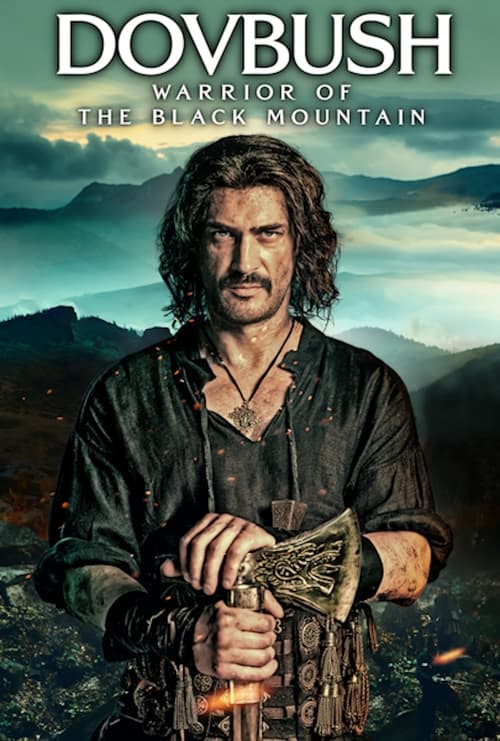
Dovbush - Review
Dovbush: A Carpathian Legend Forged in Fire and Betrayal
Oleksa Dovbush. The name echoes through the Carpathian mountains, a legend whispered on the wind, a symbol of rebellion against oppression. In 2023, director Oles Sanin brought this historical figure to life in the epic drama Dovbush, a sweeping tale of brotherhood, betrayal, love, and the fight for freedom in 18th-century Ukraine. More than just a historical action film, Dovbush attempts to delve into the heart of a national myth, exploring the man behind the legend and the circumstances that forged him into a symbol of resistance. But does it succeed? This review will dissect the film's strengths and weaknesses, examining its plot, characters, visuals, and ultimately, its impact.
Plot: A Mountain of Intrigue, But Does It Reach the Summit?
The narrative of Dovbush is rooted in the historical context of the early 18th century, a period of foreign rule and hardship for the Hutsul people of the Carpathian mountains. The film introduces us to two brothers, Oleksa (Serhii Strelnikov) and Ivan (Oleksandr Mavrits), who, driven by desperation and a desire to protect their community, become opryshkos – mountain outlaws who take from the rich and give to the poor. This initial act of rebellion sets the stage for a complex and often brutal journey. The central conflict arises when the brothers' paths diverge. Ivan becomes increasingly driven by greed, prioritizing personal gain over the collective good. Oleksa, on the other hand, remains steadfast in his commitment to his people, becoming a beacon of hope and resistance against the oppressive Polish nobility.
The film masterfully depicts the growing tension between the brothers, showcasing the ideological rift that ultimately tears them apart. This familial conflict adds a layer of emotional depth to the story, elevating it beyond a simple tale of good versus evil. The narrative also incorporates a romantic subplot involving Oleksa and his childhood sweetheart, Marichka (Daria Plakhtiy), whose love becomes both a source of strength and a vulnerability that the cunning Polish lords exploit. This romantic element, while adding emotional weight, sometimes feels somewhat predictable and relies on familiar tropes.
However, the plot isn't without its flaws. While the broad strokes of the story are compelling, the pacing can feel uneven at times. Certain scenes, particularly those involving political intrigue and the machinations of the Polish nobility, feel rushed and underdeveloped. This can make it difficult to fully grasp the complexities of the political landscape and the motivations of some of the supporting characters. Furthermore, the film occasionally suffers from a lack of focus, with subplots and minor characters vying for attention, sometimes at the expense of the central narrative thread. The ending, while dramatic, feels somewhat abrupt and leaves some questions unanswered, potentially leaving viewers wanting more closure.
Characters: Forging Legends in the Carpathian Wilderness
The characters in Dovbush are a mixed bag, with some shining brightly and others feeling somewhat underdeveloped. Serhii Strelnikov delivers a compelling performance as Oleksa Dovbush, capturing the character's charisma, strength, and unwavering commitment to his people. He portrays Dovbush not just as a fearless warrior, but also as a compassionate leader burdened by the weight of his responsibilities. Strelnikov's performance is particularly effective in conveying the character's internal struggles, as he grapples with the moral complexities of his actions and the personal sacrifices he must make.
Oleksandr Mavrits as Ivan Dovbush provides a stark contrast to his brother. Mavrits effectively portrays Ivan's descent into greed and corruption, highlighting the corrosive influence of power and self-interest. While his motivations are somewhat simplistic, Mavrits manages to make Ivan a compelling and believable antagonist. Daria Plakhtiy as Marichka, Oleksa's love interest, delivers a solid performance, but the character itself is somewhat underdeveloped. Marichka often feels like a plot device, primarily serving to motivate Oleksa and provide him with a vulnerability that the villains can exploit. While Plakhtiy brings a certain charm and vulnerability to the role, the character could have benefited from more depth and agency.
The supporting characters, including the Polish nobles and the other opryshkos, are a mixed bag. Some, like the ruthless and cunning nobleman Przeclawski (Mateusz Kościukiewicz), are effectively portrayed as formidable adversaries. However, others feel like caricatures, lacking the nuance and complexity that would make them truly memorable. Overall, while the central characters are well-developed and compelling, the supporting cast could have benefited from more attention and depth.
Direction: A Grand Vision, But Some Stumbles Along the Way
Oles Sanin's direction in Dovbush is ambitious and visually striking. He clearly has a grand vision for the film, and he succeeds in creating a sense of scale and epic scope. The film is beautifully shot, with stunning visuals of the Carpathian mountains and meticulously crafted costumes and sets that transport the viewer back to the 18th century. Sanin's use of natural light and practical effects adds to the film's authenticity and immersiveness.
However, Sanin's direction is not without its flaws. As mentioned earlier, the pacing of the film can be uneven, and some scenes feel rushed or underdeveloped. Sanin also relies on some familiar tropes and clichés, particularly in the romantic subplot. Furthermore, the action sequences, while visually impressive, sometimes lack a sense of clarity and coherence. The camera movement can be frenetic and disorienting, making it difficult to follow the action. Despite these shortcomings, Sanin's direction is overall impressive, showcasing his talent for visual storytelling and his passion for the subject matter.
Cinematography: A Visual Feast for the Eyes
The cinematography in Dovbush is undoubtedly one of its strongest assets. The film is visually stunning, with breathtaking shots of the Carpathian mountains, lush forests, and dramatic landscapes. The cinematographers (Serhiy Mykhalchuk, Yuriy Korol) have captured the beauty and grandeur of the region with remarkable skill. The use of natural light is particularly effective, creating a sense of realism and authenticity. The film also makes excellent use of color, with vibrant hues that bring the 18th-century world to life. The costumes and sets are meticulously crafted and visually striking, adding to the film's overall sense of immersion.
The cinematography is not just aesthetically pleasing; it also serves to enhance the storytelling. The sweeping vistas and dramatic landscapes underscore the scale and scope of the story, while the close-up shots of the characters' faces convey their emotions and motivations. The cinematography also plays a crucial role in creating a sense of atmosphere and mood, with the use of shadows and light to create tension and suspense. Overall, the cinematography in Dovbush is a visual feast for the eyes and a testament to the skill and artistry of the cinematographers.
Performances: A Mix of Strength and Underdevelopment
The performances in Dovbush are a mixed bag, with some actors delivering standout performances and others feeling somewhat underwhelming. As mentioned earlier, Serhii Strelnikov delivers a compelling performance as Oleksa Dovbush, capturing the character's charisma, strength, and unwavering commitment to his people. Oleksandr Mavrits as Ivan Dovbush provides a stark contrast to his brother, effectively portraying Ivan's descent into greed and corruption. Daria Plakhtiy as Marichka delivers a solid performance, but the character itself is somewhat underdeveloped.
The supporting cast is a mixed bag as well. Mateusz Kościukiewicz delivers a memorable performance as the ruthless nobleman Przeclawski. However, other supporting actors feel somewhat wooden or uninspired. Overall, while the central performances are strong, the supporting cast could have benefited from more direction and development.
Themes and Messages: Freedom, Betrayal, and the Price of Resistance
Dovbush explores a number of important themes, including freedom, betrayal, and the price of resistance. The film is ultimately a story about the struggle for freedom against oppression, and the sacrifices that people are willing to make to achieve it. Oleksa Dovbush represents the spirit of resistance, a symbol of hope for the oppressed Hutsul people. His unwavering commitment to his people and his willingness to fight for their freedom inspires others to join his cause.
The film also explores the theme of betrayal, both on a personal and a political level. The betrayal of Ivan Dovbush, who chooses greed and power over loyalty to his brother and his people, is a central conflict in the film. This betrayal highlights the corrosive influence of power and self-interest, and the devastating consequences of choosing personal gain over the common good. The film also explores the political betrayal of the Polish nobility, who exploit and oppress the Hutsul people for their own benefit. This political betrayal underscores the importance of standing up against injustice and fighting for one's rights.
Finally, Dovbush explores the price of resistance. The film makes it clear that the fight for freedom is not without its costs. Oleksa Dovbush and his followers face constant danger, and many of them are killed or imprisoned. The film also highlights the personal sacrifices that Dovbush must make, including his relationship with Marichka. Ultimately, Dovbush is a powerful and thought-provoking film that explores the complexities of resistance and the enduring human desire for freedom.
Comparison to Other Films: Echoes of the Past, a Unique Voice
Dovbush inevitably draws comparisons to other historical epics, particularly those that focus on tales of rebellion and resistance. Films like Braveheart and The Patriot, while set in different historical contexts, share similar themes of freedom, sacrifice, and the fight against tyranny. However, Dovbush distinguishes itself through its focus on a specific historical figure and the unique cultural context of the Carpathian mountains. The film's depiction of Hutsul traditions, customs, and folklore adds a layer of authenticity and cultural richness that sets it apart from other historical epics.
Furthermore, Dovbush can be compared to other Ukrainian historical dramas, such as The Guide and Bitter Harvest. These films also explore themes of oppression and resistance in Ukrainian history. However, Dovbush stands out for its focus on a legendary figure and its emphasis on action and adventure. While The Guide and Bitter Harvest are more somber and introspective, Dovbush is a more visually dynamic and action-packed film.
Oles Sanin's previous work, particularly the film The Guide, provides some insight into his directorial style and his interest in exploring themes of Ukrainian identity and resilience. Both films showcase Sanin's talent for visual storytelling and his ability to create a sense of atmosphere and mood. However, Dovbush is a more ambitious and visually complex film than The Guide, showcasing Sanin's growth as a director.
Positive Aspects: A Visually Stunning and Emotionally Resonant Experience
Dovbush boasts a number of positive aspects that make it a compelling and worthwhile cinematic experience. The cinematography is stunning, capturing the beauty and grandeur of the Carpathian mountains with remarkable skill. The film is visually immersive, with meticulously crafted costumes and sets that transport the viewer back to the 18th century. The central performances, particularly that of Serhii Strelnikov as Oleksa Dovbush, are strong and emotionally resonant. The film explores important themes of freedom, betrayal, and the price of resistance in a thought-provoking and engaging manner.
Furthermore, Dovbush offers a valuable glimpse into Ukrainian history and culture, shedding light on a little-known historical figure and the struggles of the Hutsul people. The film's depiction of Hutsul traditions, customs, and folklore adds a layer of authenticity and cultural richness that sets it apart from other historical epics. Overall, Dovbush is a visually stunning and emotionally resonant film that offers a compelling and thought-provoking exploration of Ukrainian history and culture.
Constructive Criticism: Areas for Improvement
Despite its many strengths, Dovbush is not without its flaws. The pacing of the film can be uneven, with some scenes feeling rushed or underdeveloped. The romantic subplot, while adding emotional weight, sometimes feels somewhat predictable and relies on familiar tropes. The supporting characters, while some are well-developed, others feel like caricatures, lacking the nuance and complexity that would make them truly memorable. The action sequences, while visually impressive, sometimes lack a sense of clarity and coherence.
Furthermore, the film occasionally suffers from a lack of focus, with subplots and minor characters vying for attention, sometimes at the expense of the central narrative thread. The ending, while dramatic, feels somewhat abrupt and leaves some questions unanswered, potentially leaving viewers wanting more closure. To improve upon these issues, a tighter script, more nuanced character development, and clearer action choreography would be beneficial.
Conclusion and Rating
Dovbush is an ambitious and visually stunning historical epic that offers a compelling and thought-provoking exploration of Ukrainian history and culture. While the film suffers from some pacing issues, underdeveloped characters, and occasional clichés, its strengths far outweigh its weaknesses. Serhii Strelnikov's performance as Oleksa Dovbush is captivating, and the film's cinematography is breathtaking. Dovbush is a worthy addition to the historical epic genre and a testament to the power of storytelling. It’s a film that stays with you long after the credits roll, prompting reflection on the themes of freedom, betrayal, and the enduring human spirit.
Rating: 7.5/10