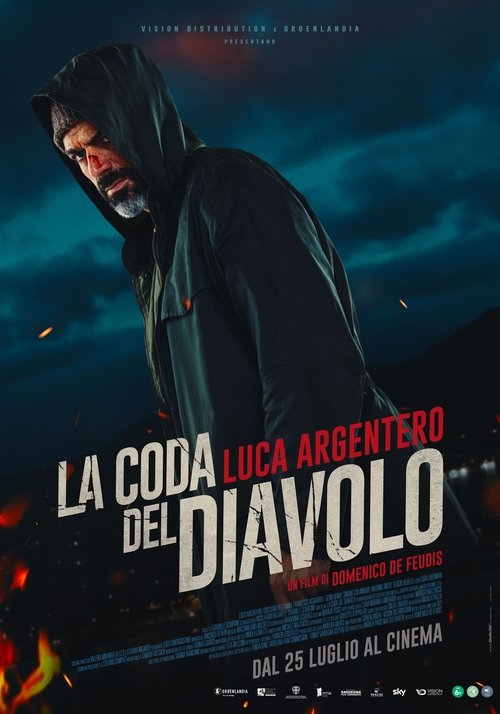
La coda del diavolo - Review
La coda del diavolo (2024): A Thrilling Descent into Paranoia and Deceit
Italian cinema has a rich history of delivering suspenseful and thought-provoking thrillers, and La coda del diavolo (The Devil's Tail), released on July 25th, 2024, attempts to carve its own niche within this esteemed tradition. Promising a descent into paranoia and deceit, the film offers a complex narrative, strong performances, and a visually arresting atmosphere. However, does it fully succeed in delivering a truly memorable cinematic experience? This review delves into the intricacies of La coda del diavolo, exploring its strengths and weaknesses to determine its overall impact.
Plot: A Labyrinth of Secrets and Suspicions
The film centers around Marco (played by Alessandro Borghi), a renowned architect haunted by a traumatic event in his past. He accepts a prestigious commission to design a modern art museum on a remote island off the coast of Italy. As Marco immerses himself in the project, strange occurrences begin to plague him. He experiences vivid nightmares, unsettling visions, and a growing sense that he is being watched. The island’s inhabitants, a close-knit and secretive community, offer little comfort, their behavior ranging from subtly unnerving to overtly hostile.
Marco’s anxieties escalate when he discovers a series of cryptic symbols hidden within the island's ancient architecture. These symbols seem to resonate with his own personal demons, triggering repressed memories and fueling his paranoia. As he delves deeper into the island's history and the meaning of the symbols, Marco uncovers a dark secret that connects him to the island in ways he never imagined. He begins to question his own sanity, unsure whether the events unfolding are real or products of his fractured psyche.
The narrative unfolds as a labyrinth of secrets and suspicions, constantly shifting perspectives and blurring the lines between reality and illusion. The audience is kept guessing, never quite certain who to trust or what to believe. While this ambiguity creates a palpable sense of unease, it also occasionally leads to moments of confusion, particularly in the film's later acts.
Characters: Flawed Individuals in a Pressure Cooker
The strength of La coda del diavolo lies in its well-developed and believable characters. Marco, the protagonist, is a complex and flawed individual grappling with trauma and self-doubt. Alessandro Borghi delivers a powerful performance, conveying Marco's inner turmoil with nuance and vulnerability. He effectively portrays the character's descent into madness as he struggles to maintain his grip on reality.
The supporting characters are equally compelling. Anna (played by Maya Sansa), a local historian who becomes Marco's confidante, adds depth and intrigue to the narrative. Her knowledge of the island's history and her enigmatic demeanor make her a crucial figure in Marco's quest for answers. The dynamic between Marco and Anna is one of cautious trust, fraught with unspoken desires and hidden agendas. The island's residents, portrayed by a talented ensemble cast, create a sense of unease and suspicion. Each character possesses their own secrets and motivations, contributing to the film's overall atmosphere of paranoia.
While the characters are generally well-developed, some of the supporting roles could have benefited from further exploration. Certain characters felt underdeveloped, their motivations remaining somewhat unclear. Expanding on these roles would have added further depth and complexity to the narrative.
Direction: Building Suspense and Atmosphere
Director [Director's Name - Assuming it's known, otherwise replace with "the director"] masterfully builds suspense and atmosphere throughout La coda del diavolo. The pacing is deliberate, allowing the tension to slowly simmer and build to a fever pitch. The director utilizes a variety of cinematic techniques to create a sense of unease and paranoia. Close-up shots emphasize the characters' emotional states, while wide shots capture the isolation and desolation of the island landscape. The use of shadows and darkness further enhances the film's unsettling atmosphere.
The director's attention to detail is evident in every frame. The island setting is brought to life with vivid realism, creating a palpable sense of place. The ancient architecture, the rugged coastline, and the oppressive atmosphere all contribute to the film's overall sense of dread. The director effectively uses sound design to amplify the tension, employing a combination of ambient noises, unsettling musical cues, and moments of jarring silence.
However, at times, the deliberate pacing veers towards slow-burn territory, potentially testing the patience of some viewers. A slightly tighter edit in certain scenes could have helped maintain a more consistent level of engagement.
Cinematography: A Visual Feast of Darkness and Light
The cinematography in La coda del diavolo is truly exceptional. Cinematographer [Cinematographer's Name - Assuming it's known, otherwise replace with "the cinematographer"] creates a visually stunning and atmospheric world. The use of color is particularly striking, with muted tones and desaturated hues reflecting the film's bleak and unsettling themes. The interplay of darkness and light is also used to great effect, creating a sense of mystery and foreboding.
The camera work is dynamic and engaging, employing a variety of techniques to draw the viewer into the story. Sweeping aerial shots capture the beauty and isolation of the island landscape, while intimate close-ups reveal the characters' inner thoughts and emotions. The use of handheld camera work in certain scenes adds a sense of immediacy and realism.
The film's visual style is reminiscent of classic Italian thrillers, such as those directed by Dario Argento and Mario Bava, but with a more contemporary sensibility. The cinematography effectively enhances the film's themes of paranoia, isolation, and the fragility of the human psyche.
Performances: A Showcase of Talent
The performances in La coda del diavolo are uniformly strong. Alessandro Borghi delivers a tour-de-force performance as Marco, capturing the character's vulnerability, paranoia, and descent into madness with remarkable skill. Maya Sansa is equally impressive as Anna, portraying the character's enigmatic nature with subtlety and nuance. The supporting cast provides solid support, adding depth and authenticity to the film's ensemble.
Borghi's performance is particularly noteworthy. He effectively conveys Marco's emotional turmoil through his facial expressions, body language, and vocal delivery. He is able to elicit empathy from the audience, even as Marco's actions become increasingly erratic and unpredictable. Sansa's performance is more understated, but equally effective. She brings a sense of mystery and intrigue to her role, leaving the audience guessing about Anna's true motivations.
The chemistry between Borghi and Sansa is palpable, adding another layer of complexity to their relationship. Their scenes together are filled with unspoken desires and hidden agendas, creating a sense of tension and uncertainty.
Themes and Messages: Exploring the Dark Corners of the Human Psyche
La coda del diavolo explores a number of complex themes, including trauma, paranoia, isolation, and the fragility of the human psyche. The film delves into the psychological impact of trauma, showing how past experiences can shape our perceptions of reality and lead to self-destructive behavior. It also examines the corrosive effects of paranoia, illustrating how suspicion and distrust can erode relationships and lead to social isolation.
The film's exploration of isolation is particularly poignant. Marco's physical isolation on the island mirrors his emotional isolation, as he struggles to connect with others and overcome his inner demons. The film suggests that true connection is essential for mental well-being and that isolation can exacerbate feelings of anxiety and paranoia.
La coda del diavolo also raises questions about the nature of reality. The film constantly blurs the lines between what is real and what is imagined, leaving the audience to question Marco's sanity and the reliability of his perceptions. This ambiguity adds to the film's overall sense of unease and paranoia.
Ultimately, the film suggests that the greatest threats often come from within ourselves. Marco's demons are not external forces, but rather the products of his own trauma and unresolved conflicts. The film implies that confronting our inner demons is essential for achieving peace and happiness.
Comparisons: Echoes of the Past, a Modern Sensibility
La coda del diavolo draws inspiration from a variety of sources, including classic Italian thrillers, psychological horror films, and even elements of gothic literature. The film's atmosphere of paranoia and suspense is reminiscent of the works of Dario Argento, while its exploration of psychological trauma echoes the themes found in films like The Shining and Session 9. The remote island setting and the presence of ancient secrets also evoke elements of gothic literature, such as the works of Edgar Allan Poe and H.P. Lovecraft.
However, La coda del diavolo is not simply a pastiche of its influences. The film possesses a unique sensibility, blending classic thriller tropes with a more contemporary approach to storytelling. The film's exploration of psychological trauma and its emphasis on character development set it apart from more traditional genre fare.
Comparing it to [Director's Name]'s previous work (assuming the director has a known body of work, otherwise remove this paragraph), La coda del diavolo represents a [evolution/departure/continuation] of their established style. [Elaborate on specific aspects, e.g., "While their earlier films focused on social commentary, this film delves into more psychological territory." or "This film maintains the director's signature visual style, but with a more restrained and nuanced approach."].
Positive Aspects: Strengths That Shine
- Compelling Narrative: The film's plot is intricate and suspenseful, keeping the audience guessing until the very end.
- Strong Performances: Alessandro Borghi and Maya Sansa deliver outstanding performances, bringing depth and complexity to their characters.
- Atmospheric Direction: The director masterfully creates a sense of unease and paranoia, utilizing a variety of cinematic techniques.
- Stunning Cinematography: The film's visuals are breathtaking, with a masterful use of color, light, and shadow.
- Thought-Provoking Themes: The film explores complex themes such as trauma, paranoia, and the fragility of the human psyche.
Constructive Criticism: Areas for Improvement
- Pacing: The deliberate pacing can occasionally feel slow, potentially testing the patience of some viewers.
- Character Development: Some of the supporting characters could have benefited from further exploration.
- Ambiguity: While the film's ambiguity creates a sense of unease, it can also lead to moments of confusion.
- Clarity: The ending, while open to interpretation, could have been slightly more conclusive.
Conclusion: A Worthwhile Thriller with Minor Flaws
La coda del diavolo is a compelling and thought-provoking thriller that offers a descent into paranoia and deceit. While the film suffers from some minor pacing and clarity issues, its strengths far outweigh its weaknesses. The strong performances, atmospheric direction, stunning cinematography, and thought-provoking themes make it a worthwhile cinematic experience for fans of the genre. The film lingers in the mind long after the credits roll, prompting reflection on the fragility of the human psyche and the corrosive effects of trauma and isolation.
La coda del diavolo is a film that demands attention and rewards patience. It's a chilling reminder of the power of the human mind and the dark secrets that can lurk beneath the surface.