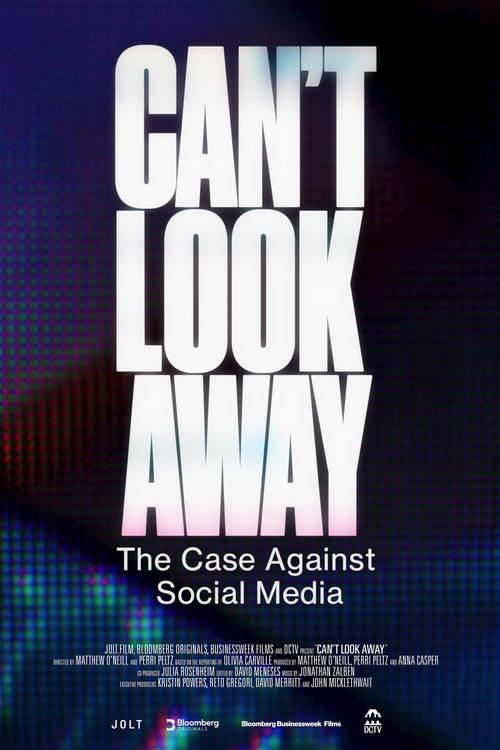
Can't Look Away: The Case Against Social Media - Review
Can't Look Away: A Harrowing Gaze into the Abyss of Social Media
In the digital age, social media has become an omnipresent force, shaping our interactions, influencing our perceptions, and, increasingly, dictating the very fabric of our lives. While proponents tout its ability to connect and empower, the shadow cast by its darker side grows ever longer. Matthew O'Neill and Perri Peltz’s documentary, Can't Look Away: The Case Against Social Media, released August 8th, 2025, doesn't just hint at this darkness; it plunges headfirst into the abyss, emerging with a chilling and deeply unsettling portrait of the real-world consequences of unchecked algorithmic power. Based on the investigative reporting of Bloomberg News' Olivia Carville, the film is a potent and necessary examination of the fight to hold tech giants accountable for the harm inflicted upon vulnerable young users. It's not just a documentary; it's a war cry, a desperate plea for reform, and a haunting reminder of the price we pay for our digital addiction.
Plot: A Legal Battle for Justice
Can't Look Away doesn't rely on sensationalism or hyperbole; its power lies in its stark realism. The film meticulously chronicles the legal battles waged by the Social Media Victims Law Center (SMVLC) on behalf of families who have suffered unimaginable losses. These families, whose children tragically succumbed to the pressures and pitfalls of platforms like Instagram, TikTok, and Snapchat, are not abstract statistics; they are real people grappling with unspeakable grief. The documentary follows their journeys as they navigate the complex and often frustrating legal system, facing off against armies of lawyers and the seemingly impenetrable walls of tech corporations. The narrative structure is compelling, interweaving the personal stories of the victims with the broader legal and technological context. We see the meticulous preparation of the SMVLC lawyers, the emotional toll the cases take on them, and the sheer David-and-Goliath nature of their fight. The film doesn't shy away from the legal complexities, explaining the legal strategies employed and the challenges faced in proving causation between social media use and the devastating outcomes. The pacing is deliberate, allowing viewers to fully absorb the gravity of each individual story and the systemic issues at play.
Characters: Faces of Grief and Determination
The true strength of Can't Look Away lies in its focus on the human element. The film is populated by individuals who are not just subjects of a documentary, but fully realized characters whose pain and resilience resonate deeply. The families at the center of the narrative are the heart and soul of the film. We see their raw grief, their unwavering determination to seek justice, and their profound love for the children they lost. Their stories are told with sensitivity and respect, allowing viewers to connect with them on a deeply emotional level. The lawyers at the SMVLC are also portrayed as complex individuals, driven by a genuine desire to help these families and hold tech companies accountable. They are not presented as infallible heroes, but as dedicated professionals who are deeply affected by the cases they handle. The film also includes interviews with experts in the fields of psychology, technology, and law, providing valuable insights into the underlying mechanisms of social media addiction and the legal challenges of regulating these powerful platforms. While the tech executives themselves are largely absent (understandably so), their absence speaks volumes about the industry's reluctance to engage with the very real consequences of their products.
Direction and Cinematography: A Somber and Intimate Approach
O'Neill and Peltz demonstrate a masterful understanding of documentary filmmaking, employing a restrained and respectful approach that allows the stories to speak for themselves. The direction is unobtrusive, avoiding sensationalism and instead focusing on capturing the raw emotions and the quiet moments of grief and resilience. The cinematography is equally effective, utilizing a somber color palette and intimate camera angles to create a sense of intimacy and connection with the subjects. The film avoids overly stylized visuals, opting instead for a more naturalistic approach that enhances the authenticity of the narrative. The use of archival footage, including social media posts and news reports, further underscores the reality of the situation. The editing is seamless, weaving together the various storylines and perspectives into a cohesive and compelling narrative. The film's pacing is deliberate, allowing viewers to fully absorb the emotional weight of each story and the complexity of the legal issues involved. The directors wisely choose to focus on the human element, allowing the families' stories to drive the narrative and avoiding overly technical or theoretical explanations.
Performances: Authenticity and Emotional Resonance
As a documentary, Can't Look Away doesn't feature traditional "performances" in the sense of actors playing roles. However, the individuals featured in the film deliver incredibly powerful and authentic portrayals of their own experiences. The families, in particular, are remarkably brave and vulnerable in sharing their stories, allowing viewers to witness their grief, their anger, and their unwavering determination to seek justice. Their honesty and emotional resonance are the driving force behind the film's impact. The lawyers at the SMVLC also deliver compelling "performances" in the sense that they are effectively communicating complex legal arguments and passionately advocating for their clients. Their dedication and empathy are palpable, making them relatable and sympathetic figures. The experts interviewed in the film also contribute valuable insights, presenting their knowledge in a clear and accessible manner. Their expertise adds credibility and depth to the narrative, helping viewers to understand the broader context of the issues at hand. Ultimately, the "performances" in Can't Look Away are defined by their authenticity and emotional resonance, making the film a deeply moving and impactful experience.
Themes and Messages: Addiction, Negligence, and the Fight for Reform
Can't Look Away explores a multitude of complex and interconnected themes. At its core, the film is a powerful indictment of the addictive nature of social media and the devastating impact it can have on young minds. It highlights the ways in which algorithms are designed to exploit vulnerabilities, keeping users hooked and exposing them to harmful content. The film also raises serious questions about the negligence of tech companies in failing to adequately protect their users from harm. It argues that these companies have a moral and legal responsibility to ensure the safety of their platforms, and that they should be held accountable for the damage they cause. Beyond the specific legal cases, the film delivers a broader message about the need for industry reform and government regulation. It calls for greater transparency in algorithmic design, stricter content moderation policies, and more robust protections for young users. The film also emphasizes the importance of media literacy and parental involvement in helping children navigate the complex world of social media. Can't Look Away is ultimately a call to action, urging viewers to become more aware of the dangers of social media and to advocate for change.
Comparison to Similar Films and Previous Works
Can't Look Away stands alongside other documentaries that have tackled the dark side of technology, such as The Social Dilemma (2020) and Terms and Conditions May Apply (2013). However, unlike The Social Dilemma, which focuses more on the broader societal implications of social media, Can't Look Away grounds its argument in the specific legal battles and personal tragedies of the families involved. This approach makes the film more emotionally resonant and impactful. Terms and Conditions May Apply offers a broader critique of online privacy and data collection, while Can't Look Away hones in on the specific harms caused by social media addiction and negligence. O'Neill and Peltz have a strong track record of producing compelling and socially conscious documentaries, including Baghdad ER (2006) and A Dangerous Son (2018). Their previous work often focuses on the human cost of conflict and tragedy, and Can't Look Away continues this trend by exploring the devastating impact of social media on vulnerable individuals. The film shares thematic similarities with A Dangerous Son, which examines the challenges faced by families raising children with mental health issues. Both films highlight the importance of early intervention and the need for greater awareness and understanding of complex social problems.
Positive Aspects: A Powerful and Necessary Expose
Can't Look Away is a powerful and necessary expose of the dark side of social media. Its greatest strength lies in its ability to humanize the victims and their families, allowing viewers to connect with their stories on a deeply emotional level. The film is meticulously researched and expertly crafted, presenting a compelling and persuasive case for industry reform and government regulation. The direction is restrained and respectful, avoiding sensationalism and instead focusing on capturing the raw emotions and the quiet moments of grief and resilience. The cinematography is equally effective, utilizing a somber color palette and intimate camera angles to create a sense of intimacy and connection with the subjects. The editing is seamless, weaving together the various storylines and perspectives into a cohesive and compelling narrative. The inclusion of expert interviews adds credibility and depth to the narrative, helping viewers to understand the broader context of the issues at hand. Ultimately, Can't Look Away is a wake-up call about the dangers of social media and a call to action to protect future generations.
Constructive Criticism: A Few Missed Opportunities
While Can't Look Away is a powerful and impactful documentary, there are a few areas where it could have been even stronger. One minor criticism is that the film could have delved deeper into the specific algorithms and design features that make social media so addictive. While the film touches on this issue, it could have benefited from a more detailed explanation of the underlying mechanisms. Another potential area for improvement is the inclusion of counter-arguments from the tech companies themselves. While their absence is understandable, the film could have presented a more balanced perspective by including excerpts from their public statements or interviews with their representatives. Finally, the film could have explored potential solutions in more detail. While it calls for industry reform and government regulation, it could have offered more specific recommendations for how these changes could be implemented. These are minor criticisms, however, and do not detract from the overall impact of the film.
Conclusion: A Must-See Documentary for the Digital Age
Can't Look Away: The Case Against Social Media is not just a documentary; it's a vital public service. It's a harrowing, heartbreaking, and ultimately hopeful film that demands our attention. By giving voice to the victims and their families, O'Neill and Peltz have created a powerful and persuasive case for holding tech companies accountable for the harm they cause. This is a must-see for parents, educators, policymakers, and anyone who uses social media – which, let's face it, is just about everyone. It's a film that will stay with you long after the credits roll, prompting you to reconsider your own relationship with social media and to advocate for a safer and more responsible digital world.