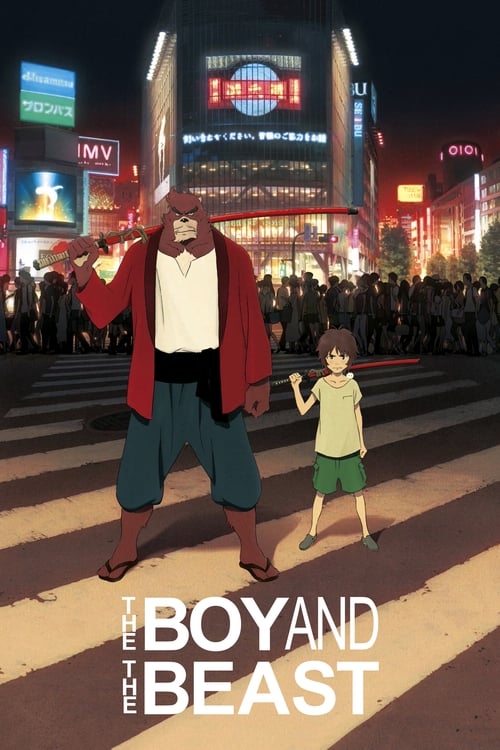
The Boy and the Beast - Review
"The Boy and the Beast": A Masterful Tale of Growth, Family, and Finding Your Path
Mamoru Hosoda, the visionary director behind acclaimed animated films like "Wolf Children" and "Mirai," once again delivers a cinematic triumph with "The Boy and the Beast" (Bakemono no Ko). Released in 2015, this action-adventure fantasy weaves a captivating narrative of an orphaned boy, Kyuta, and a boorish beast, Kumatetsu, forging an unlikely bond that transcends worlds and definitions of family. More than just a visually stunning spectacle, the film delves into profound themes of mentorship, self-discovery, and the enduring power of human connection. Prepare to be swept away by this heartwarming and exhilarating journey that resonates long after the credits roll.
Plot Summary: A Bridge Between Two Worlds
The story begins in the bustling streets of Shibuya, Tokyo, where nine-year-old Ren, now called Kyuta by Kumatetsu, runs away from his legal guardians after the tragic death of his mother. Distraught and feeling lost, he wanders aimlessly, his heart filled with anger and resentment. He stumbles upon an entrance to Jutengai, a hidden world populated by anthropomorphic beasts. Drawn by curiosity and a sense of belonging he lacks in the human world, Kyuta crosses the threshold and finds himself lost in this strange, vibrant realm.
In Jutengai, Kyuta encounters Kumatetsu, a formidable but perpetually grumpy and undisciplined bear-like beast vying to become the next Lord of Jutengai. Despite his strength, Kumatetsu lacks a disciple, a crucial requirement for the Lordship competition. In a twist of fate, he grudgingly takes Kyuta under his wing, giving him the name "Kyuta." Their initial interactions are fraught with conflict. Kumatetsu is a terrible teacher, impatient and easily frustrated, while Kyuta is stubborn and resistant to his unconventional methods. However, through their constant sparring and shared experiences, a unique bond begins to form. Kyuta, initially seeking only survival, starts to learn from Kumatetsu’s raw power and unwavering spirit. Kumatetsu, in turn, finds a purpose in guiding Kyuta, slowly shedding his gruff exterior and embracing a paternal role.
As Kyuta grows into a young man, he begins to question his place in Jutengai. He yearns for the human world he left behind and starts secretly venturing back to Shibuya, where he meets Kaede, a kind and intelligent student who encourages him to pursue his education and reconnect with his past. Torn between his loyalty to Kumatetsu and his desire to integrate into human society, Kyuta faces a difficult decision. Meanwhile, the competition for the Lordship intensifies, and a growing darkness threatens both Jutengai and the human world. This darkness manifests as a void within the hearts of certain individuals, a destructive force that can consume everything in its path. Ultimately, Kyuta and Kumatetsu must confront this darkness together, not only to protect their respective worlds but also to solidify the bond that has transformed them both.
Character Analysis: From Lost Souls to Found Family
Kyuta/Ren
Kyuta's journey is the heart and soul of the film. He begins as a deeply wounded and angry child, hardened by loss and abandonment. His initial aggression and distrust are understandable given his circumstances. However, under Kumatetsu's rough tutelage, he learns discipline, resilience, and compassion. He embodies the theme of nurture over nature, demonstrating that even with a difficult start, a child can thrive with the right guidance and support. His internal conflict between his two worlds adds depth to his character, portraying the universal struggle of finding one's identity and belonging. His decision to return to the human world is not a rejection of Kumatetsu but a testament to his growth and the desire to utilize his newfound strength and knowledge in a meaningful way.
Kumatetsu
Kumatetsu is a complex and endearing character, despite his initial abrasive personality. He is a powerful warrior but lacks the discipline and wisdom expected of a potential Lord. His gruff exterior masks a deep-seated loneliness and insecurity. He sees a reflection of himself in Kyuta's rebellious spirit and takes him on as a disciple, not out of altruism but out of a desperate need for connection and purpose. As he trains Kyuta, he undergoes his own transformation, learning patience, selflessness, and the true meaning of mentorship. His ultimate sacrifice for Kyuta demonstrates the profound love and devotion he has developed for his adopted son, solidifying his status as a true father figure.
Kaede
Kaede serves as a grounding force in Kyuta's life, providing him with the emotional support and intellectual stimulation he needs to navigate the complexities of the human world. She is kind, intelligent, and unwavering in her belief in Kyuta's potential. She encourages him to embrace his education and reconnect with his past, helping him to find a balance between his two identities. While her role is primarily supportive, she is a crucial catalyst for Kyuta's personal growth.
The Lord
The Lord of Jutengai represents wisdom, compassion, and the importance of maintaining balance between the physical and spiritual realms. He recognizes the potential in both Kyuta and Kumatetsu and guides them on their respective journeys. His decision to retire and allow Kumatetsu to compete for the Lordship reflects his belief in the power of change and the importance of embracing new perspectives.
Ichirohiko
Ichirohiko serves as a foil to Kyuta, representing the dangers of unchecked ambition and the corrupting influence of darkness. His internal void, born from a traumatic past and a lack of genuine connection, makes him vulnerable to the destructive forces that threaten both worlds. His story serves as a cautionary tale about the importance of emotional well-being and the need for love and acceptance.
Direction and Cinematography: A Visual Masterpiece
Mamoru Hosoda's direction is masterful, seamlessly blending action, humor, and heartfelt emotion. He creates a believable and immersive world, both in the bustling streets of Shibuya and the fantastical realm of Jutengai. The pacing is excellent, allowing the story to unfold naturally and organically, building tension and emotional resonance throughout. The action sequences are dynamic and visually stunning, showcasing the raw power and agility of the beast characters. However, it's the quieter, more intimate moments between Kyuta and Kumatetsu that truly shine, highlighting the depth of their evolving relationship.
The cinematography is breathtaking, employing vibrant colors, dynamic camera angles, and meticulous attention to detail. The animation style is fluid and expressive, bringing the characters to life with remarkable realism and emotion. The contrasting visual styles of Shibuya and Jutengai effectively highlight the differences between the two worlds. Shibuya is depicted as a bustling, modern city, while Jutengai is a more traditional and fantastical realm, filled with unique architecture and vibrant flora and fauna. The use of light and shadow is particularly effective in creating atmosphere and enhancing the emotional impact of key scenes. The overall visual presentation is a testament to the artistry and skill of the animation team.
Performances: Bringing the Characters to Life
The voice acting in "The Boy and the Beast" is exceptional, with each actor delivering a nuanced and believable performance. Kōji Yakusho as Kumatetsu perfectly captures the character's gruff exterior and hidden vulnerability. Shōta Sometani and Aoi Miyazaki, who voice Kyuta as a teenager and a child respectively, effectively portray his emotional journey from anger and resentment to resilience and compassion. Suzu Hirose as Kaede brings a sense of warmth and intelligence to her role, making her a relatable and sympathetic character. The supporting cast is equally strong, adding depth and richness to the overall ensemble.
Themes and Messages: The Heart of the Story
Several profound themes resonate throughout "The Boy and the Beast":
- The Power of Mentorship: The film explores the transformative power of mentorship, demonstrating how a strong and supportive relationship can help individuals overcome challenges and reach their full potential. Kumatetsu, despite his flaws, provides Kyuta with the guidance and discipline he needs to grow into a confident and compassionate young man.
- The Meaning of Family: "The Boy and the Beast" challenges traditional notions of family, suggesting that family is not defined by blood but by love, loyalty, and shared experiences. Kyuta and Kumatetsu, despite their differences, form a bond that is stronger than any biological connection.
- Finding Your Identity: Kyuta's journey is a quest for self-discovery, as he grapples with his identity and his place in the world. He learns to embrace both his human and beastly sides, ultimately finding a balance that allows him to thrive.
- Overcoming Darkness: The film explores the theme of inner darkness and the importance of confronting and overcoming it. Ichirohiko's story serves as a cautionary tale about the dangers of unchecked negativity and the need for love and acceptance.
- The Importance of Education: Kaede's influence on Kyuta highlights the importance of education and intellectual growth. She encourages him to pursue his studies and reconnect with his past, helping him to broaden his horizons and develop his potential.
Comparison to Other Works: Hosoda's Signature Style
"The Boy and the Beast" shares several thematic similarities with Mamoru Hosoda's previous works, particularly "Wolf Children." Both films explore the challenges of raising children in unconventional circumstances and the importance of accepting their unique identities. Like "Wolf Children," "The Boy and the Beast" seamlessly blends elements of fantasy and realism, creating a world that feels both magical and grounded in reality. Hosoda's signature visual style, characterized by vibrant colors, dynamic animation, and meticulous attention to detail, is also evident in this film. However, "The Boy and the Beast" distinguishes itself with its focus on male mentorship and the exploration of martial arts traditions. While "Wolf Children" centered on the maternal experience, "The Boy and the Beast" delves into the complexities of father-son relationships and the challenges of transmitting knowledge and skills across generations.
Positive Aspects: A Triumph of Storytelling and Animation
- Compelling Narrative: The story is engaging, emotionally resonant, and beautifully paced, keeping viewers invested from beginning to end.
- Well-Developed Characters: The characters are complex, relatable, and undergo significant growth throughout the film.
- Stunning Visuals: The animation is breathtaking, with vibrant colors, dynamic action sequences, and meticulous attention to detail.
- Exceptional Voice Acting: The voice performances are nuanced and believable, bringing the characters to life with remarkable emotion.
- Profound Themes: The film explores universal themes of family, identity, and the importance of human connection.
- Seamless Blend of Genres: The film seamlessly blends elements of action, adventure, fantasy, and drama, creating a unique and satisfying cinematic experience.
Constructive Criticism: Minor Imperfections
- Pacing Issues in the Middle: While the overall pacing is excellent, there are moments in the middle of the film where the narrative feels slightly rushed, particularly regarding Kyuta's transition between Jutengai and the human world.
- Kaede's Underdevelopment: While Kaede is a likable and supportive character, her own personal story is somewhat underdeveloped. Exploring her motivations and background in more detail would have added greater depth to her role.
- The Villain's Motivation: While Ichirohiko's backstory is tragic, his descent into darkness feels somewhat abrupt. A more nuanced exploration of his internal struggles would have made his character more compelling.
Conclusion: A Must-See Animated Masterpiece
"The Boy and the Beast" is a truly remarkable film that seamlessly blends action, adventure, and heartfelt emotion. Mamoru Hosoda has crafted a compelling narrative that explores profound themes of family, identity, and the importance of human connection. The animation is breathtaking, the voice acting is exceptional, and the characters are deeply relatable. Despite minor pacing issues and some underdeveloped supporting characters, "The Boy and the Beast" is a must-see animated masterpiece that will stay with you long after the credits roll. It's a testament to the power of storytelling and the enduring appeal of animated cinema.