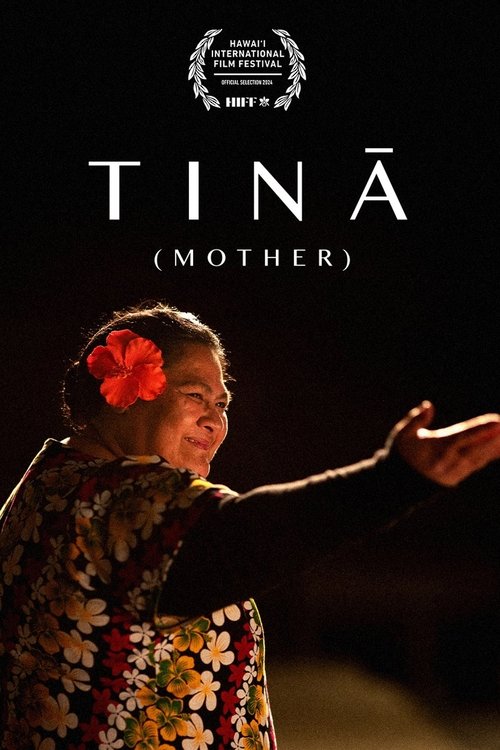
Tinā - Review
Tinā: A Symphony of Resilience and Hope in Post-Earthquake Christchurch
In the ever-expanding landscape of feel-good dramas, it's rare to find a film that resonates with genuine authenticity and emotional depth. Tinā, directed by newcomer Auli'i Meredith, manages to do just that. Released on February 27, 2025, this heartwarming tale of a Samoan mother leading a youth choir in post-earthquake Christchurch is more than just a feel-good story; it's a testament to the enduring power of community, music, and the human spirit in the face of adversity. Tinā is a vibrant cinematic tapestry woven with threads of humor, heartache, and hope, leaving audiences with a lingering sense of warmth and inspiration.
Plot: Finding Harmony in the Rubble
Tinā opens in the stark reality of Christchurch, years after the devastating earthquakes. The city is scarred, both physically and emotionally. Mareta, played with captivating charisma by newcomer Fa'afetai Iosefa, is a force of nature – a Samoan mother juggling multiple jobs to make ends meet while raising her teenage son, Sione. Mareta's life takes an unexpected turn when she reluctantly agrees to mentor a fledgling youth choir at the local community center. The choir, a ragtag group of teenagers from diverse backgrounds, is far from harmonious. They lack discipline, passion, and, most importantly, a sense of purpose.
The film follows Mareta's journey as she transforms this group of disparate individuals into a cohesive unit, both musically and personally. She uses her infectious energy, humor, and unwavering belief in their potential to break down their barriers and unlock their hidden talents. The road to the finale of The Big Sing competition is fraught with challenges. The choir members grapple with personal issues, including family problems, financial struggles, and the lingering trauma of the earthquake. Mareta herself faces her own demons, including a strained relationship with her son and the weight of her responsibilities.
The plot isn't groundbreaking in its structure, adhering to the familiar underdog narrative. However, it's the nuanced character development and the authentic portrayal of the community that elevate the story. The earthquake isn't just a backdrop; it's a constant presence, shaping the characters' lives and influencing their decisions. The film skillfully weaves together the personal stories of the choir members with the broader narrative of resilience and recovery in Christchurch.
Characters: A Chorus of Authentic Voices
The strength of Tinā lies in its well-developed and relatable characters. Mareta is the heart and soul of the film. Fa'afetai Iosefa delivers a powerhouse performance, portraying Mareta with a perfect blend of strength, vulnerability, and humor. Mareta is not a saint; she's flawed, makes mistakes, and struggles with her own insecurities. But her unwavering love for her son and her dedication to the choir make her a deeply compelling and inspiring character.
The choir members are equally well-drawn. Each character has their own unique backstory and personality. There's Sione, Mareta's rebellious son, struggling to find his place in the world. There's Emily, a shy and introverted girl who finds her voice through singing. There's David, a talented but troubled young man battling addiction. The film avoids stereotypes and presents each character with empathy and understanding. Their individual struggles and triumphs contribute to the overall theme of hope and resilience.
The supporting characters, including the choir's eccentric piano accompanist, Mr. Thompson, and Mareta's supportive best friend, Ana, add further depth and color to the narrative. Mr. Thompson, played with delightful quirkiness by veteran actor David Fane, provides comic relief while also serving as a mentor figure to the choir members. Ana, portrayed by rising star Maia Beck, is a constant source of support and encouragement for Mareta, offering a much-needed counterpoint to her often chaotic life.
Direction: Auli'i Meredith's Confident Debut
Auli'i Meredith's directorial debut is remarkably assured. She demonstrates a keen eye for detail and a deep understanding of her characters. Meredith masterfully balances the comedic and dramatic elements of the story, creating a film that is both entertaining and emotionally resonant. Her direction is subtle and understated, allowing the performances to shine through. She avoids excessive sentimentality and instead focuses on portraying the characters' experiences with honesty and authenticity.
Meredith's use of location is particularly effective. The film showcases the beauty and resilience of Christchurch, highlighting both the scars of the earthquake and the signs of renewal. The community center, where the choir practices, becomes a symbol of hope and unity, a place where people from different backgrounds can come together and find common ground.
While Meredith's direction is generally strong, there are a few moments where the pacing feels slightly uneven. Some scenes could have been trimmed to maintain a more consistent flow. However, these minor flaws are easily forgiven given the overall quality of the film.
Cinematography: Painting a Picture of Resilience
The cinematography in Tinā is visually stunning, capturing the beauty and grit of Christchurch with equal measure. Cinematographer James Cowley uses a muted color palette to reflect the city's somber mood, but also incorporates vibrant pops of color to represent the hope and energy of the choir. The film is filled with breathtaking shots of the Christchurch landscape, showcasing the city's natural beauty and the architectural remnants of the earthquake.
Cowley's use of lighting is particularly effective, creating a sense of intimacy and warmth in the indoor scenes. The choir practices are bathed in soft, golden light, creating a sense of camaraderie and connection. The outdoor scenes are often shot during the golden hour, capturing the beauty of the New Zealand landscape.
The camera work is fluid and dynamic, allowing the audience to feel immersed in the characters' experiences. Close-up shots are used sparingly but effectively, highlighting the characters' emotions and vulnerabilities. The film's visual style is both beautiful and evocative, enhancing the emotional impact of the story.
Performances: A Harmonious Ensemble
The performances in Tinā are uniformly excellent. Fa'afetai Iosefa delivers a breakout performance as Mareta, commanding the screen with her charisma and emotional depth. Her portrayal of a strong, independent woman struggling to balance her responsibilities is both inspiring and relatable. Iosefa's singing voice is also impressive, adding another layer to her already compelling performance.
The young actors who play the choir members are equally impressive. They bring a sense of authenticity and vulnerability to their roles, making the audience genuinely care about their characters' journeys. The chemistry between the actors is palpable, creating a believable sense of camaraderie and friendship.
David Fane and Maia Beck provide strong supporting performances, adding depth and humor to the narrative. Fane's portrayal of Mr. Thompson is both hilarious and heartwarming, while Beck's portrayal of Ana is a constant source of support and encouragement for Mareta.
Themes and Messages: A Song of Hope and Healing
Tinā explores several important themes, including resilience, community, hope, and the power of music. The film demonstrates how individuals and communities can overcome adversity by working together and supporting each other. The earthquake serves as a metaphor for the challenges that life throws our way, but the film ultimately emphasizes the importance of finding strength in the face of adversity.
The film also highlights the importance of community and belonging. The choir provides a safe and supportive environment for the teenagers, allowing them to connect with each other and find a sense of purpose. The film emphasizes the importance of creating inclusive and welcoming communities where everyone feels valued and respected.
Music plays a central role in the film, serving as a source of healing and inspiration. The choir members find solace and joy in singing, using their voices to express their emotions and connect with others. The film demonstrates the power of music to transcend cultural boundaries and bring people together.
Ultimately, Tinā is a film about hope. It's a reminder that even in the darkest of times, there is always reason to believe in a better future. The film's message is particularly relevant in today's world, where so many people are struggling with challenges and uncertainties.
Comparisons: Echoes of Sister Act and Whale Rider, Yet Uniquely Its Own
Tinā shares thematic similarities with films like Sister Act (1992) and Whale Rider (2002). Like Sister Act, it features a protagonist who uses music to transform a group of disparate individuals into a cohesive unit. Like Whale Rider, it celebrates Māori culture and traditions while exploring themes of resilience and cultural identity. However, Tinā distinguishes itself through its unique setting and its focus on the specific challenges faced by the Christchurch community in the aftermath of the earthquake.
Auli'i Meredith's direction also shares some stylistic similarities with Taika Waititi's work, particularly in its blend of humor and pathos. However, Meredith's approach is more subtle and understated, allowing the emotional weight of the story to resonate more deeply. While Waititi often employs broad comedy and quirky characters, Meredith focuses on portraying her characters with honesty and authenticity.
Unlike some of the more sanitized feel-good dramas, Tinā doesn't shy away from portraying the realities of poverty, addiction, and trauma. This willingness to grapple with difficult issues makes the film feel more grounded and relatable. While it ultimately offers a message of hope, it doesn't shy away from acknowledging the challenges that many people face in their daily lives.
Positive Aspects: A Resounding Success
Tinā is a triumph on many levels. The performances are outstanding, the direction is assured, and the cinematography is visually stunning. The film's themes of resilience, community, and hope are both timely and universal. The film's authentic portrayal of Samoan culture and the Christchurch community adds to its unique charm. The music is uplifting and inspiring, and the film's overall message is one of positivity and encouragement.
The film's greatest strength is its ability to connect with audiences on an emotional level. The characters are relatable, the story is engaging, and the themes are resonant. Tinā is a film that will stay with you long after the credits roll.
Constructive Criticism: Minor Chords in a Harmonious Composition
While Tinā is a generally excellent film, there are a few minor flaws that could have been improved. As mentioned earlier, the pacing is slightly uneven in places. Some scenes could have been trimmed to maintain a more consistent flow. The subplot involving Sione's rebellious behavior could have been explored in more depth. While the film touches on the issue of intergenerational trauma, it doesn't fully delve into the complexities of this issue.
Additionally, the film's ending, while satisfying, feels slightly rushed. The choir's performance at The Big Sing competition could have been more elaborate and visually stunning. A more extended epilogue, showing the characters' lives after the competition, would have added further closure to the story.
However, these criticisms are relatively minor and do not detract significantly from the overall quality of the film. Tinā is a well-crafted and emotionally resonant film that is sure to resonate with audiences of all ages and backgrounds.
Conclusion: A Standing Ovation for Tinā
Tinā is a heartwarming and inspiring film that celebrates the power of community, music, and the human spirit. Auli'i Meredith's directorial debut is a resounding success, showcasing her talent for storytelling and her deep understanding of her characters. The performances are outstanding, the cinematography is visually stunning, and the themes are both timely and universal. While there are a few minor flaws, they are easily forgiven given the overall quality of the film. Tinā is a must-see for anyone who enjoys feel-good dramas with a strong emotional core.
Rating: 9/10