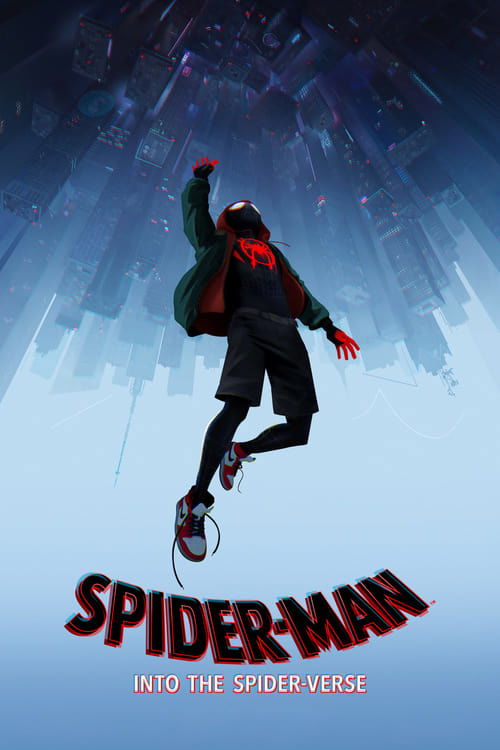
Spider-Man: Into the Spider-Verse - Review
Spider-Man: Into the Spider-Verse - A Spectacular Leap of Faith
Forget everything you think you know about superhero movies. "Spider-Man: Into the Spider-Verse" isn't just another origin story or a tired rehash of familiar tropes. It's a vibrant, groundbreaking, and utterly joyous explosion of creativity that redefines what animation and comic book adaptations can achieve. Released in 2018, this film swung into theaters and forever changed the landscape of superhero cinema, proving that the web of possibilities is far wider and more colorful than we ever imagined. From its revolutionary visual style to its heartfelt story and unforgettable characters, "Into the Spider-Verse" is a masterpiece that demands to be seen and celebrated.
Plot: A Web of Multiversal Mayhem
The film centers on Miles Morales, a bright but anxious teenager struggling to adjust to a prestigious boarding school in Brooklyn. He's caught between the expectations of his police officer father, Jefferson Davis, and the rebellious influence of his cool uncle, Aaron Davis (also known as the Prowler). One fateful night, while tagging abandoned subway tunnels with Aaron, Miles is bitten by a radioactive spider, granting him extraordinary abilities mirroring those of Spider-Man.
However, Miles's newfound powers come at a terrible cost. Just as he's grappling with understanding his abilities, he witnesses the death of the Peter Parker Spider-Man at the hands of the formidable Kingpin, Wilson Fisk. Fisk, driven by grief and a desire to reunite with his deceased wife and son, has built a super collider that tears open rifts in the multiverse. This catastrophic event brings together a team of Spider-People from different dimensions, each with their own unique powers, personalities, and problems.
Among these interdimensional heroes are Peter B. Parker, a jaded and washed-up version of Spider-Man; Gwen Stacy, aka Spider-Woman or Spider-Gwen, a cool and enigmatic drummer from another universe; Spider-Man Noir, a black-and-white, hard-boiled detective from the 1930s; Peni Parker, a young Japanese-American girl who pilots a bio-mechanical Spider-Suit called SP//dr; and Spider-Ham, a cartoon pig with spider powers. Together, this unlikely team must work together to stop Kingpin's plan and find a way back to their respective universes before the collider tears apart reality itself. Miles, meanwhile, must learn to master his powers and embrace his destiny as the new Spider-Man. The plot is intricate but never confusing, expertly weaving together multiple character arcs and a complex multiversal narrative into a cohesive and emotionally resonant story.
Characters: A Spectacular Ensemble
The strength of "Into the Spider-Verse" lies not only in its innovative visuals but also in its richly developed and relatable characters.
Miles Morales: The Relatable Hero
Miles is the heart and soul of the film. He's not just another cookie-cutter superhero; he's a complex and relatable character with his own struggles and insecurities. He embodies the feeling of being an outsider, trying to find his place in the world while grappling with immense responsibility. His journey from a reluctant teenager to a confident Spider-Man is both inspiring and believable. His artistic inclinations, his love for his family, and his inherent goodness make him a character that audiences can truly connect with.
Peter B. Parker: The Jaded Mentor
Peter B. Parker is a brilliant subversion of the traditional superhero mentor figure. He's a broken, cynical, and overweight version of Spider-Man, struggling with a failed marriage and a general sense of disillusionment. His initial reluctance to mentor Miles is understandable, but as he witnesses Miles's potential and determination, he rediscovers his own purpose and learns to believe in himself again. His sarcastic humor and world-weary attitude provide much of the film's comedic relief, while his underlying vulnerability adds emotional depth.
Gwen Stacy (Spider-Gwen): The Independent Spirit
Gwen Stacy is a strong and independent character with a tragic past. Her cool demeanor and drumming skills make her instantly appealing, but beneath the surface lies a deep sense of guilt and isolation stemming from the loss of her Peter Parker in her own universe. Her connection with Miles is complex and nuanced, offering moments of both camaraderie and unspoken longing.
The Supporting Cast: A Diverse and Memorable Group
The supporting characters, including Spider-Man Noir, Peni Parker, and Spider-Ham, each bring their own unique flavor to the ensemble. Spider-Man Noir's hard-boiled detective persona provides a stark contrast to the other characters, while Peni Parker's futuristic technology and youthful enthusiasm add a touch of anime-inspired flair. Spider-Ham, with his slapstick humor and cartoonish antics, is a constant source of laughter. Even the villains, like Kingpin and the Prowler, are given compelling motivations and backstories, making them more than just generic antagonists.
Direction: A Masterclass in Visual Storytelling
The direction by Bob Persichetti, Peter Ramsey, and Rodney Rothman is nothing short of groundbreaking. They seamlessly blend various animation styles, including traditional 2D animation, CGI, and comic book-inspired techniques, to create a visually stunning and utterly unique aesthetic. The film feels like a living, breathing comic book, with dynamic camera angles, expressive character animation, and innovative use of onomatopoeia and thought bubbles.
The directors also expertly balance the film's action-packed sequences with its more intimate and emotional moments. The action scenes are exhilarating and inventive, utilizing the characters' diverse powers in creative and visually arresting ways. The quieter moments, such as Miles's conversations with his father and his interactions with the other Spider-People, are handled with sensitivity and nuance, allowing the audience to connect with the characters on a deeper level.
Cinematography: A Visual Symphony
The cinematography of "Into the Spider-Verse" is a visual feast for the eyes. The film's unique aesthetic is achieved through a combination of innovative animation techniques, including:
- Line Work and Halftones: The animators incorporated visible line work and halftone patterns, mimicking the look of classic comic book printing.
- Frame Rate Variations: The film utilizes varying frame rates to create a sense of dynamism and energy, particularly during action sequences.
- Color Palette: The vibrant and saturated color palette adds to the film's overall visual impact, creating a sense of heightened reality.
- Dynamic Camera Angles: The use of unconventional camera angles and perspectives further enhances the film's comic book aesthetic.
The result is a visually stunning and immersive experience that feels unlike anything else in animated cinema. The film's cinematography is not just aesthetically pleasing; it also serves to enhance the storytelling, creating a sense of immersion and excitement that draws the audience into the world of "Into the Spider-Verse."
Performances: A Voice Cast of Champions
The voice acting in "Into the Spider-Verse" is exceptional across the board. Shameik Moore delivers a nuanced and heartfelt performance as Miles Morales, capturing the character's vulnerability, humor, and growing confidence. Jake Johnson is hilarious as Peter B. Parker, bringing a world-weary cynicism to the role while also conveying the character's underlying compassion. Hailee Steinfeld is perfectly cast as Gwen Stacy, delivering a cool and confident performance that belies the character's inner turmoil. The supporting cast, including Nicolas Cage as Spider-Man Noir, Kimiko Glenn as Peni Parker, and John Mulaney as Spider-Ham, all deliver memorable and entertaining performances. Liev Schreiber provides a menacing and surprisingly sympathetic portrayal of Kingpin, while Mahershala Ali brings gravitas and complexity to the role of Aaron Davis/The Prowler.
Themes and Messages: Beyond Great Power
"Into the Spider-Verse" is more than just a superhero spectacle; it's a film with profound themes and messages that resonate with audiences of all ages.
Embracing Individuality:
The film celebrates the idea that anyone can be a hero, regardless of their background, abilities, or appearance. Miles Morales is not just a replacement for Peter Parker; he's a unique Spider-Man with his own strengths and weaknesses. The film encourages viewers to embrace their individuality and to believe in their own potential.
The Importance of Family and Community:
Family and community play a crucial role in Miles's journey. His relationship with his parents, his uncle Aaron, and the other Spider-People provides him with the support and guidance he needs to overcome his challenges. The film emphasizes the importance of connection and belonging, reminding us that we are stronger together.
Taking a Leap of Faith:
The film's title is a direct reference to the central theme of taking a leap of faith. Miles must overcome his fears and insecurities in order to embrace his destiny as Spider-Man. The film encourages viewers to take risks, to step outside of their comfort zones, and to believe in themselves, even when faced with seemingly insurmountable obstacles.
The Burden of Responsibility:
While the film celebrates the power of being a hero, it also acknowledges the burden of responsibility that comes with it. Miles must learn to balance his personal life with his duties as Spider-Man, making difficult choices and sacrificing his own happiness for the greater good. The film reminds us that being a hero is not always easy, but it is always worth it.
Comparisons: A New Standard for Superhero Films
"Into the Spider-Verse" stands apart from other superhero films in several key ways. Unlike many live-action superhero movies that rely on CGI spectacle and familiar storylines, "Into the Spider-Verse" prioritizes character development, emotional resonance, and visual innovation. The film's unique animation style sets it apart from other animated superhero movies, such as those produced by Pixar or DreamWorks.
While previous Spider-Man films have focused on Peter Parker's journey, "Into the Spider-Verse" boldly introduces a new Spider-Man in Miles Morales, expanding the Spider-Verse and opening up new possibilities for storytelling. The film's willingness to experiment with different animation styles and narrative structures has set a new standard for superhero films, inspiring other filmmakers to take risks and push the boundaries of the genre.
Comparisons can also be drawn to films that explore multiversal concepts, such as "Everything Everywhere All at Once." While both films deal with the idea of alternate realities, "Into the Spider-Verse" focuses on the interconnectedness of these realities and the importance of teamwork, while "Everything Everywhere All at Once" explores themes of family, regret, and the search for meaning in a chaotic universe.
Positive Aspects: A Symphony of Success
- Visual Innovation: The film's unique animation style is a visual masterpiece, blending different techniques to create a truly unforgettable experience.
- Compelling Characters: The characters are richly developed and relatable, each with their own unique personalities and motivations.
- Heartfelt Story: The film's story is both action-packed and emotionally resonant, exploring themes of family, identity, and responsibility.
- Exceptional Voice Acting: The voice cast delivers outstanding performances, bringing the characters to life with nuance and humor.
- Groundbreaking Direction: The directors expertly balance the film's action sequences with its more intimate moments, creating a cohesive and engaging narrative.
Constructive Criticism: Minor Web-Snags
While "Into the Spider-Verse" is a near-perfect film, there are a few minor areas that could be improved.
- Pacing Issues: The film's first act can feel slightly rushed, as it crams a lot of information and character introductions into a relatively short amount of time.
- Overabundance of Characters: While the ensemble cast is one of the film's strengths, some of the supporting characters, such as Spider-Man Noir and Spider-Ham, could have been given more screen time and development.
- Predictable Plot Points: While the film's overall story is engaging, some of the plot points, such as the villain's motivations and the team's eventual triumph, are somewhat predictable.
However, these minor flaws are easily overshadowed by the film's many strengths, and they do not detract significantly from the overall viewing experience.
Conclusion: A Must-See Masterpiece
"Spider-Man: Into the Spider-Verse" is a triumph of animation, storytelling, and character development. It's a film that not only entertains but also inspires, reminding us that anyone can be a hero and that the possibilities are endless. With its groundbreaking visuals, compelling characters, and heartfelt story, "Into the Spider-Verse" has set a new standard for superhero films and has earned its place as a modern classic. It’s a film that deserves to be watched, re-watched, and celebrated for years to come.