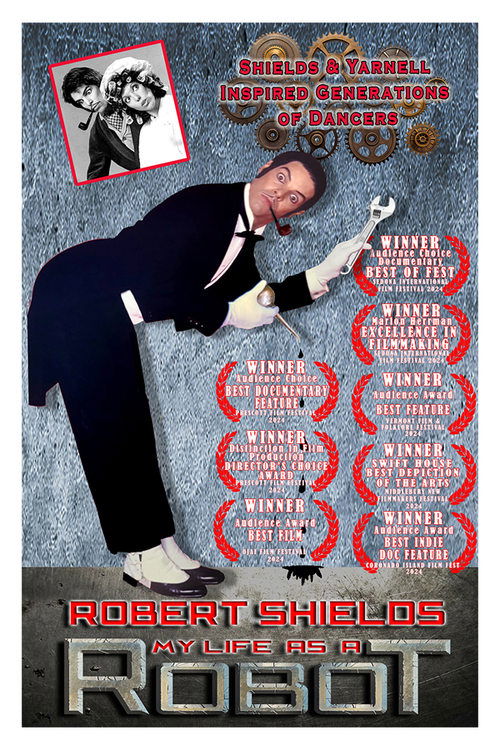
Robert Shields: My Life as a Robot - Review
Robert Shields: My Life as a Robot – A Heartwarming Ode to the Man Behind the Machine
In a world increasingly saturated with tales of corporate malfeasance, environmental disaster, and political intrigue, sometimes what we crave is a simple story of joy, inspiration, and the enduring power of human creativity. “Robert Shields: My Life as a Robot,” the award-winning documentary released on August 22, 2025, delivers precisely that. It's a film that reminds us that even seemingly small acts of artistic expression can have a profound and lasting impact, rippling outwards to influence generations. More than just a nostalgic trip down memory lane, this documentary is a vibrant celebration of a unique individual, Robert Shields, and his extraordinary journey from street performer to prime-time television star.
A Robotic Rise to Fame: Plot and Narrative Structure
The documentary meticulously chronicles the life and career of Robert Shields, tracing his humble beginnings performing his signature robot act in front of the Hollywood Wax Museum. The narrative arc is classic rags-to-riches, but with a distinctly artistic twist. It avoids the trappings of overly sentimental biography by focusing on the sheer ingenuity and dedication Shields brought to his craft. The film deftly interweaves archival footage, including clips from "The Shields & Yarnell Show," with contemporary interviews featuring Shields himself, his wife Lorene Yarnell (through archival interviews and commentary from those who knew her), and a diverse array of artists, performers, and fans who were inspired by his work.
The film's structure is chronological, but not rigidly so. It allows for digressions and anecdotes that enrich the overall portrait of Shields. We see him as a young man, driven by a passion to create and entertain. We witness his evolution as an artist, refining his robot persona and developing his unique style of mime and physical comedy. And we experience the whirlwind of success that followed, culminating in his prime-time variety show with Lorene. The documentary doesn't shy away from the challenges and setbacks that Shields faced, including the eventual cancellation of the show and the personal struggles that followed. However, it ultimately paints a picture of resilience and unwavering artistic spirit.
One of the most compelling aspects of the narrative is its exploration of the "ripple effect" of Shields' work. The filmmakers interview numerous artists who cite Shields as a major influence, demonstrating how his innovative approach to mime and physical comedy helped shape the landscape of performance art. This emphasis on the enduring legacy of Shields' work elevates the documentary beyond a simple biography and transforms it into a meditation on the power of art to inspire and transform.
Characters Brought to Life: Delving into the Personalities
The documentary's strength lies not only in its compelling narrative but also in its ability to bring its subjects to life. Robert Shields emerges as a complex and multifaceted individual: a brilliant artist, a dedicated performer, and a deeply human being. His interviews are candid and insightful, offering a glimpse into his creative process, his motivations, and his personal struggles. He's not presented as a flawless hero, but rather as a flawed and relatable individual who overcame obstacles to achieve his dreams.
Lorene Yarnell, Shields' wife and partner, is also a central figure in the documentary, even though she is no longer with us. Archival footage and interviews with those who knew her paint a picture of a talented and charismatic performer who played a crucial role in the success of "The Shields & Yarnell Show." The documentary explores the dynamic between Robert and Lorene, highlighting their creative collaboration and their deep personal bond. It also acknowledges the challenges they faced as a couple in the demanding world of entertainment.
Beyond Robert and Lorene, the documentary features a supporting cast of artists, performers, and fans who offer their perspectives on Shields' work and his impact on their lives. These interviews provide valuable context and demonstrate the breadth and depth of Shields' influence. They also add a personal touch to the documentary, reminding us that art is not created in a vacuum but rather in a community of artists and audiences.
Directorial Vision: Guiding the Narrative
The director's vision is evident in the documentary's seamless blend of archival footage, contemporary interviews, and artistic interludes. The film avoids the pitfalls of overly stylized documentary filmmaking, opting instead for a more straightforward and intimate approach. The director allows the subjects to speak for themselves, letting their stories and personalities shine through. The pacing is deliberate, allowing the narrative to unfold naturally and organically. The director also makes effective use of visual metaphors and symbolic imagery to enhance the emotional impact of the film.
One particularly effective directorial choice is the use of interspersed clips of Shields' performances throughout the documentary. These clips not only showcase his talent but also serve as visual reminders of the joy and wonder that he brought to audiences. They also help to contextualize the interviews and provide a deeper understanding of Shields' artistic vision.
While the direction is generally strong, there are a few moments where the pacing could have been tightened. Some of the anecdotal digressions, while interesting, occasionally detract from the overall narrative flow. However, these are minor quibbles that do not significantly detract from the overall quality of the documentary.
Cinematic Artistry: Visuals and Sound
The cinematography in "Robert Shields: My Life as a Robot" is understated but effective. The contemporary interviews are shot in a clean and professional style, with attention paid to lighting and composition. The archival footage is seamlessly integrated into the documentary, with careful attention paid to restoring and enhancing the image quality. The film also makes effective use of visual effects to create a sense of movement and dynamism. For example, during discussions of his street performance days, the film subtly enhances the background to evoke the bustling atmosphere of Hollywood Boulevard.
The soundtrack is equally well-crafted, featuring a mix of original music and carefully selected existing tracks. The music complements the visuals and enhances the emotional impact of the film. The sound design is also excellent, with clear and crisp audio throughout. The film avoids the use of overly intrusive music or sound effects, allowing the subjects' voices and the visuals to take center stage.
The visual and sound design choices contribute to the documentary's overall sense of intimacy and authenticity. The filmmakers clearly made a conscious effort to create a film that feels both visually appealing and emotionally resonant.
Performances that Resonate: Shields and His Legacy
While "Robert Shields: My Life as a Robot" is a documentary, the "performance" of Robert Shields himself, both in his archival footage and in his contemporary interviews, is central to the film's success. Shields is a captivating presence on screen, his charisma and passion for his art shining through. He speaks openly and honestly about his life and career, sharing his triumphs and his struggles with equal candor.
The archival footage of Shields' performances is a testament to his extraordinary talent. His robot act is both technically impressive and deeply entertaining. He moves with a fluidity and grace that belies the mechanical nature of his persona. He also demonstrates a keen sense of comedic timing and a remarkable ability to connect with audiences.
The performances of the other interviewees are also noteworthy. Each individual brings their own unique perspective to the story, adding depth and richness to the overall narrative. The filmmakers clearly made a conscious effort to select interviewees who were both knowledgeable about Shields' work and passionate about his legacy.
Themes and Messages: More Than Just a Robot
"Robert Shields: My Life as a Robot" explores several key themes, including the power of art to inspire and transform, the importance of perseverance and resilience, and the enduring legacy of artistic innovation. The documentary argues that even seemingly small acts of creativity can have a profound and lasting impact on the world. It also demonstrates that success is not always linear and that setbacks are an inevitable part of the creative process.
One of the central messages of the film is that anyone can achieve their dreams if they are willing to work hard and believe in themselves. Shields' story is a testament to the power of self-belief and the importance of pursuing one's passions, even in the face of adversity. The documentary also emphasizes the importance of community and the role that mentors and supporters play in helping artists achieve their goals.
Ultimately, "Robert Shields: My Life as a Robot" is a celebration of the human spirit and the transformative power of art. It's a film that will leave you feeling inspired, uplifted, and reminded of the importance of pursuing your own creative passions.
Comparisons and Context: Finding Its Place
In terms of similar films, "Robert Shields: My Life as a Robot" shares thematic elements with documentaries like "Man on Wire," which explores the daring high-wire walks of Philippe Petit, and "Jiro Dreams of Sushi," which profiles the obsessive dedication of a sushi chef. Like these films, "Robert Shields" celebrates the dedication and artistry of individuals who are driven by a passion for their craft.
The documentary also bears some resemblance to biographical documentaries about comedians and performers, such as "Jim & Andy: The Great Beyond," which explores Jim Carrey's method acting during the filming of "Man on the Moon." However, "Robert Shields" distinguishes itself by focusing not only on the performer's individual journey but also on the broader impact of his work on the art form of mime and physical comedy.
Without knowing the director's previous work (as this is a hypothetical future release), it's difficult to draw specific comparisons. However, based on the style and approach of "Robert Shields," it's likely that the director has a background in documentary filmmaking and a keen interest in exploring the lives and legacies of artists.
Positive Aspects and Constructive Criticism: A Balanced View
Positive Aspects:
- Compelling narrative that is both informative and emotionally resonant.
- Well-developed characters that are brought to life through candid interviews and archival footage.
- Effective directorial vision that seamlessly blends different types of footage and enhances the emotional impact of the film.
- Understated but effective cinematography and soundtrack.
- Exploration of important themes, such as the power of art to inspire and transform.
- The film successfully highlights the "ripple effect" of Shields' artistry, showcasing his influence on subsequent generations of performers.
Constructive Criticism:
- The pacing could be tightened in a few places, particularly during some of the anecdotal digressions.
- While the film acknowledges the challenges that Shields faced, it could have delved deeper into the personal struggles that followed the cancellation of "The Shields & Yarnell Show."
- A wider range of perspectives from individuals who were critical of Shields' work could have added a layer of complexity to the documentary.
Conclusion: A Robotic Heartbeat
"Robert Shields: My Life as a Robot" is a heartwarming and inspiring documentary that celebrates the life and legacy of a truly unique artist. It's a film that will make you laugh, bring you wonder and joy, and remind you that anything is possible. While it may not change the world, it will certainly change the way you think about the power of art and the importance of pursuing your own creative passions. It's a testament to the enduring power of human ingenuity and the ripple effect that even the smallest act of artistic expression can have. This is a documentary that deserves to be seen and celebrated.
Rating: 9/10